Courtesy:FDA
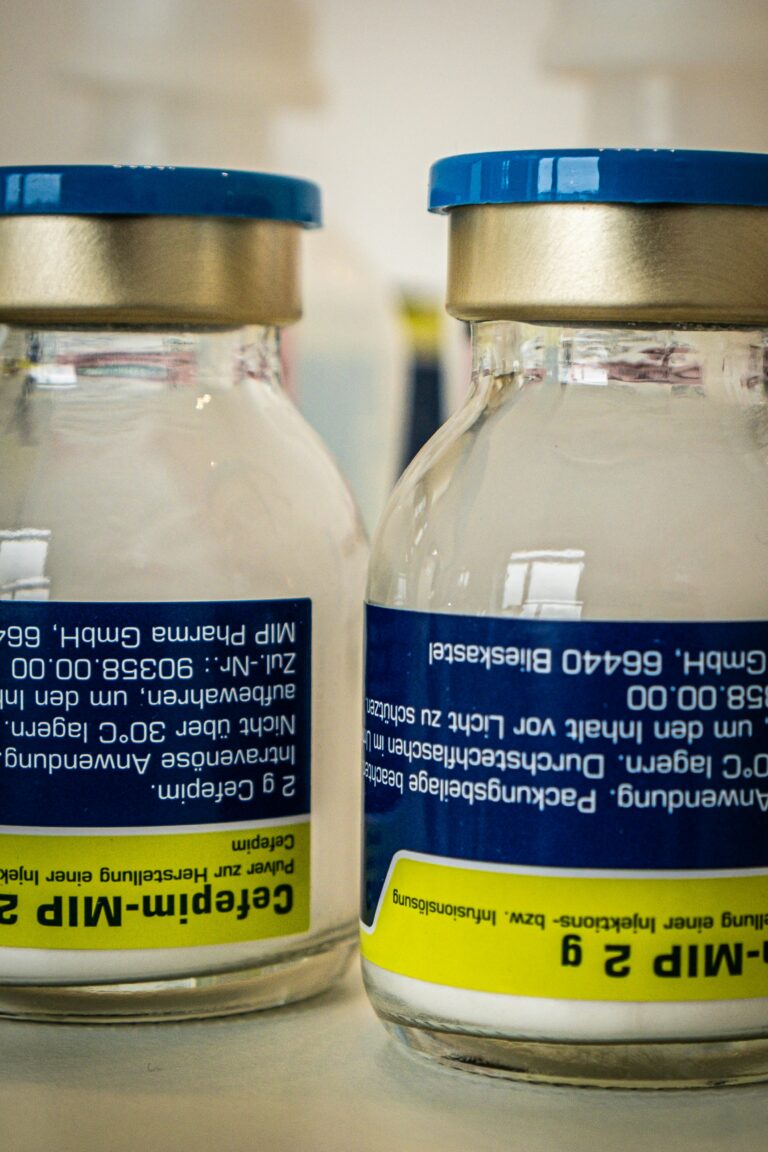
The prescription eye drops recalled FDA announcement involves a significant volume of products distributed across the United States. The US Food and Drug Administration recalled 2,530,182 bottles of prednisolone acetate ophthalmic suspension USP 1%. Doctors prescribe this steroid eye drop to treat eye inflammation. The recall carries number D-0655-2026 and includes three bottle sizes with multiple NDC codes. The FDA classified the action as a Class II recall. This classification means the contaminated drops could cause temporary or medically reversible health problems. As a result, the agency urged patients using the affected products to stop using them immediately.
The recall includes three product configurations. They include 5 mL bottles with NDC code 70748-332-02, 10 mL bottles with NDC code 70748-332-03, and 15 mL bottles with NDC code 70748-332-04. Lupin Limited manufactured all three sizes at its Pithampur facility in Madhya Pradesh, India. The FDA enforcement report also lists the affected lot numbers. Patients and healthcare providers can use that information to identify recalled products. Checking the NDC code on the bottle label remains the fastest way to confirm whether a bottle is part of the recall.
What the contamination concern means for patients
The FDA identified a potential foreign substance in the affected eye drops. The agency has not publicly disclosed the nature of the contaminant. However, the Class II designation explains the level of risk. The FDA assigns this classification to products that may cause temporary or medically reversible health problems. The agency also states that the chance of serious or life-threatening harm remains low. Although the risk is significant enough to justify a nationwide recall, the FDA does not consider the product an immediate severe danger.
Patients using the recalled eye drops should stop using them immediately. They should contact their healthcare provider or eye care specialist for further advice. Healthcare providers should review their records to identify patients who received the affected lots. Pharmacies should also remove any remaining stock and follow FDA recall procedures. These steps help protect patients throughout the supply chain.
Doctors commonly prescribe prednisolone acetate ophthalmic suspension 1% after eye surgery. They also use it to treat uveitis and other inflammatory eye conditions. Patients who rely on this medication should obtain a replacement as soon as possible. Doing so helps prevent interruptions in treatment. Physicians should evaluate each patient’s condition before recommending an alternative. The recall affects more than product availability because it also impacts ongoing patient care.
What Lupin Limited makes and why this matters
Lupin Limited ranks among India’s largest pharmaceutical companies. The company supplies a wide range of generic medicines to the US market. It operates manufacturing facilities throughout India and exports products to more than 100 countries. Its ophthalmic portfolio includes several prescription eye drops sold in US pharmacies. The Pithampur facility produced the recalled eye drops under FDA oversight. The agency routinely inspects foreign manufacturers that supply medicines to the United States. This recall highlights both a product safety issue and a manufacturing quality concern.
The FDA issues Class II recalls more often than any other type of drug recall. These recalls remove products from the market because of quality concerns. However, the agency does not consider the products an imminent threat to life. The phrase foreign substance suggests contamination occurred during manufacturing instead of a labeling or formulation error. The recall affects more than 2.5 million bottles, which points to a broader production issue rather than a single defective batch. Lupin Limited will likely need time to identify the root cause and complete corrective actions.
What patients and doctors should do right now
The FDA enforcement report lists every lot number included in the recall. Patients and healthcare providers can compare those numbers with the NDC codes listed above. They should confirm whether their bottles appear on the recall list before discarding them. Keeping the bottle also helps regulators track affected products more accurately.
Patients who notice unusual symptoms after using the recalled eye drops should contact their healthcare provider immediately. They should also report adverse events through the FDA’s MedWatch program. These reports help the agency monitor the recall’s real-world impact. Patients who need continued treatment should speak with their prescribing physician or ophthalmologist about alternative medications. The safest approach involves stopping the recalled product, verifying the lot number, seeking medical advice, and reporting any side effects.
Source: Ophthalmology Times / Lynda Charters
About the Author