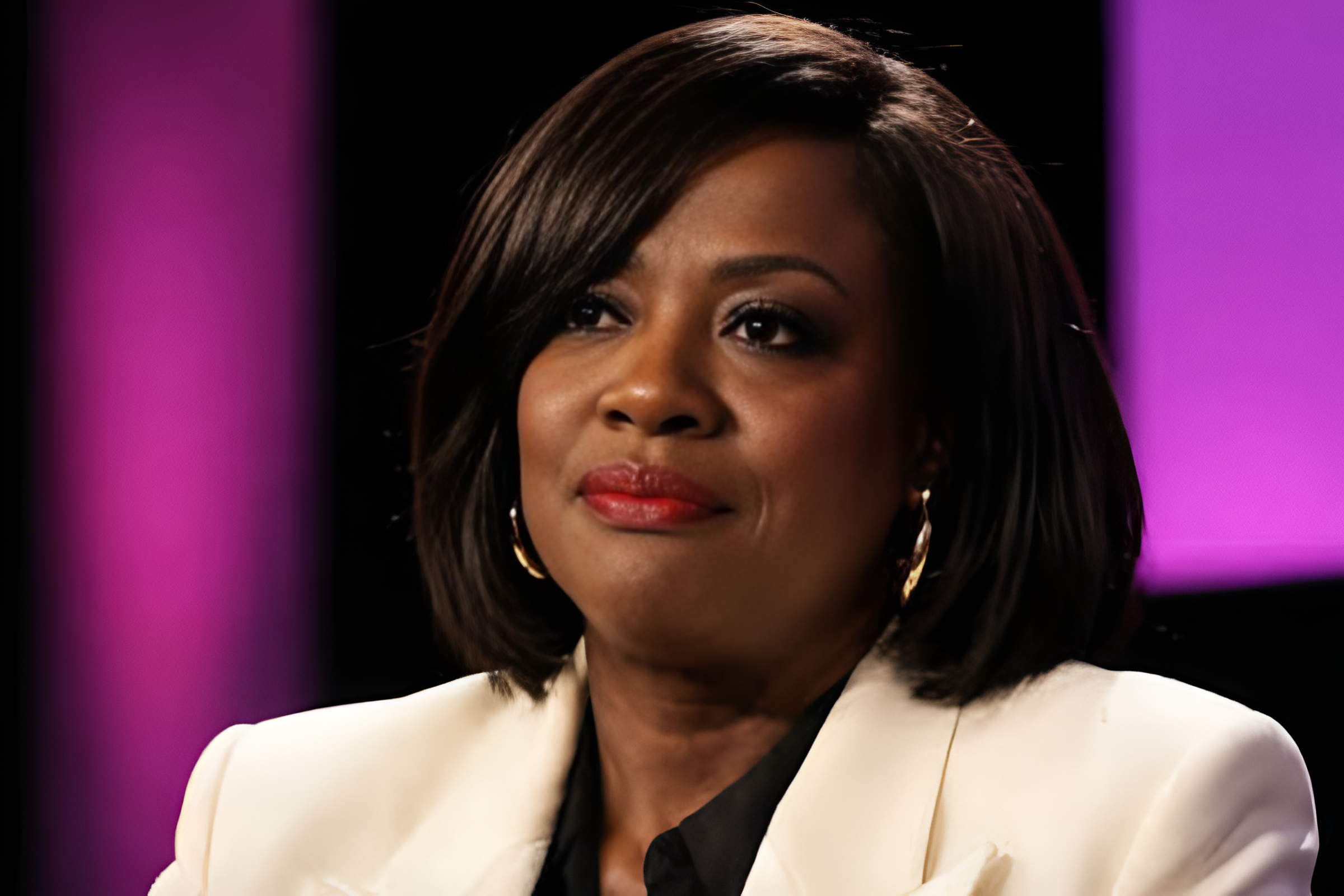
Photo credit: Viola Davis (X)
Viola Davis is not accepting Target’s apology, and she wants the company to know it. The Oscar winning actress used her platform this week to reject Target’s response. The company had pulled a children’s Halloween costume that drew backlash for resembling nineteenth century minstrel imagery. What could have been a quiet product recall turned into a much larger conversation about corporate accountability.
Target had already pulled the costume from its website a day before Davis spoke out. The company had listed the item under a generic circus clown description. But its black and orange bodysuit, hood with an oversized printed smile, and small top hat caught attention fast. Once images began circulating online, many shoppers saw something far more troubling. That era of American history caricatured and degraded Black people for entertainment. Once shoppers made that comparison, the backlash moved fast.
What Davis said in her post
Davis posted an image of the costume on Instagram along with her response to the company. She made clear she did not accept the apology. She also said she did not believe Target fully grasped the harm involved. Davis did not treat the costume as a one off mistake. Instead, she framed it as part of a longer pattern of dehumanizing imagery. That pattern has shaped how people have treated Black Americans throughout history.
The Woman King star has built a long record of speaking directly about racial harm. She does not let corporate statements stand in for real accountability, and this response fit that pattern closely.
How Target responded first
Target issued its own statement before Davis weighed in. The company confirmed it had removed the costume from its retail site and said it would not return. Target also said the product should never have been part of its inventory in the first place. The company directed its apology specifically at Black customers, employees and partners.
That post drew enormous attention, passing 92 million views by Thursday. Much of the public reaction focused on how the costume cleared internal review in the first place. Some pointed to Target’s recent pullback from its diversity, equity and inclusion programs as part of the answer. They argued that a more representative internal process might have caught the design before it ever reached shoppers.
Where the apology falls short
As of this reporting, Target has not issued a follow up statement addressing Davis directly. A company representative had not offered further comment either. The costume is gone. But questions remain about how the company approved it and what changes Target is making internally now.
For Davis, pulling one product does not settle the matter. Her message argued that acknowledgment without real accountability is not an apology at all. Much of the public response echoed that same frustration. The timing adds weight to her point. Several large corporations are quietly scaling back the diversity commitments they made after 2020. Critics say that shift makes moments like this one more likely, not less.
More in Entertainment
About the Author