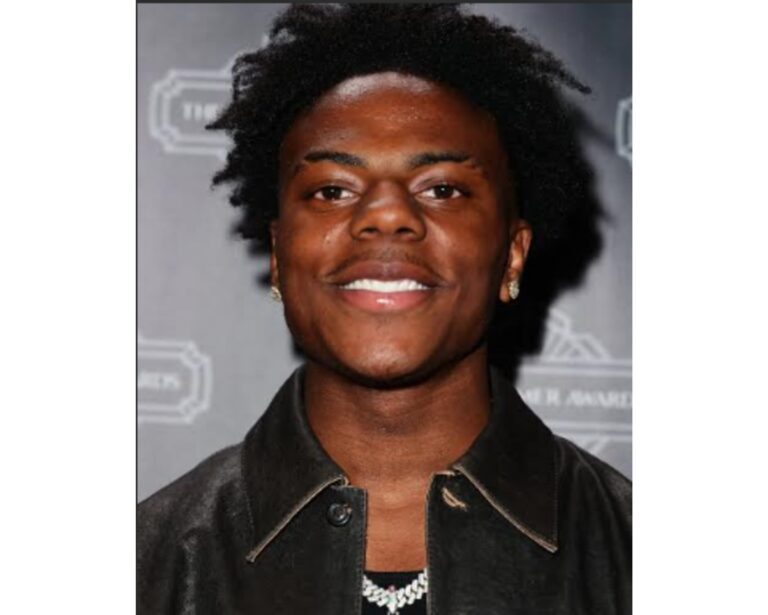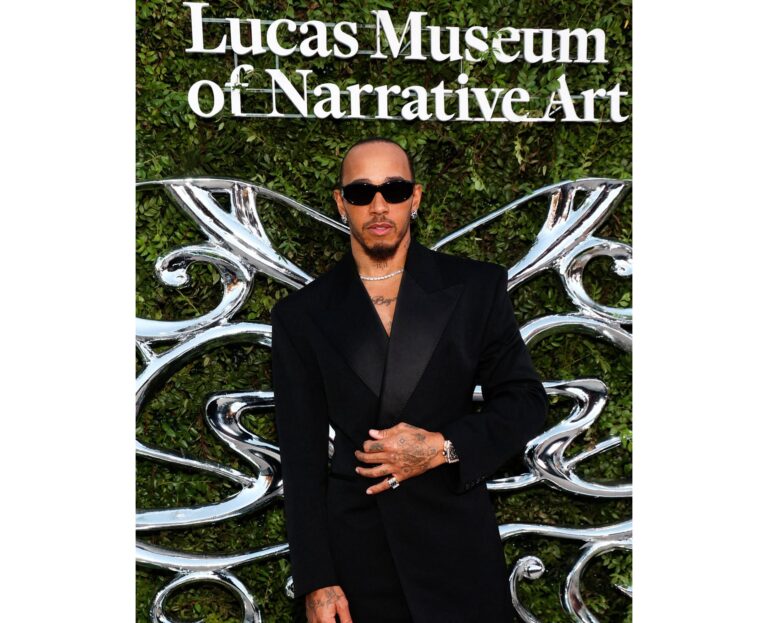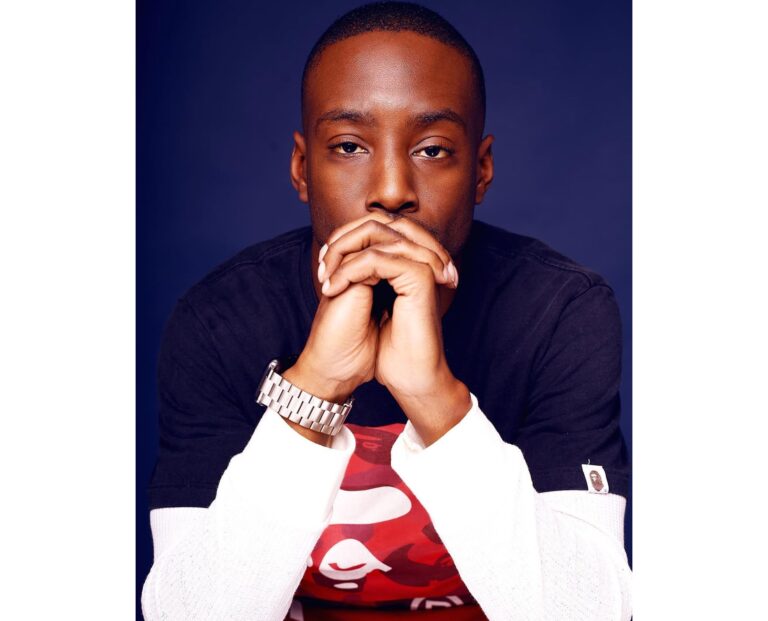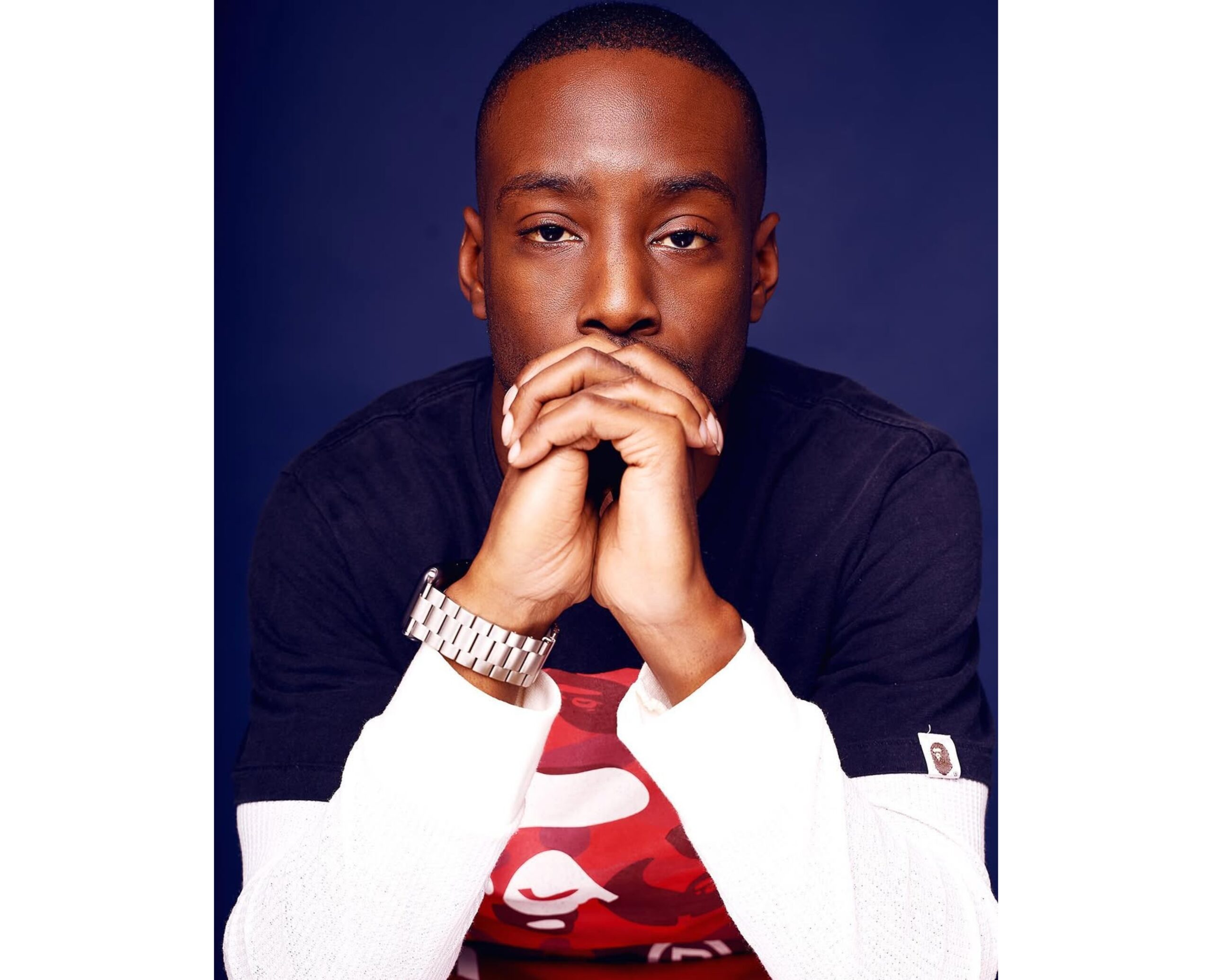
Photo credit; Justin B. Talley
Justin B. Talley was six or seven years old when he told his mom he wanted to be like Will Smith. He meant it literally. Not famous, not rich. He wanted to be on television doing what he had watched Will Smith do every week on The Fresh Prince of Bel-Air.
That moment planted a seed that never stopped growing. From Kalamazoo to Detroit, from community theater to the Irene Ryan Award for Best Actor, from film sets where he watched everyone and absorbed everything, to picking up a camera himself and realizing he had been directing since he was twelve without knowing what to call it. He turned rejection into ownership
Now, Talley is a director, writer, and actor with a debut feature ready for the world. The Rough Patch, a coming-of-age comedy about two high school seniors willing to risk everything to be popular, arrives on Prime and Tubi in October. His second feature, Polo Sporting Goods, a gritty action thriller currently in production, is already generating momentum. He sat down to talk about the mentors who shaped him, the auditions that pushed him to create his own opportunities, and what he hopes young filmmakers from small towns see when they look at his story.
You were born and raised in Kalamazoo and Detroit. How did Michigan shape your creative instincts and the stories you feel responsible for telling?
Well, first of all, the cold. If you’re not familiar with Michigan or Detroit, it gets well below 38 degrees there. The cold makes you a little bit rougher and a little bit tougher. If you can face the cold, you can face any type of rejection in Hollywood. That’s just my theory.
But beyond that, a lot of it had to do with my family and my support system. The film and television community in Michigan was very small when I was growing up. It wasn’t like it is now. The people around me just encouraged me to keep going and keep doing what I loved. My acting coaches, my drama teachers throughout school, and so many others played a significant role in my development as a theater and film artist. My dad also deserves a shout-out. He’s the one who first showed me all three Godfathers, and I was just like, yo, this is incredible.
How did you get on the trajectory to become a filmmaker?
There isn’t really a creative bone in my family’s body in the traditional sense, but watching television is what started everything for me. Fresh Prince of Bel-Air, Will Smith specifically. Born in 1991, I was about six or seven when I really got into the show. Watching it, I consciously understood that Will Smith was playing a character on television, and I told my mom I wanted to do that. I wanted to be like him, I wanted to be on TV, and then the rest is history.
Mel Brooks was another big inspiration. My dad pointed him out when I was watching Spaceballs, maybe ten years old at the time. He said, Justin, you know who that is? That’s Mel Brooks. He wrote, directed, acted, and produced this movie. That was a revelation.
Before stepping behind the camera, you built your career as an actor. What did performing teach you about directing?
When you’re an actor who wants to learn more about the craft, you watch everyone on the set. You watch the assistant director, the director, the stage manager. The gaffer, the grip, the stage hands moving set pieces around. A real actor is aware of everything going on around them and what it takes to put the show together.
As I was absorbing all of that from ages twelve to fifteen, something clicked. I said, okay, now that I know what this takes, I’m going to do my own. Calling my friends, grabbing my camera, I said let’s shoot something. My mom had just bought me an iMac with iMovie and Final Cut on it, and we made something. At the time, I didn’t know it was called directing or producing. Purely for the joy of putting something together myself, I was building shots, dressing scenes, composing frames, and I had no idea those things had names yet. School later gave me the vocabulary for what I had already been doing naturally.
You received the prestigious Irene Ryan Award at the American College Theater Festival. What did that honor affirm about your future in the industry?
That was at Marymount California University in Palos Verdes. My wonderful director, John Lane, God rest his soul, put on a production of You Can’t Take It With You, and I won Best Actor for playing the role of Donald. It was a really meaningful experience, and it reassured me that not only do I have the talent, but I have the dedication, the drive, and the knack for accomplishing what I set out to do.
Studying hard for that role and making sure I was fully authentic to the performance mattered deeply to me. As actors, we love the work, not just the finished product. The work is the joy. At that moment, I knew: if I do the work, I know I can be great.
Who recognized your potential before the industry did, and how did that mentorship shape your career?
Going through my top three by era, in high school it was Christopher Barrett. He is the GOAT for real. By freshman year, that first semester with him, I just knew I would have this man for my entire high school career. He had me in A Raisin in the Sun playing Travis, Fences playing Cory, and a very controversial production of The Laramie Project by Moises Kaufman. People actually came to our school and picketed the show. After the performance, the cast got honored by the City of Kalamazoo. Mr. Barrett’s ability to push actors to difficult places and then hold them through it is something I have always appreciated.
Then there was John Lane at Marymount, who pushed me to do the real work and submitted me for the Irene Ryan. William L. Johnson, known from Blue Hill Avenue, has been a genuine mentor and is actually working with me right now on Polo Sporting Goods. Every one of these people poured into me, and you need those people in your career.
Was there a particular moment when you realized you wanted greater creative control?
That hit me in LA, but not necessarily on set. It happened during auditions for roles I wanted but was not getting. Not getting enough of those auditions at all. Over time, creating those opportunities for myself felt like the only real option. Being on set and working was always a blessing, but the motivation to build my own work came from knowing there was not enough out there for me. Being the only Black actor who has ever felt that way is something I doubt very much. So the decision to make it myself became clear.
Tell us about your debut feature. What is The Rough Patch, and why was this the story you chose to introduce yourself as a filmmaker?
The Rough Patch is a coming-of-age comedy about two teenagers named Ben and Lionel who will do anything to become popular during their senior year. Their pursuit of popularity lands them in a life-or-death situation to the point where they wish they could have their old lives back. At its core, the film is about resilience and the willingness to press forward even when there is no going back.
Shooting it in Michigan and a little bit in Atlanta, Chase Dogan plays Ben in his first film, and Aaron LG Green, a wonderful stand-up comedian and character actor, plays Lionel. Both of them just killed it. Working with two friends made the whole process feel real and fun. The trailer is already up, and the film hits Prime and Tubi in October.
Your second feature, Polo Sporting Goods, is currently in production. How does it demonstrate your growth since making The Rough Patch?
It demonstrates my versatility. The Rough Patch is a comedy, and Polo Sporting Goods is a gritty action thriller set in Paterson, New Jersey. Following a drug dealer who is taking care of a paraplegic kid as they both try to escape their environment, the story is still relatable to my core audience while showing that I can pivot across genres completely. The film stars New Jersey rapper Wretch, also known as Retchy P, William L. Johnson from Blue Hill Avenue and The Black Hamptons on BET, and Lindsey Diane from Zatima on BET also makes an appearance. Follow the production at @PSGMovie on Instagram.
Where did you receive your formal training in filmmaking?
Picking it up naturally as a kid with a VHS camera and an iMac came first. New York Film Academy then gave me a formal framework. Time on the main LA campus, which shares space with Warner Bros. and Universal, and also on the New York campus shaped my professional approach significantly. What struck me during the curriculum was that everything they were teaching me was essentially what I had been doing since I was twelve, just on a professional and institutional scale.
Dutch angles, push-ins, and close-ups at twelve without knowing what any of it was called had already been part of my process. Learning mise-en-scene in school made me realize I had been dressing scenes in front of the camera and controlling the visual composition naturally for years. That recognition confirmed that this is what I am destined to do. School gave me the template to operate in the real world, understand funding and production stages, and build a professional process around instincts I had always had.
When the industry looks back on this chapter of your career, what do you hope it recognizes?
Learning from it is what I hope for most. Seeing that it is possible matters more than any specific recognition. Everybody has their own story, and it is just about how you see yourself. If they see me as someone resilient who decided to go a different way instead of waiting, that should give someone else the strength and motivation to do the same. Those who came before me did it. Those who come after will do it once they see it can be done.
Nipsey Hussle said the highest human act is to inspire. Getting a group of people to think outside the box and believe they are capable of something against the grain is almost better than any financial reward. Seeing someone from Kalamazoo, from a city like Detroit, should tell people that there are people like me everywhere. You just have to tell your story. Do not be afraid to tell your story.
The Rough Patch arrives on Prime and Tubi in October. Follow Justin B. Talley on Instagram and Twitter at @DaKidJTall. Follow The Rough Patch at @TheRoughPatchMovie and Polo Sporting Goods at @PSGMovie for production updates. Hashtag #TheRoughPatchMovie and #PoloSportingGoodsMovie to join the conversation.
Source: According to Porsha, featuring Porsha Monique and Justin B. Talley
About the Author