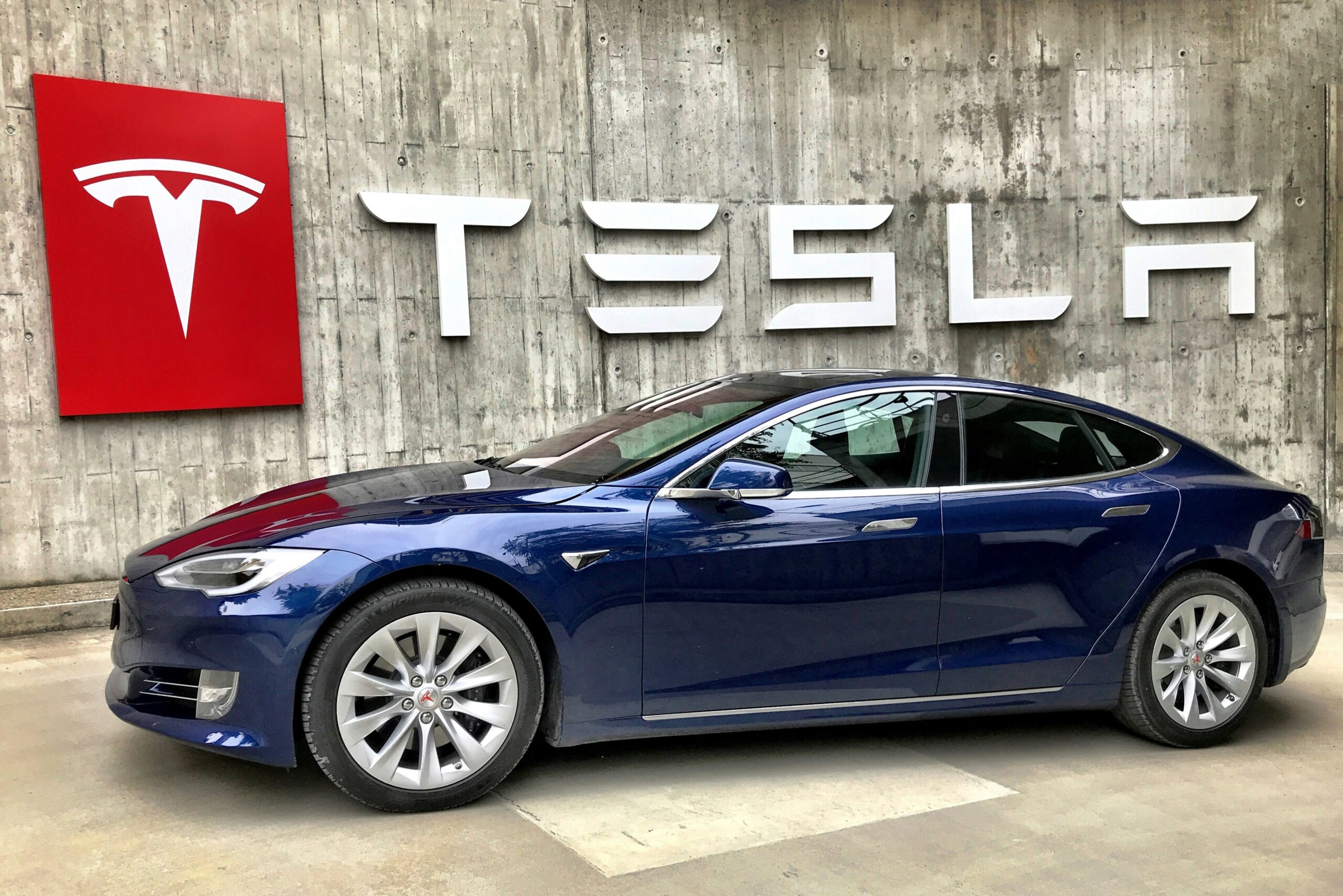
Photo by Tesla Fans Schweiz on Unsplash
Tesla is facing a major California trial over allegations that Black workers endured years of racial harassment, discrimination and retaliation at the company’s Fremont factory.
The lawsuit, brought by the California Civil Rights Department, accuses Tesla of failing to address complaints about racist slurs, graffiti, unequal treatment and workplace conditions. Tesla denies wrongdoing and says it disciplines employees who engage in harassment or racial misconduct.
The bench trial began Monday in Alameda County, with opening arguments offering sharply different accounts of the workplace environment.
Black Tesla workers describe alleged racism
California lawyers told the court that Black employees faced racist language and symbols at Tesla’s Fremont facility for years.
According to the state’s allegations, racist graffiti appeared in areas including bathrooms, lockers, benches and lunch tables. The Civil Rights Department’s case also alleges that Black workers faced discrimination in job assignments, pay, promotions and discipline.
During opening arguments, lawyers for the state presented photographs that allegedly showed racist messages and symbols inside the factory.
One former Black employee also testified about repeated racial harassment during his time at Tesla.
The state argues that the complaints were not isolated incidents. Instead, prosecutors say the evidence will show a broader pattern that Tesla failed to adequately address.
California alleges unequal pay and promotions
The lawsuit goes beyond allegations of offensive language.
California’s Civil Rights Department alleges that Black workers were disproportionately placed in lower-level, labor-intensive positions and were underrepresented in management and executive roles.
The department also cited an analysis of worker pay data from June 2018 through June 2024. According to the agency, Black workers received monthly compensation that was $1,533 lower than that of white workers in the analyzed data.
The state further alleges that workers who complained about discrimination faced retaliation, including harsh performance reviews, reprimands and termination.
These claims remain allegations that the court must resolve through the trial.
Tesla denies the allegations
Tesla has rejected the state’s claims and described the lawsuit as misguided.
The company has argued that it takes misconduct seriously and disciplines employees who use racial slurs or engage in harassment. Tesla has also pointed to the diversity of its Fremont workforce and the jobs it provides in California.
Tesla’s lawyers presented a different interpretation of the racial language cited in the case during opening statements.
The company is expected to challenge the state’s interpretation of the evidence as testimony continues.
Former employees testify in the trial
Several former Black Tesla employees have already taken the witness stand.
Nadia Clark, a former security manager at the Fremont facility, testified about an alleged incident in which a white employee repeatedly directed a racial slur at her.
Clark said she reported the incident to human resources but did not receive a response. She eventually left Tesla, describing the workplace as unsafe and hostile.
Another former employee who worked at Tesla from 2021 to 2024 testified about alleged bullying and racial harassment.
The state is using testimony from former workers to support its argument that Tesla knew about complaints but failed to adequately address them.
Tesla has faced other discrimination cases
The California lawsuit is not the first racial discrimination case involving Tesla.
The company has faced multiple lawsuits alleging racial harassment at its Fremont factory. One notable case involved former Tesla worker Owen Diaz, whose 2021 jury verdict initially awarded $136.9 million. A judge later reduced the award to $15 million.
The California Civil Rights Department filed its own lawsuit against Tesla in February 2022 after a nearly three-year investigation.
The agency’s case alleges violations of California’s Fair Employment and Housing Act and California’s Equal Pay Act.
What happens next in the Tesla trial?
The current case is being heard without a jury, meaning Judge Peter Borkon will ultimately decide the claims.
The trial is expected to continue through October, according to current reporting.
California is seeking financial damages and court-ordered changes to Tesla’s workplace practices. If the state succeeds, the case could affect how Tesla handles complaints involving racial harassment and discrimination.
For now, the court will hear evidence from both sides before reaching a decision.
The allegations against Tesla remain contested, and the company continues to deny wrongdoing as the trial moves forward.
Source: The Guardian, California Civil Rights Department, Tesla
About the Author