Photo credit: Facebook/Financial Times
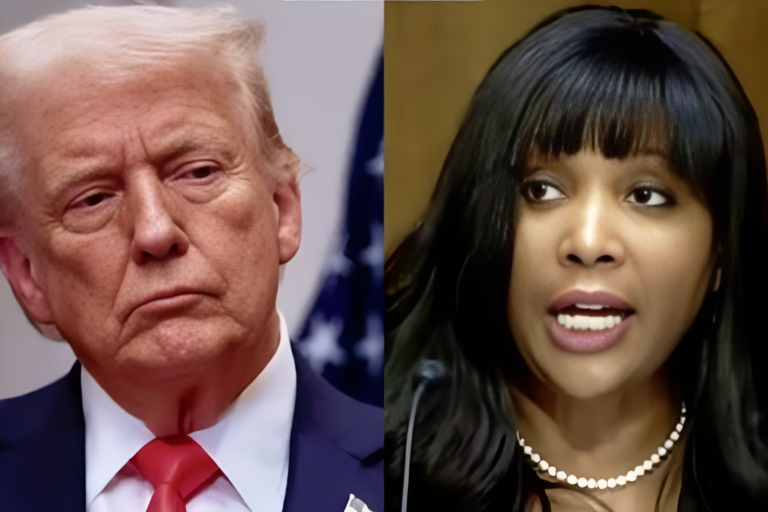
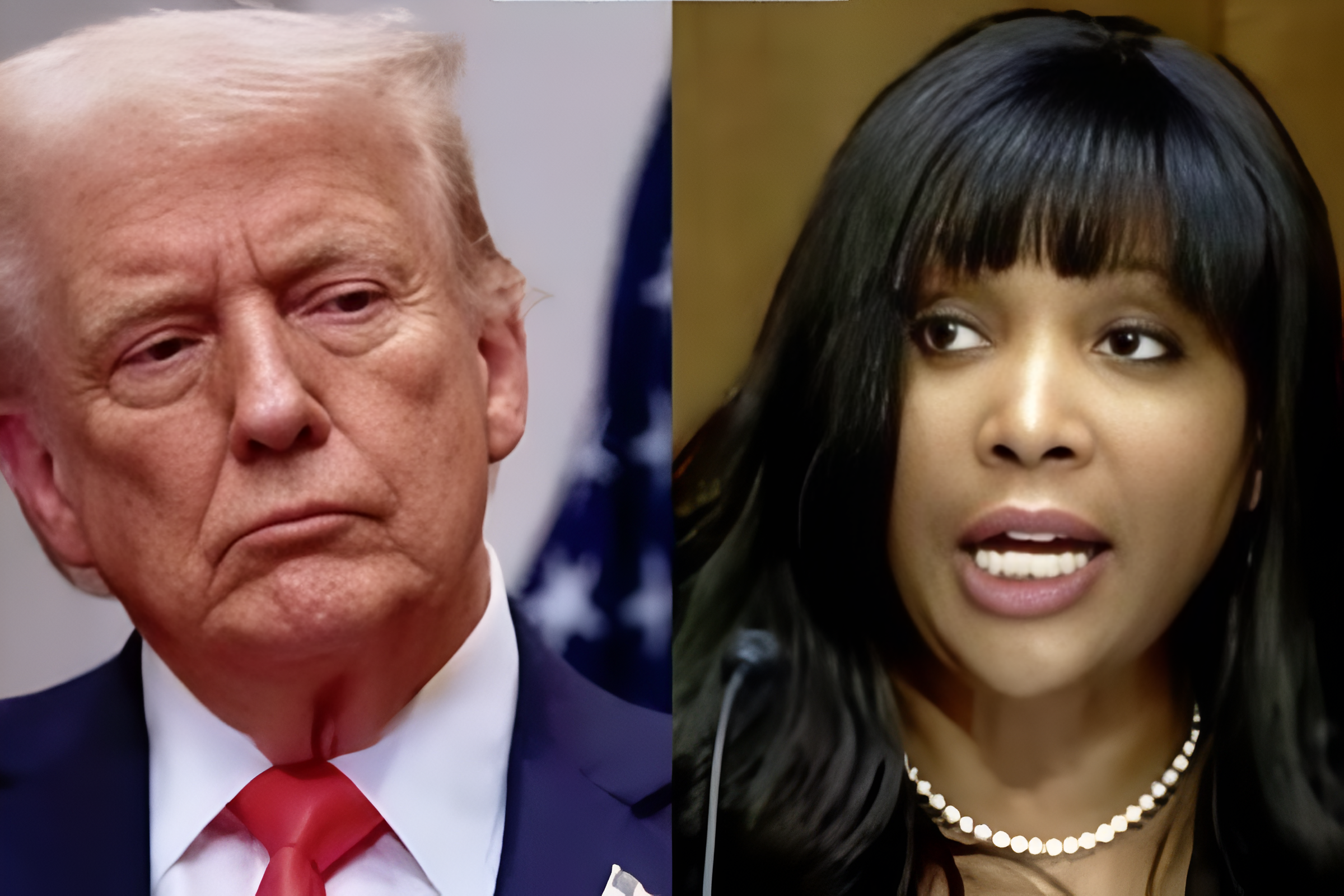
President Donald Trump has taken another step toward removing Federal Reserve Governor Lisa Cook. His administration has scheduled a White House hearing for November 5 to examine allegations involving her mortgage applications.
A presidential memorandum dated October 7 established a committee to investigate claims that Cook made false statements on one or more mortgage documents. The panel must review the evidence and advise Trump on whether there are legal grounds to remove her from the Federal Reserve Board. Cook denies wrongdoing.
The hearing will take place in person and last no more than four hours. It will remain closed to the public, although officials will prepare a transcript. Cook can present evidence, submit written arguments and respond to the allegations against her.
A New Process After the Supreme Court Ruling
This latest move follows Trump’s first attempt to remove Cook in August 2025. Cook challenged that action in court, arguing that the president could not dismiss her without proper cause and a fair chance to defend herself.
In June 2026, the Supreme Court allowed Cook to remain in office while her legal challenge continued. The justices found that she had not received the required procedural protections before Trump attempted to remove her. The ruling left room for the administration to pursue another effort if it followed the required process.
Trump’s new committee is intended to address those concerns. However, the process raises fresh questions about how the administration will assess the allegations and whether its review will satisfy the legal standard for removing a Federal Reserve governor.
The committee includes three Trump administration officials: economic adviser Kevin Hassett, Equal Employment Opportunity Commission Chair Andrea Lucas and Office of Government Ethics Director Keith Sonderling. The panel may also consult federal agencies, including the Justice Department.
Cook Will Have an Opportunity to Respond
The memorandum gives Cook several ways to present her defense. She may submit a written statement before the hearing, offer supporting documents and provide written statements from witnesses.
Her lawyers, Abbe Lowell and Norm Eisen, have rejected the allegations. They said Cook welcomes the opportunity to present the facts and believes a fair review will show that there is no legal basis for her removal.
The committee must submit its findings and legal conclusions to Trump after the hearing process. Cook may also provide a written statement after the hearing, with the memorandum setting November 10 as the deadline.
The president will then consider the committee’s recommendation on whether sufficient cause exists to remove her. The outcome could lead to further legal challenges if Cook disputes the process or the administration’s findings.
Why the Case Matters for the Federal Reserve
The dispute reaches beyond Cook’s position. It also raises questions about the Federal Reserve’s independence from the White House.
The central bank sets monetary policy, including interest rates, to support its goals for stable prices and maximum employment. Its decisions can affect borrowing costs, business investment and household finances.
Trump has repeatedly pushed for lower interest rates and criticized the Fed’s leadership over its policy decisions. The renewed effort to remove Cook comes amid those tensions, placing the central bank’s legal protections under renewed scrutiny.
Cook joined the Federal Reserve Board in 2022 after President Joe Biden nominated her. She became the first Black woman to serve on the board. Her current term runs through 2038.
The Federal Reserve Act allows a president to remove a governor for cause. However, the law’s protections limit a president’s ability to dismiss a governor simply over policy disagreements.
The central question now is whether the administration can establish a legally sufficient reason to remove Cook through the new inquiry. The November hearing will provide another stage in a dispute that could shape how future presidents exercise their authority over the central bank.
About the Author