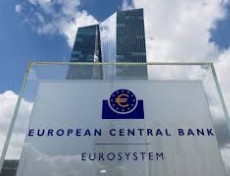
Courtesy:ECB
The European Central Bank moved on Thursday to contain a growing inflation problem. On June 11, 2026, the ECB raised its benchmark deposit rate to 2.25% and its refinancing rate to 2.40%. The ECB interest rate hike June 2026 was widely anticipated by markets and policymakers alike. Nevertheless, the decision carries significant weight. Surging energy costs tied to the ongoing conflict in the Middle East have pushed euro zone inflation above 3% well beyond the ECB’s 2% target and the bank made clear it will not allow that pressure to become entrenched.
Why the ECB acted now
The primary driver behind Thursday’s decision is energy prices. The Iran war has pushed oil and gas costs sharply higher across Europe. As a result, inflation across the 21-nation euro zone climbed above 3% last month. Furthermore, policymakers expect further increases as the conflict drags on longer than most originally predicted.
The ECB has been signaling this move for some time. By communicating the hike well in advance, the bank aimed to anchor expectations among businesses and households. Its core message was straightforward rising longer-term price expectations will not be tolerated. In its official statement, the ECB acknowledged the Middle East conflict as a direct source of inflation pressure and said the rate decision holds up across a wide range of scenarios for how the crisis might develop.
Updated inflation and growth forecasts
Alongside the rate decision, the ECB revised its economic projections in both directions. On inflation, the bank lifted its 2026 forecast to 3.0% from the 2.6% it projected in March. The 2027 inflation outlook also moved higher, rising to 2.3% from 2.0%. Both revisions reflect the ECB’s judgment that energy-driven price pressure will persist for longer than previously expected.
On growth, however, the picture is less encouraging. The ECB cut its 2026 economic growth projection to 0.8% from the 0.9% forecast just three months ago. For 2027, the bank sees growth of only 1.2%. Together, those numbers illustrate the difficult position the ECB now occupies. It must raise rates to fight inflation while simultaneously avoiding the kind of aggressive tightening that could tip a weakening economy into recession.
The narrow path ahead
Markets currently price in 2 or more additional rate hikes over the coming year. However, most analysts expect the ECB to proceed carefully given the fragility of the euro zone economy. The bloc was already showing signs of weakness before the energy shock hit. Sharply higher borrowing costs would increase recession risk, which is precisely the outcome the bank wants to avoid.
In its statement, the ECB was direct about the challenge. It described the outlook as uncertain, with upside risks for inflation sitting alongside downside risks for economic growth. That combination known to economists as stagflation risk is among the most difficult environments any central bank can navigate. Raising rates too aggressively could crush growth. Doing too little could allow inflation expectations to drift higher and become self-fulfilling.
What comes next
Attention shifted quickly to the press conference that followed Thursday’s decision. ECB President Christine Lagarde and newly inaugurated Vice President Boris Vujcic took questions on the bank’s path forward. Their guidance on the pace and scale of future hikes will shape how financial markets price European assets in the weeks ahead.
For businesses and consumers across the euro zone, the immediate impact of Thursday’s hike is higher borrowing costs. Mortgages, corporate loans and consumer credit tied to variable rates will all become more expensive. Meanwhile, savers benefit from better returns on deposits. The ECB is betting that those effects, combined with its clear communication, will be enough to prevent the current inflation surge from becoming a longer-term problem.
Whether that bet pays off depends heavily on how the conflict in the Middle East evolves a variable that no central bank, however skilled, can fully control.
Source: Global Banking & Finance Review / Reuters
About the Author