Courtesy: lewis hamilton
Courtesy: lewis hamilton
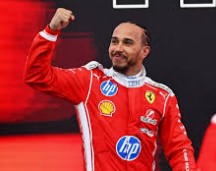
The Lewis Hamilton Monaco GP penalty arrived during a critical stage of the race on the streets of Monte Carlo. F1 stewards investigated Hamilton after race control data showed his Ferrari briefly exceeded the prescribed pit lane speed limit during a scheduled stop. Moreover, stewards reviewed the available data and confirmed the breach before issuing the five-second penalty in line with FIA sporting regulations. Furthermore, Hamilton expressed frustration on the team radio, telling Ferrari he had stopped much earlier than everyone else during the pit stop sequence.
The penalty added difficulty to Ferrari’s race strategy at one of the calendar’s most unforgiving circuits. Additionally, Max Verstappen’s retirement from the race had already reshaped the competitive picture heading into the closing stages.
Why pit lane speed limits carry such strict enforcement
Pit lane speed violations rank among the most strictly enforced rules in Formula 1. The regulations exist primarily to protect mechanics, team personnel, and other drivers working and moving in a crowded and confined environment. Moreover, F1’s automated monitoring systems detect speed infractions with precision, leaving stewards little room for discretion once data confirms a breach. Furthermore, even minor violations draw penalties regardless of whether the driver gained a meaningful competitive advantage from the excess speed.
The Monaco Grand Prix makes pit lane penalties particularly painful. Overtaking opportunities on the narrow Monte Carlo street circuit are almost nonexistent. Moreover, track position carries more value at Monaco than at almost any other venue on the F1 calendar. Consequently, a five-second penalty can drop a driver through multiple positions in the final standings even when the original speed excess was small and brief.
Hamilton’s case followed that exact pattern. Race control data showed his Ferrari exceeded the limit before reaching his pit box. The margin was not believed to be large. However, Formula 1’s automated systems do not distinguish between small and large violations when the limit is clearly breached. Consequently, stewards applied the standard penalty without exception.
George Russell also receives a five-second penalty
Hamilton was not the only high-profile driver to face punishment at Monaco. Mercedes driver George Russell also received a five-second time penalty during the same race. Moreover, his penalty added to the broader drama surrounding race control’s activity throughout the event. Furthermore, having two former Mercedes teammates on opposing teams both penalized on the same afternoon underlined how demanding Monaco is for driver and team compliance alike.
The stewards remained active throughout the Monaco weekend across multiple teams and drivers. Lando Norris and McLaren also faced a separate FIA financial penalty of thirty thousand euros at the same event. Additionally, Sergio Perez received his own punishment from F1 stewards. Consequently, race control delivered one of the more eventful weekends of enforcement seen at Monaco in recent seasons.
What the penalties mean for Hamilton and Ferrari
The Lewis Hamilton Monaco GP penalty reflects the broader challenge Ferrari and Hamilton face in converting qualifying pace into clean race results. Monaco rewards precision in every aspect of the weekend, from qualifying lap timing to pit stop execution to maintaining focus under the pressure of narrow streets and barriers. Moreover, any breakdown in that precision draws immediate consequences. Furthermore, Hamilton’s radio communication after the stop suggested the timing of the pit stop itself had not gone exactly as planned before the speed issue emerged.
Ferrari will review the data from the pit stop sequence and the speed violation to understand what adjustments are needed going forward. Moreover, Hamilton’s frustration on the radio signaled that the stop did not unfold according to the team’s planned strategy. Additionally, the five-second penalty altered his final race position in a race where every position point matters in the championship standings.
Source: Athlon Sports / Faizan Mirza
About the Author