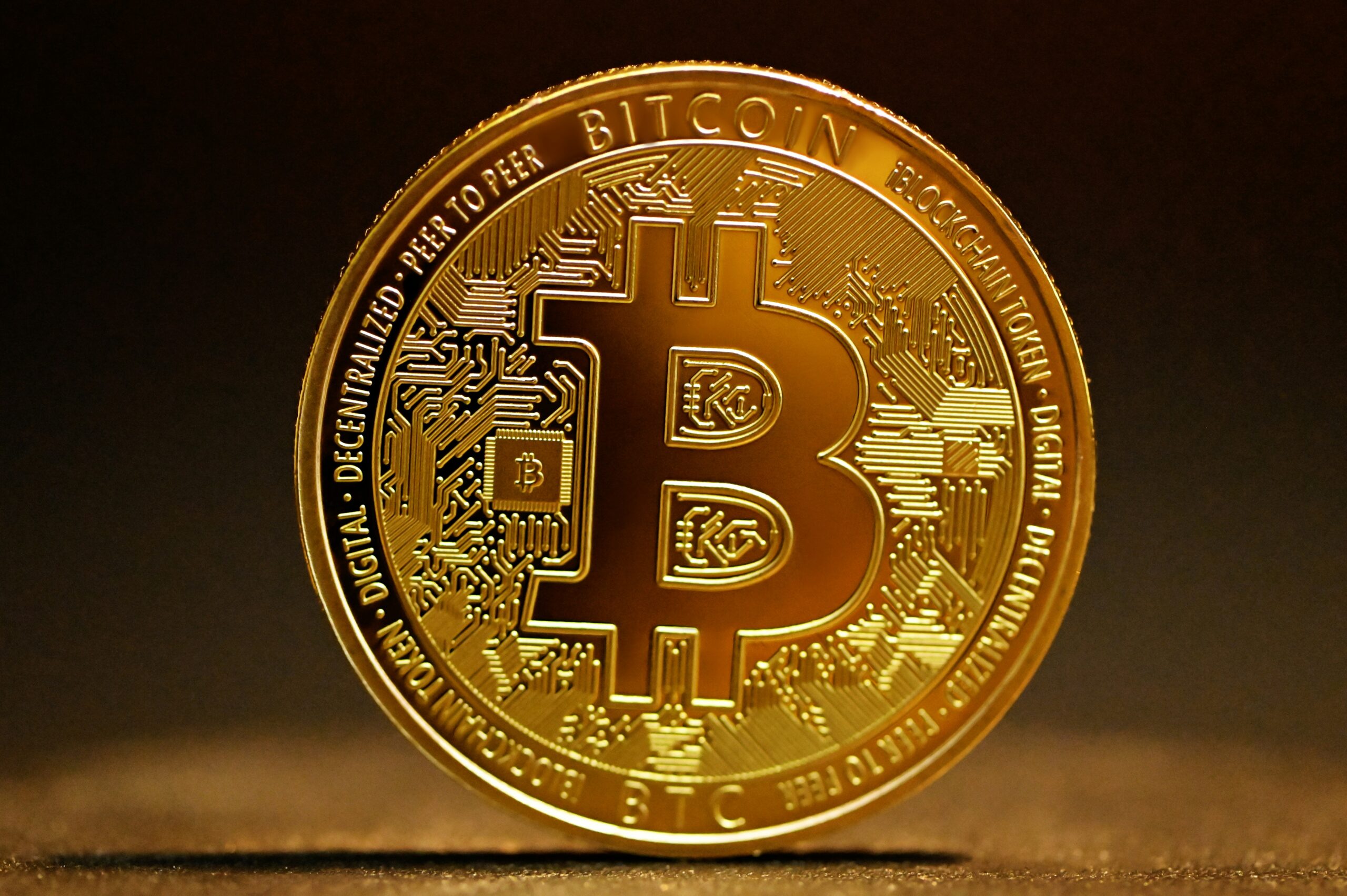
Photo by Kanchanara on Unsplash
Bitcoin rebounded more than 11 percent from its June 5 low and climbed to about $66,500. It later settled near $65,500 by mid-June. Easing tensions in the Middle East after the US-Iran framework agreement supported risk assets. Institutional investors also appeared to view $59,000 as an attractive entry point. Several on-chain tracking platforms recorded strong whale accumulation during the decline. Together, geopolitical relief and institutional demand helped support the recovery.
What the Crypto Fear and Greed Index is showing
The Crypto Fear and Greed Index provides a clear view of changing investor sentiment during the June selloff. The index ranges from 0, which signals extreme fear, to 100, which signals extreme greed. It dropped to 12 on June 6 as panic peaked. That reading came close to the record low of 5 seen during earlier crypto bear markets. As Bitcoin recovered, the index gradually rose to between 18 and 20 by mid-June. Although sentiment remains fearful, the move away from extreme fear signals improving confidence.
Extreme fear often marks short-term market bottoms. Institutional investors have repeatedly accumulated assets during periods of peak pessimism. The slow recovery in sentiment suggests many traders still doubt that the correction has ended. That skepticism can support prices because it reduces the number of investors likely to panic sell. The current recovery therefore reflects caution rather than complacency.
Altcoin performance during the mid-June recovery
The broader altcoin market joined the mid-June rebound, showing that the recovery extends beyond Bitcoin. On June 16, Ethereum, XRP, and Solana each gained about 4 percent. Improved market sentiment and a record-setting session for the Dow helped drive those gains. Several other altcoins also posted strong performances. LINK, TON, HBAR, SUI, Ondo, and ICP advanced between 3 and 6 percent. The wide participation across the market suggests a genuine improvement in overall conditions.
Broad altcoin participation often signals a healthier recovery. When Bitcoin rises but altcoins lag, buying activity can appear weak or cautious. The pattern seen in mid-June showed strength across multiple sectors of the crypto market. Historically, that type of participation has preceded more sustained rallies. Ethereum and Solana also hold special importance as the two largest non-Bitcoin layer-one networks. Their gains reinforced the broader recovery story.
What triggered the early June selloff and where markets stand now
Several factors combined to push Bitcoin down to $59,000. Rising geopolitical tensions linked to the US-Iran conflict unsettled global markets. Investors also worried about inflation and the Federal Reserve’s interest-rate path. Those concerns hit a market that had already enjoyed months of strong gains. Bitcoin slipped below $70,000 on June 2 and continued falling throughout the first week of June. The $59,000 level eventually attracted buyers because it aligned with key technical support and heavy liquidation activity.
The recovery has remained cautious. Traders continue to look for evidence that selling pressure has fully eased before increasing exposure. The Federal Reserve’s rate decision on Wednesday could become the next major catalyst for the market. At the same time, officials have not yet released the full text of the US-Iran agreement. As a result, geopolitical risks have declined but not disappeared. Bitcoin’s stabilization near $65,500 reflects a market that is recovering steadily but has not fully regained confidence.
Source: ECIKS.org / Chris Martin
About the Author