Photo by Sven Piper on Unsplash
SpaceX stock pulls back IPO high after record-breaking debut
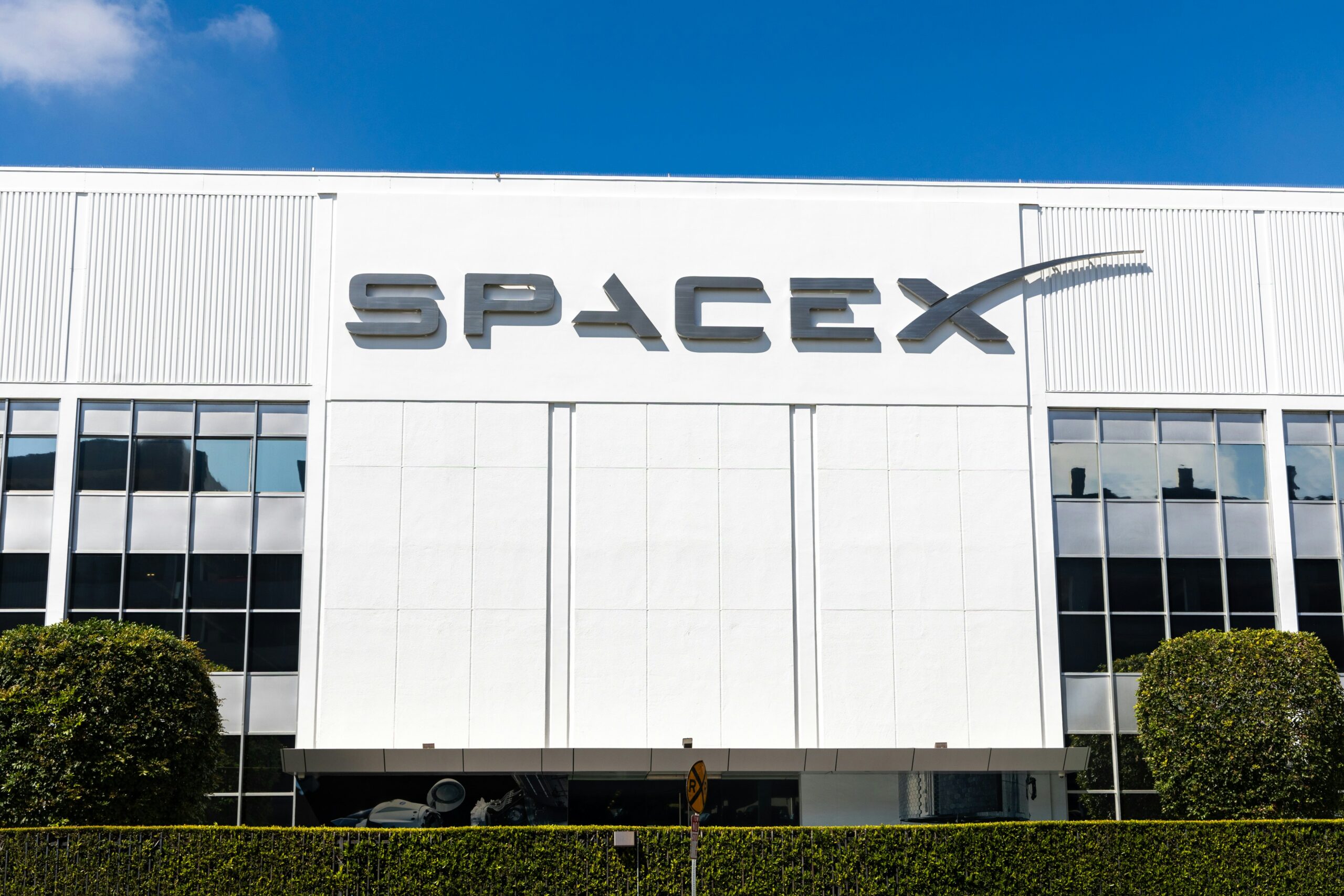
SpaceX stock pulls back IPO high momentum just over a week after one of the most celebrated debuts in market history. Shares priced at $135, opened at $150, and closed the first trading day at $160.95 on June 12. That gain of 19 percent pushed the company’s market value above $2.1 trillion. Moreover, the stock has fallen on each of the past three trading days since that peak. Consequently, investors are now watching closely to see whether the early pullback signals a longer correction.
The IPO itself broke records before trading even began. SpaceX raised more than $87 billion including greenshoe options. That raise came at a $1.77 trillion valuation, making it the largest IPO ever completed. Moreover, demand reportedly exceeded available shares by roughly four times. Furthermore, that imbalance between supply and demand helped fuel the stock’s explosive first-day rise.
What SpaceX actually does and why investors are excited
SpaceX operates three major business lines according to its SEC registration statement. The company runs Starlink satellite internet, space launch services, and artificial intelligence operations acquired through xAI. Moreover, Starlink generated $11.4 billion in revenue during 2025. It produced roughly $4.4 billion in operating income, making it the company’s primary profit engine. Furthermore, Starlink subscriber counts climbed from 2.3 million in 2023 to more than 10 million by early 2026.
SpaceX frames its opportunity in extraordinarily large terms. The company says its combined markets could represent a $28.5 trillion total addressable opportunity. AI accounts for the majority of that projected figure. Moreover, SpaceX now identifies itself primarily as an AI company rather than purely a space business. Consequently, much of the bullish case for the stock rests on AI growth that has not yet been proven at scale.
History shows mega-IPOs often disappoint within a year
The pattern among history’s largest IPOs offers a clear caution. Saudi Aramco’s 2019 debut at a $1.7 trillion valuation fell 11 percent within a year. Meta’s 2012 IPO at $104 billion dropped 30 percent. Moreover, Alibaba fell 27 percent after its $168 billion 2014 listing. Rivian Automotive lost 82 percent within a year of its $77 billion 2021 IPO. Uber dropped 18 percent after its $82 billion 2019 debut.
The data extends well beyond those individual examples. IPOs valued over $50 billion have posted a median one-year return of negative 31.9 percent across seven recent offerings, according to FactSet and V22 Research. Moreover, IPOs valued between $10 billion and $50 billion returned negative 17.4 percent on average. Smaller offerings performed far better. IPOs between $2 billion and $10 billion returned 12.3 percent. Those under $500 million returned 7.7 percent. Consequently, size and post-IPO performance appear inversely related across the historical record.
SpaceX’s valuation leaves little room for error
SpaceX differs meaningfully from past disappointing mega-IPOs in some respects. The company dominates commercial launches. It has built a genuinely profitable satellite internet business in Starlink. Moreover, those advantages are real and differentiate SpaceX from companies like Rivian that lacked proven revenue engines at the time of their IPOs.
Still, the financial picture carries real risk. SpaceX reported a net loss of roughly $4.9 billion in 2025 after incorporating xAI’s results. The company lost another $4.3 billion in the first quarter of 2026 as AI investments accelerated. Moreover, at roughly $2.4 trillion, investors are paying more than 100 times trailing revenue. That multiple assumes years of near-flawless execution across rockets, satellites, and artificial intelligence simultaneously.
Insider selling adds another layer of risk to watch. SpaceX structured its lockup agreement so portions of insider holdings become available sooner than the traditional 180-day restriction. Moreover, that accelerated timeline could add meaningful share supply to the market later this year. Consequently, additional selling pressure could compound any weakness the stock already shows from valuation concerns alone.
What investors should consider before buying the dip
SpaceX may well become one of the most important companies of the next decade. Its leadership in launch services, satellite communications, and AI gives it opportunities few businesses can match. Moreover, the company’s fundamentals are stronger than many of the disappointing mega-IPOs from the past 15 years.
However, great companies do not always make great investments at every price point. History shows that many of the market’s largest IPOs delivered disappointing returns once the initial excitement faded. Moreover, with SpaceX already valued above $2 trillion and trading at triple-digit revenue multiples, a better entry point may emerge once post-IPO enthusiasm settles further. Consequently, patient investors have historically captured better returns buying strong companies after the crowd stops celebrating rather than during the initial rally.
Source: 24/7 Wall St. / Rich Duprey
About the Author