Photo credit: facebook/Fox News
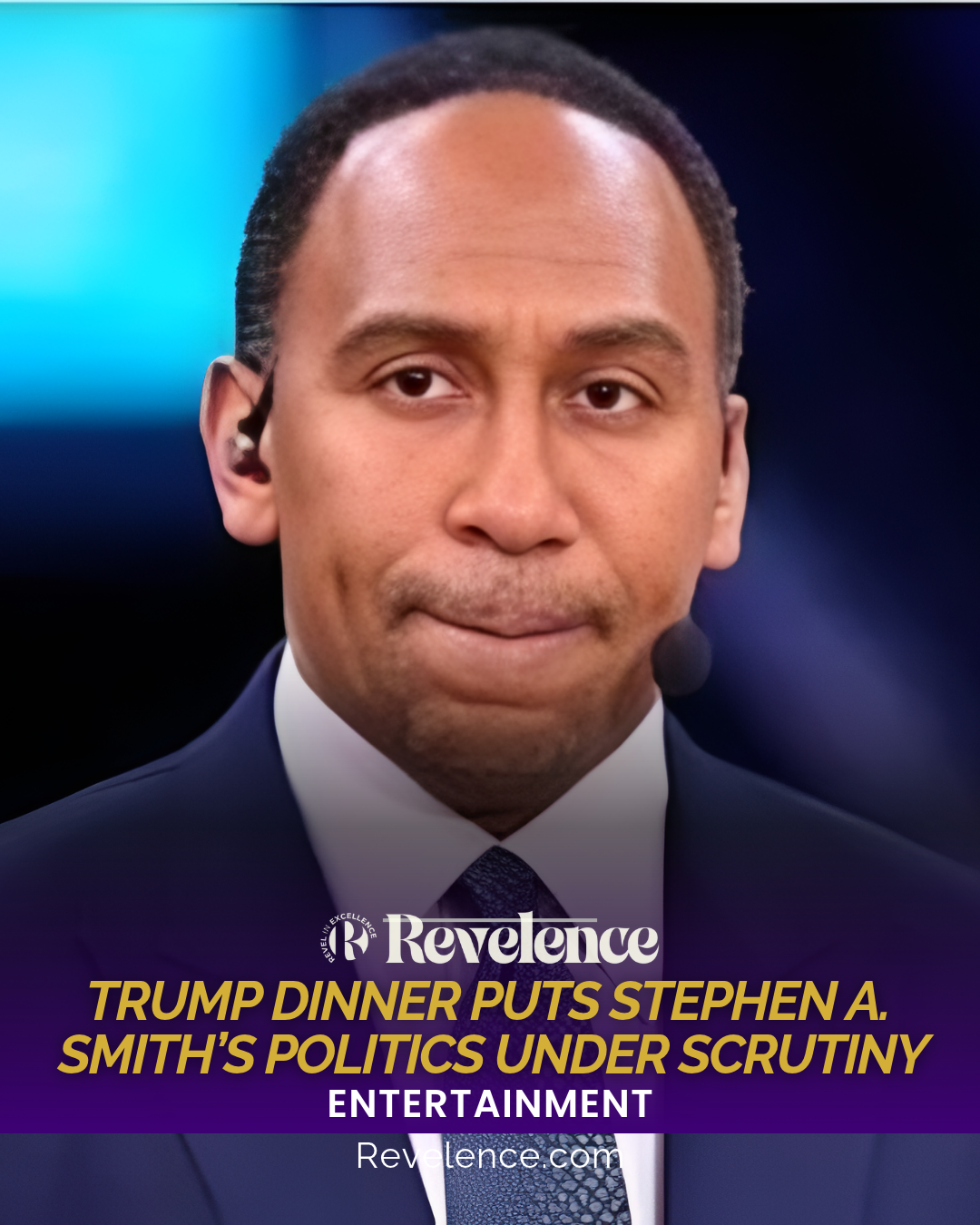
Stephen A. Smith’s reported dinner with President Donald Trump at the White House is drawing attention to the sports commentator’s growing involvement in political conversations and speculation about his own political ambitions.
Smith has spent much of the past year criticizing the Democratic Party’s direction while expanding his commentary beyond sports. The reported dinner brought that political profile into sharper focus, placing him at a table with Trump, musician Kid Rock and television personality Bill Maher.
Who joined Stephen A. Smith at the White House?
According to the report, the gathering brought together four public figures with differing political backgrounds for an evening of conversation about American politics and international affairs.
The meeting was not Maher’s first dinner with Trump at the White House. A previous gathering took place the year before, with Kid Rock reportedly helping arrange that meeting as well. Maher had confirmed earlier in the week that he received another invitation.
Kid Rock later described the latest dinner as an opportunity for people with different political affiliations to exchange views. He said the conversation covered domestic policy and geopolitical conflicts, rather than following a set of prepared talking points.
Socialism and communism emerge as shared concerns
Kid Rock said the four men found common ground in their opposition to socialism and communism in American government.
He characterized the gathering as a conversation between guests who do not typically share the same political space. While the reported agreement offered a point of connection, it did not mean the participants agreed on every issue discussed.
Smith raises concerns about Black women and HBCUs
The dinner reportedly included more pointed discussions about issues affecting Black communities. Smith raised concerns about unemployment among Black women and funding for historically Black colleges and universities, according to the report.
Kid Rock acknowledged Smith’s argument that rolling back diversity, equity and inclusion initiatives could discourage corporate donations to HBCUs. Such a shift could create additional challenges for institutions that depend on outside support to sustain programs and educational opportunities.
Kid Rock responded that the administration wanted corporate funding for HBCUs to continue. However, the account did not establish whether his remarks reflected a formal administration policy or his own interpretation of its position.
The exchange suggests that Smith used the gathering to raise concerns beyond the political divisions that often dominate public debate. It also highlights the questions surrounding how changes to corporate diversity policies could affect institutions serving Black communities.
What the dinner could mean for Smith’s political future
Smith has repeatedly expressed dissatisfaction with the Democratic Party and discussed the possibility of pursuing political office, although he has not made a firm commitment to run.
His reported meeting with Trump adds another layer to that public profile. A White House dinner does not establish political allegiance or confirm plans to seek office, but it can intensify scrutiny of a commentator whose views increasingly reach beyond sports.
For Smith, the gathering may be another example of his willingness to engage with influential figures across political lines. Whether that engagement signals a more deliberate political strategy remains unclear.
For now, the dinner has renewed attention on the relationship between Smith’s media career, his political commentary and the possibility of a future in public office.
About the Author