Courtesy:realdonaldtrump
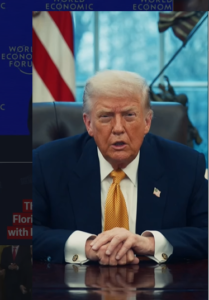
The Trump Iran standoff over the Strait of Hormuz entered a dangerous new phase on April 30, 2026, with oil prices surging to their highest point in four years and no diplomatic breakthrough in sight. Brent crude hit $126 a barrel overnight before settling back around $114. West Texas Intermediate jumped nearly 7% to close at $106.88 a barrel. Meanwhile, the average price of gas across the United States reached $4.23 a gallon the highest level since just after Russia’s invasion of Ukraine in 2022. The waterway has been effectively shut to commercial shipping for nearly two months. Both sides are digging in, and the global economy is paying the price.
How the Strait of Hormuz became the center of the Trump Iran standoff
The crisis began on February 28, 2026, when the United States and Israel launched a joint military assault on Iran. In response, Iran moved to choke off the Strait of Hormuz the narrow waterway between Iran and Oman through which roughly a fifth of the world’s oil and liquefied natural gas passes in peacetime. Iran attacked three commercial ships, seized two more, and planted naval mines across the strait. The U.S. Navy responded by blockading Iranian ports. As a result, what analysts have described as a “dual blockade” took hold. Iran blocked the Gulf. The U.S. blocked Iran. Together, the standoff effectively brought one of the world’s most vital trade routes to a standstill.
Additionally, Iran began charging tolls of over $1 million per ship for any vessel attempting to pass through the waterway. A Japanese-owned tanker, the Idemitsu Maru, successfully transited on April 29 one of just 11 ships to move through the strait in the previous 12 hours, according to NBC News analysis of traffic data. Before the war, roughly 20 million barrels per day of crude, fuels, and petrochemicals moved through the waterway. That flow has been reduced to a trickle.
Iran offered a deal but Trump rejected it
Iran sent a proposal through Pakistani mediators offering to reopen the strait in exchange for the U.S. lifting its naval blockade and ending the war. Crucially, the offer would defer any discussion of Iran’s nuclear program to a later date. Secretary of State Marco Rubio described the proposal as better than expected but questioned whether it was genuine. He made clear that the nuclear question could not be set aside. Furthermore, Trump rejected the offer outright, telling Axios that Iran cannot have a nuclear weapon under any deal. He called the U.S. blockade “somewhat more effective than the bombing” and said Tehran was “choking.” Trump also warned Iran to “get smart soon” as his national security team presented him with new military options, including a wave of short, targeted strikes designed to force Iran back to the negotiating table.
Iran’s new supreme leader, Mojtaba Khamenei who has not been seen publicly since the war began and is believed to have been seriously wounded issued a written statement vowing to protect the country’s nuclear and missile programs as national assets. A senior Revolutionary Guard commander warned that any new U.S. military strikes would be met with sweeping retaliation. The standoff, as a result, appeared no closer to resolution on April 30 than it had been weeks earlier.
What the standoff is costing the world economy
The human and economic costs of the Trump Iran standoff are mounting by the day. Oil prices have risen nearly 50% since the war began. Even if the conflict ended immediately, analysts say it would take four to six months for oil markets to stabilize. Mines would need to be cleared, tanker congestion managed, and production gradually restarted. Moreover, the World Food Program warned in March that rising fertilizer prices tied to the conflict could push up to 45 million more people into acute food insecurity in 2026 if the war does not end soon. In the United States, the energy spike has pushed inflation to its highest level in nearly two years.
The UAE, which announced it is leaving OPEC on May 1, cited the conflict as a central factor in its decision. Its own production dropped 44% after the strait closure cut off its export routes. Additionally, Trump met with U.S. energy industry executives earlier in the week to discuss the possibility of maintaining the blockade for months if needed.
What comes next in the Trump Iran standoff
CENTCOM Commander Admiral Brad Cooper is scheduled to brief Trump and his senior national security team on options for the way ahead in the strait. That briefing, combined with the rejection of Iran’s latest proposal, suggests the administration is weighing whether to escalate militarily or wait out Tehran’s leadership uncertainty. Iran’s political situation remains opaque. The new supreme leader’s silence has fueled speculation in Washington, though Iranian officials say the leadership transition is manageable.
Trump said negotiations are now happening by phone rather than in person. He noted that the administration no longer wants to send delegations on 18-hour flights. In the meantime, the strait stays closed, oil prices stay elevated, and the economic pain keeps spreading.
Source: Washington Post
About the Author