How World Cancer Day (Feb. 4) can help us support each other
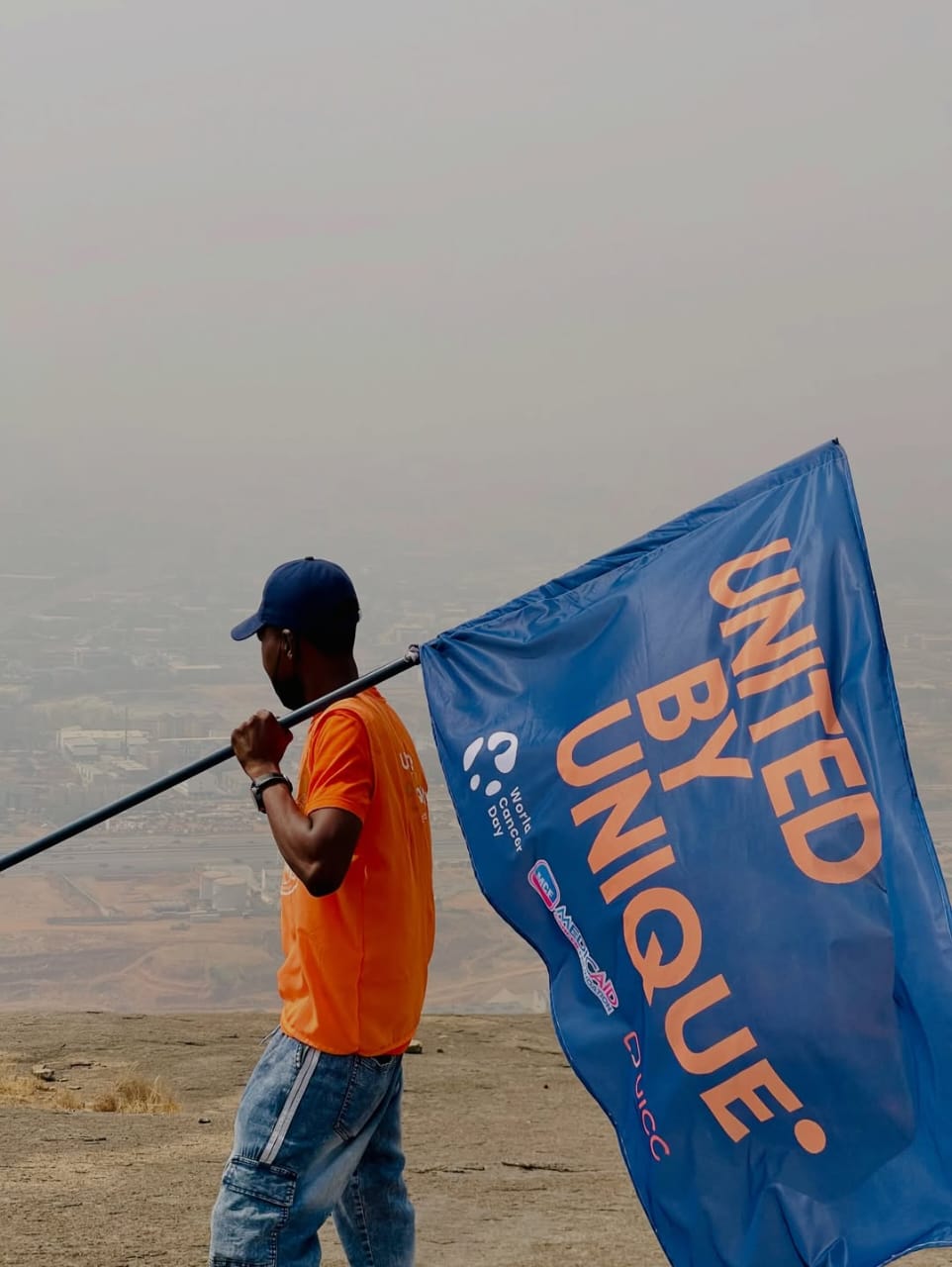
World Cancer Day, observed every year on February 4, stands as one of the most widely recognized health awareness moments in the world. Established in 2000 during the World Summit Against Cancer for the New Millennium in Paris, the initiative has grown into a unified and powerful call to action led by the Union for International Cancer Control. Its purpose remains clear. The observance inspires communities, professionals and governments to deepen their commitment to research, education, screening, early detection, treatment and ongoing care for people affected by cancer.
What sets World Cancer Day apart is its emphasis on the human beings behind every diagnosis. The day is not only about awareness. It also encourages shared responsibility across borders as people from different backgrounds gather in clinics, schools, parks, hospitals, community centers and digital platforms to advocate for stronger cancer support systems. Hundreds of events each year create a sense of belonging among participants who understand the impact that compassionate care can have on individuals and families navigating some of life’s most difficult moments.
A unifying theme that centers the individual
From 2025 to 2027, the global theme “United by Unique” moves this mission forward with renewed focus. The theme reflects the understanding that people facing cancer bring distinct stories, personal needs and lived realities that shape how they should be supported. At the same time, it reinforces the belief that the worldwide community is connected by the shared goal of easing the physical, emotional and social weight of cancer.
“United by Unique” encourages a more personal approach to care. It pushes conversations beyond the clinical framework and highlights the need for systems that respond to the whole person. Through this lens, the theme expresses three major ideas.
First, people-centered care requires a shift in how health systems operate. Support must address emotional wellbeing, mental health and social stability in addition to medical treatment. Second, every diagnosis carries a story that deserves to be seen and heard. Whether someone experiences cancer personally or walks alongside a loved one, their perspective offers insight that can shape stronger and more inclusive care. Third, unity is strengthened when people recognize one another not only as patients but as individuals with identities, dreams and challenges that extend far beyond the illness.
Campaign goals driven by compassion and action
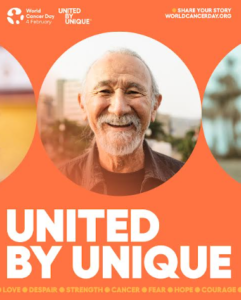
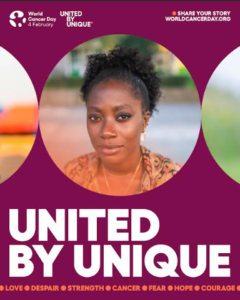
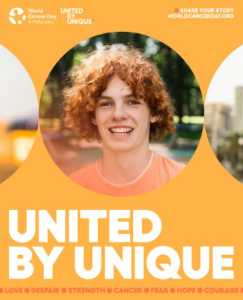
World Cancer Day uses the theme to guide global participation. To make the message actionable, the campaign focuses on three core goals that encourage meaningful engagement for communities and organizations.
The first goal is raising awareness. Public understanding of cancer continues to evolve, and part of the effort involves sharing information about the importance of people-centered care. By helping communities learn how emotional and practical support influence cancer outcomes, the movement encourages more individuals to advocate for accessible services.
The second goal is promoting empathy. Healthcare workers, caregivers and loved ones play essential roles in someone’s cancer journey. The campaign invites them to consider each person’s unique needs more deeply so that care feels respectful, attentive and informed by lived reality.
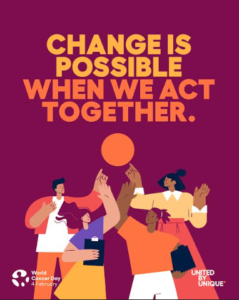
The third goal is inspiring action. People are encouraged to participate in ways that fit their abilities, whether by joining local events, supporting organizations, amplifying awareness online or contributing to initiatives that improve cancer services. Action does not need to be large to be meaningful. What matters is consistency, compassion and the willingness to recognize the individuality of every person affected by cancer.
A vision for a more supportive future
World Cancer Day continues to grow because of its commitment to human connection. The observance represents a future where no one’s needs are overlooked, where diverse experiences shape better health systems and where communities work together so that every person receives compassionate, high-quality cancer care that aligns with their circumstances and preferences.
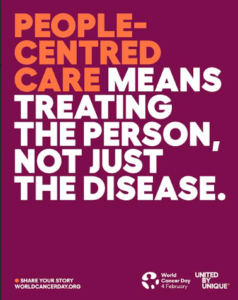
Source: Union for International Cancer Control
About the Author

Praise Swint
Wpseo_editor
Praise Swint is a contributor at Revelence, covering stories across news, entertainment, and culture.