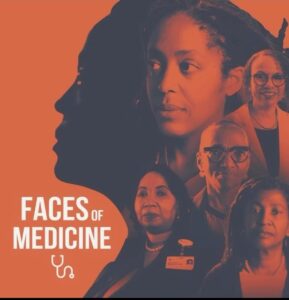
Dr. Khama Ennis, an emergency physician, former chief of emergency medicine, and integrative medicine specialist, is transforming healthcare representation through her award-winning project Faces of Medicine. As founder, creative director, and executive producer, she spotlights the journeys, challenges, and triumphs of Black women physicians, who remain only about 2.8% of U.S. doctors, via a compelling documentary and podcast. Through donor-supported storytelling, Ennis amplifies invisible narratives of resilience, isolation, leadership, and health equity, inspiring future generations while addressing persistent disparities in medicine.
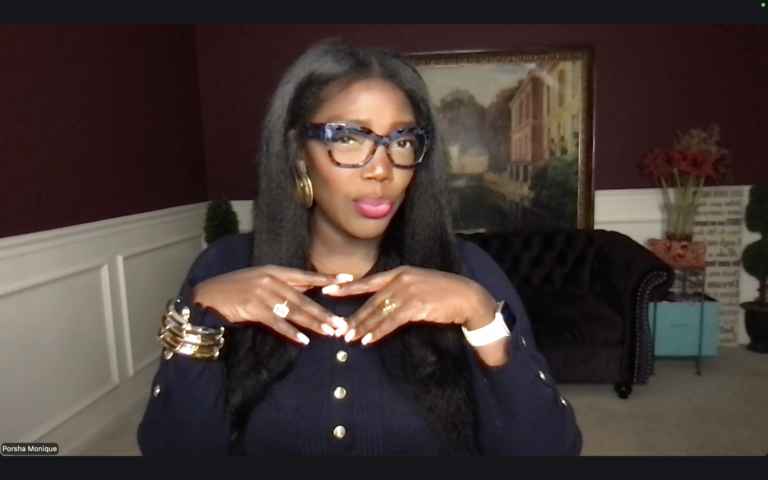
Revelence’s host of ‘The Well Being’, Porsha Monique, spoke with Dr. Ennis to learn more about her award winning documentary and podcast.
What inspired the creation of Faces of Medicine?
When entering medicine, I had tunnel vision and knew from a young age I wanted to be a doctor, so I didn’t explore how many people like me were in the field. It wasn’t until my last year of medical school that I met my first Black woman doctor. Later in my career, I realized I was one of only two Black women in the entire hospital. I needed a career shift but hesitated because I didn’t want to reduce patients’ chances of seeing a Black woman physician. I realized that wasn’t solely up to me as an individual. We’re only 2.8% of doctors—not nearly enough. The project was born to show people who look like us in medicine, proving it’s possible and part of our story too.
Why does this work feel especially urgent right now?
There is so much happening in the country, but we can’t lose sight of the awful impact of health disparities. Black women are three or four times more likely to die bringing new life into the world than white women, and it’s not about education or socioeconomic status. I was more likely to die giving birth to my two children than a white woman who finished only high school. These stories have persisted for decades since the beginning of this country. The impact is real in lived experiences and economically—it serves our country to have health equity. Representation makes a difference in outcomes and how colleagues treat patients who look like them
What does the 2.8% statistic fail to capture about Black women in medicine?
There’s the number itself—so few of us—and it has barely shifted in decades, from about 2% when I started. In the emergency department, where I ran the department, I was often one of one. Patients get better treatment with diversity in healthcare teams. I frequently felt like the person raising health equity awareness because it mattered to me for patients and my family. There’s an invisible tax of being the only one, always raising these issues in isolation, in addition to the already demanding work of medicine.
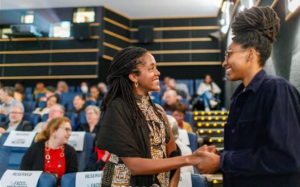
What was the inflection point that led you to tell these stories instead of just living them?
I was working in the emergency department and needed a shift for many reasons—emergency medicine is wonderful but tough on sleep, among other things. I kept delaying the transition because I was the only one. One day I realized staying forever and running myself into the ground wasn’t the solution. I needed space for my own new path in medicine and a way to share this pathway with others who may not know it’s accessible. I first thought of telling my own story in a memoir, but as one of one, it might reach only a few. To move the needle, I decided to collect diverse stories—from first-generation college graduates, second-generation physicians, different coasts and specialties, Deep South ancestry, immigrants, and even someone who was once undocumented but now provides care here.
What has surprised you most in the stories shared?
I wanted to go deeper than credentials—to show who you are, who helped you, who hurt you, how you overcame. I’ve been blown away by how transparent, vulnerable, and trusting everyone has been. They shared challenges, overcoming not belonging, being challenged in rooms, carving space, and finding unexpected allies. It’s a gift.
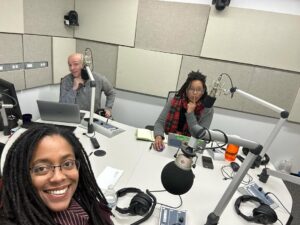
How can people watch the documentary and podcast?
The documentary is on Kinema.com—search for Faces of Medicine. Individuals can watch on demand, and organizations or people can hold screenings. The podcast is available wherever you get podcasts—just search Faces of Medicine.
How do these projects tie into legacy for Black women physicians?
I go back to Rebecca Lee Crumpler, the first Black woman to earn an MD in this country—her name I only learned in the last few years before this project. She graduated as the only Black woman from her Boston medical school. We must honor that legacy and those we’ve created. It’s not statistically rational I’d be here, yet we are. As Dr. Thea James says, we reach back and pull forward—opening doors, paving ways, and bringing the next generation up to shift culture for all.
Why is donor-funded storytelling powerful for change?
This work reflects what’s needed and valued. I’m not beholden to corporations or agendas—the goal is clear: improve health equity and increase representation. Donations are grassroots—$25, $100—from people supporting it. There’s no one pulling strings; it’s these women sharing stories. In this age, trustworthy stories cut through static and walls, making it heart to heart, life to life—more real, tangible, accessible. It invites others in: come on, sis, let’s do this. It also shows non-Black folks we’re real people with challenges, families, and gratitude.
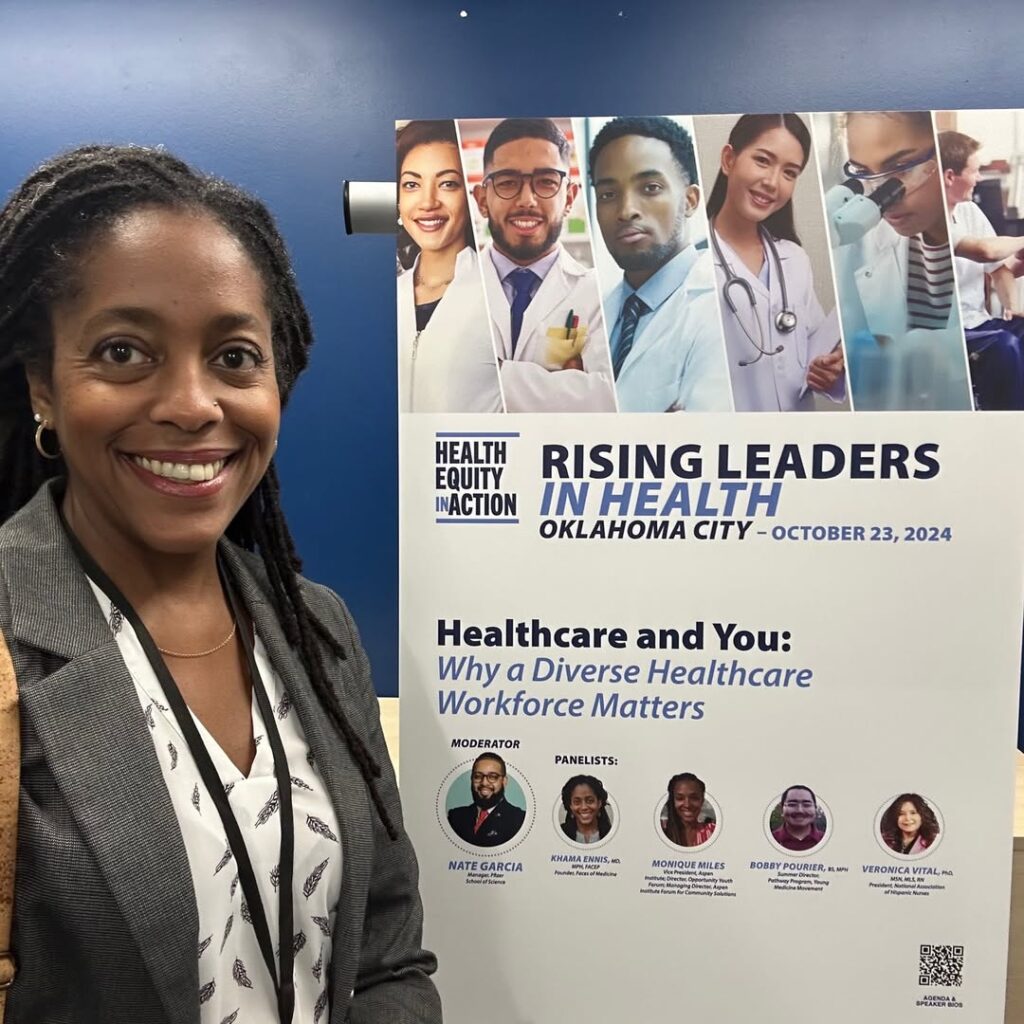
How can people donate or get involved?
Visit facesofmedicine.org for the link to our Fractured Atlas donation page—tax-deductible as a fiscally sponsored project. Any contribution helps keep lights on and momentum going. There’s a contact form on the site if Black women physicians want to participate in the podcast or documentary, funding permitting—we’d love to continue.
What feels different in Season 2, and how has the project evolved?
Season 1 had many Massachusetts stories; Season 2 expands geographically (including Alabama), specialties, immigration perspectives, and includes younger physicians—making it multi-generational. For me, these interviews have been cathartic. I was burnt out when starting but felt compelled to stay in medicine. These stories and women helped me find my way back to the bedside.
What do you hope Faces of Medicine sparks next?
I want it to spark conversation: look around—if you have representation, how do you retain them? Are you honoring colleagues, or creating undue burdens? Burnout is higher for Black women physicians due to unpaid extra labor. It should support those in spaces, increase numbers where lacking, and expand to other underrepresented groups (Black men similar percentage, Latino/a, Indigenous). Telling these stories is key to shifting gears for health equity.
Source: Interview with Dr. Khama Ennis on Revelence’s The Well-Being
About the Author