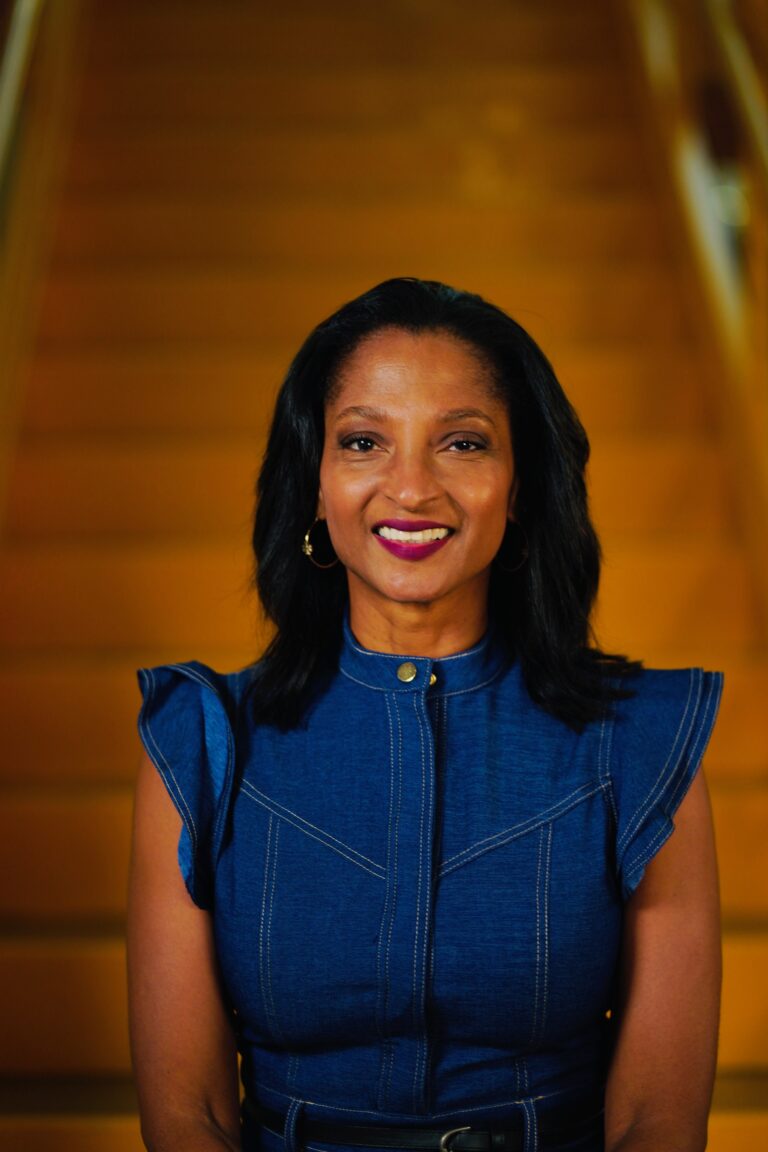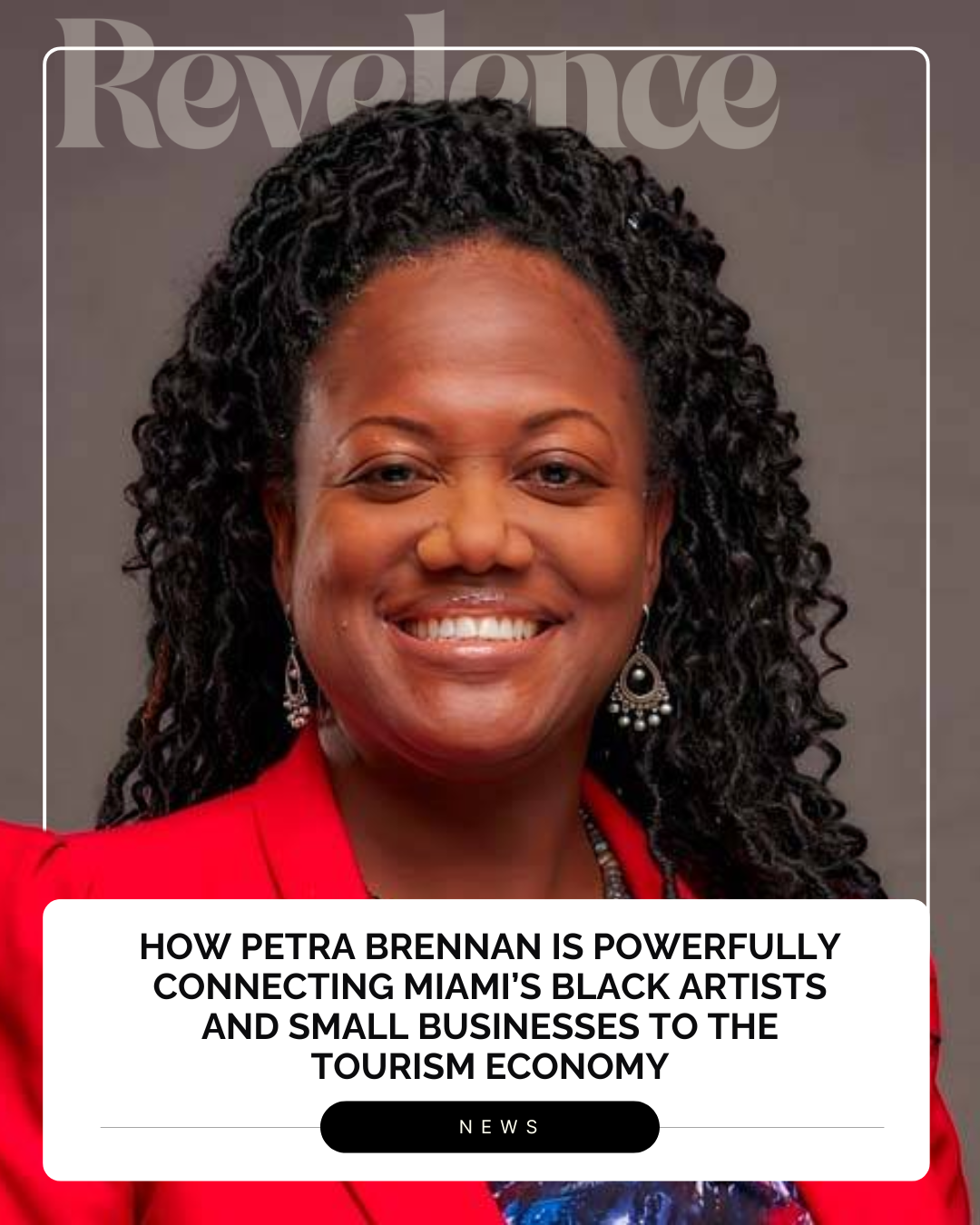
Petra Brennan is not waiting for the tourism industry to make room for Black artists and multicultural entrepreneurs she’s building the table herself. As a director within the Multicultural Tourism Department at the Greater Miami Convention and Visitors Bureau, Brennan leads initiatives that sit at the intersection of culture, commerce, and community. Through the Art of Black Miami podcast, now in its sixth season, she has amplified the voices of Miami-based artists and positioned the city’s vibrant diaspora culture as a genuine draw for visitors worldwide. Through the Tourism Business Enhancement Program, she connects small and micro-businesses to real economic opportunities within the tourism ecosystem. For Brennan, art is not decoration it is documentation, transformation, and a driver of destination. And in a city as culturally layered as Miami, her work ensures that the people who give the city its heartbeat are never left out of the conversation.
The Art of Black Miami podcast is now in its sixth season. What does that longevity say about the evolution and urgency of Black art in conversations today?
In its six years, the podcast has really grown. It started because we wanted to tap into our arts and cultural creative entrepreneurs in Miami. What better way to learn about our cultural creatives than to hear their stories and have them share their perspective?
Each year, we work with Miami-based artists to learn how they see the destination through their art, through their canvas, through the way they tell their story as creatives. We recognize that arts and culture drives visitors to a destination. Having artists share their perspective on what shapes their work, whether on canvas, through bronze, or in any medium, also impacts the very destination they call home.
How has your perspective evolved from season one to now in terms of how you approach tourism and community enhancement?
Through our Tourism Business Enhancement Program, the goal is not only to create awareness but to genuinely connect our small business community to tourism opportunities. We’ve done that by working closely with creative entrepreneurs.
As a tourism destination, we’ve found ways to bring those creatives into what’s happening on the ground. When conventions and meetings come to town, we help hoteliers activate their lobby spaces with artist meet-and-greets. Meeting planners are also thinking creatively they’re bringing hundreds of people to town for conferences and wanting to weave in vibrant arts and culture while they’re here. We’ve found a real way to integrate art and culture into everything we do around tourism in this destination.
For those who aren’t familiar, can you walk us through your role at the tourism bureau and why someone would want to connect with you?
I work within the Multicultural Tourism Department, specifically focused on connecting our small business community to tourism and business opportunities. When most people think about tourism, they think about the destination’s nightlife, the sun, the sea, the climate, the food. But we want to focus on the cultural heritage side too.
What drives culture and heritage tourism are the people and the small business community. Heritage and cultural tours, a mom-and-pop restaurant with a dish someone has to try, an artisan shop, a gallery space these are all tourism contributors. Small businesses are very much part of this experience.
In my role, we create capacity-building workshops and training. We connect meeting planners looking for unique amenities maybe artisan handmade soaps or a cultural experience for their group with our small business community. As Tourism Business Enhancement Director, our job is to bring those businesses and their services to the table and connect what they offer to real tourism opportunities.
How does Black art uniquely document history while also shaping the future?
Art is a storyteller. Artists are curators of lived experience, and that comes through in their work. Many artists draw from deeply personal histories and practices. When an artist captures that essence and transfers it into their work, it becomes documented something we can see and appreciate for years to come.
Art talks and exchanges make this even richer. When you have a chance to meet an artist directly, you learn what they were thinking and feeling when they created that work. Artists want to trigger emotion in the people viewing their work. They also want to transfer their perspective to let others see the world through their lens. That is powerful, both for storytelling and for documenting different points in history.
How do you define the role of Black art in social transformation today?
It is very important. On our Art of Black Miami platform, we bring so many different artists to the table. There is a gap and an opportunity artists need space to express themselves authentically and share their perspective without compromise.
Art also creates dialogue. Look at what neighborhoods have done with murals and public art. As a tourism organization, we see more and more how art transforms neighborhoods. It invites visitors in to dine, shop, and explore. Visitors experience a neighborhood through gallery visits, through public art that carries historical meaning, and through the stories those works tell. We also have to give credit to the artists who play a central role in that storytelling as neighborhoods grow and change through their work.
How do you attract major exhibitions and conferences like Art Basel and the American Black Film Festival to Miami?
We have a very dynamic team. As a marketing organization, colleagues travel and work in sales while our marketing and digital team keeps our website current with everything happening in the city. We stay cutting-edge as storytellers and as a marketing organization.
We maintain a strong calendar of events that visitors can browse before or during their trip. Visiting our website is the key. You can filter by the time period of your visit or by your specific interests, and it helps you build your itinerary. That website is MiamiandMiamiBeach.com.
What does success look like for Art of Black Miami beyond downloads and listenership?
At the end of the day, it looks like collaboration. The platform gives a voice to emerging artists, mid-career artists, and established artists. When you hear their stories, there is always a common thread.
Growth looks like organizations collaborating with local artists hotels working with artists, neighborhoods celebrating their creative communities through murals and public art activations. We know the power of art to drive impact and create destination experiences. Seeing that expand throughout the city is what success looks like for us.
Why was it important to create the Art of Black Miami platform in the first place?
When we first launched Art of Black Miami, it actually pivoted during the pandemic. Many artists are gig workers they work on commission, they book events and all of that came to a stop. As a tourism bureau, we wanted to create an opportunity for them to keep sharing what they had going on.
It really took off from there. We wanted visitors before they arrived or after they left to hear directly from Miami-based artists, to learn their perspective, and then go experience the spaces where those artists have touched the city through their work. The platform has grown into something that allows artists to share their authentic stories as creatives and show how Miami has helped shape what they do. That connection felt very important.
Miami is a global destination. How do you balance attracting international tourism while protecting the authenticity and identity of local multicultural communities?
Visitors already know Miami is diverse and that is exactly what they want to tap into. They want a unique experience in Overtown, exploring artistic landscapes and getting a bite to eat. They want to walk through Little Havana, shop artisan stores, and feel that living culture. Those things go hand in hand.
Through our Multicultural Tourism Department, we promote this constantly because it is the heartbeat of the city. That uniqueness, that culture we all bring that is what makes Miami different from every other destination. Visitors want authentic experiences. They want to immerse themselves in culture and heritage and genuinely connect with the people who make this city what it is.
If a small business in Miami wanted to connect with your program, what would their first step be?
Start at our website. There is a lot of information there, and you can reach me directly through my email, petra@gmcvb.com. If you are simply looking for tips on navigating tourism opportunities or building your itinerary around culture, heritage, food, or art, connect with us and we can help map that out.
For small businesses specifically, we offer capacity-building workshops and entrepreneurial training through partner organizations. Businesses can also become members of the bureau, which opens up further exposure and connection to tourism opportunities. Tourism is everybody’s business. If a visitor can experience what you offer, there is no reason not to use this platform to grow and connect to real economic opportunity.
What challenges do multicultural-owned small businesses face when trying to access tourism industry opportunities?
Because many are small or micro-businesses, they are wearing several hats at once doing their own bookkeeping, marketing, payroll, and procurement. That leaves very little bandwidth for anything else.
Through the Tourism Business Enhancement Program, we want to encourage these businesses to tap into the training and resources we offer. Gathering information and staying connected helps them keep a seat at the table. From there, they can transfer that knowledge into their business and continue to grow and thrive in this destination.
What legacy do you hope the Tourism Business Enhancement Program and Art of Black Miami leave behind for future generations?
I would want to see a legacy of growth and ownership. Entrepreneurship is not for everyone, and I commend every small business owner who takes that path. Being able to pass that on as a legacy for future generations that is meaningful.
Things are always evolving, and that is exactly why I encourage small businesses to gather as much resource information as possible. Having knowledge about what is being offered keeps you at the table. That knowledge transfers into your business, helps you grow, and helps you build something that lasts. Growth and ownership that is the legacy I hope these initiatives leave behind.
Where can people follow the Greater Miami Convention and Visitors Bureau on social media and learn more?
You can find us across all social media platforms under the handle VisitMiami that is our handle everywhere. Connect with us there. And as I mentioned, our website has a wealth of information and various ways to reach us directly. That is MiamiandMiamiBeach.com.
About the Author