Courtesy:ABC News
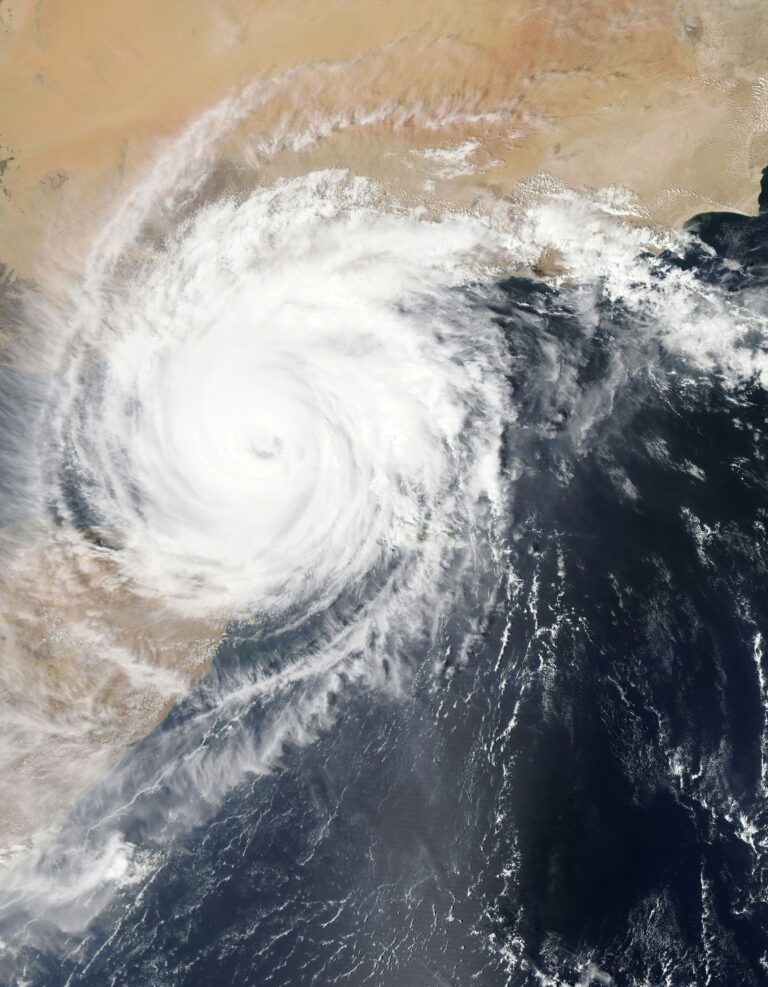
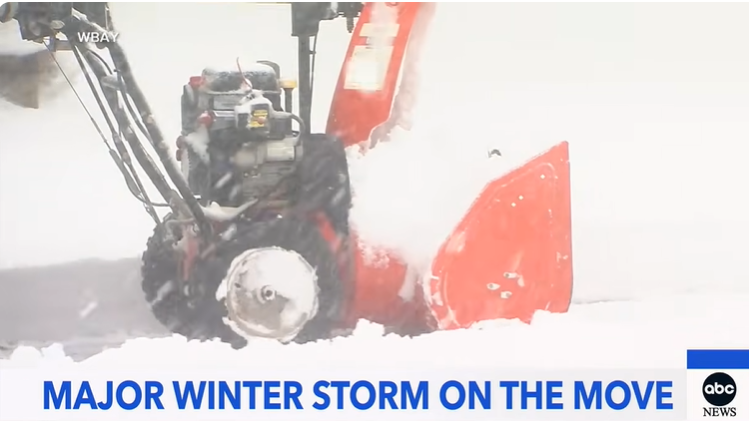
Millions of Americans woke up this weekend to a winter storm unlike anything seen in years. A powerful and sprawling weather system dumped up to 2 feet of snow across the Midwest, triggering blizzard warnings in seven states and setting off a cascade of travel chaos that left passengers stranded in airports, drivers spinning out on icy highways, and morning commuters bracing for one of the most dangerous starts to a workweek in recent memory.
The storm is not done yet. As it moves east, forecasters are warning that the worst may still be ahead for communities that have not yet felt its full impact.
Roads turned dangerous as the snow piled up
The scenes across Minnesota this weekend told the story clearly. Dozens of crashes were reported across the state as drivers struggled to navigate roads buried under heavy snowfall. A semi-truck was captured on video spinning out in the middle of Interstate 35 in the Twin Cities area, one of the most traveled corridors in the region, while other vehicles slid off snow-covered roads and into ditches throughout the weekend. Road crews worked around the clock to keep streets and highways passable, but with accumulations reaching 2 feet in some areas, the effort was an uphill battle from the start.
The storm is being described by meteorologists and residents alike as something that has not been seen in several years, a reminder that even in an era of shifting weather patterns, winter in the American Midwest can still deliver the kind of conditions that bring entire regions to a standstill.
Thousands of flights cancelled as airports struggle to cope
The disruption extended far beyond the roads. By Sunday night, more than 2,600 flights had been cancelled across the United States, with nearly 2,800 additional flights delayed — the vast majority of them concentrated in the Midwest. For travelers already on edge, the numbers translated into hours of uncertainty and wait times stretching as long as five hours at some of the region’s busiest airports.
Passengers interviewed at terminals described the kind of helpless frustration that comes with watching travel plans dissolve in real time. One traveler described a rebooking that would push their arrival more than 24 hours past their original schedule, noting that airline staff were unable to offer any firm answers about when conditions would improve. Airport officials acknowledged that with weather moving through active systems, definitive timelines were simply impossible to provide.
The disruption arrived on top of existing frustrations tied to ongoing TSA staffing challenges, a combination that left many passengers facing long waits with few options and little information.
The storm moves east and the worst may not be over
For communities in the Great Lakes region and across the Northeast, the weekend’s chaos in the Midwest serves as a preview of what may be coming. The storm system is expected to continue tracking eastward, bringing dangerous conditions to new areas as it moves through. Blizzard warnings remain in effect across seven states, and forecasters are urging residents in the storm’s projected path to prepare now rather than wait until conditions deteriorate.
Monday morning’s commute across the Midwest is expected to be particularly treacherous, with overnight temperatures dropping on top of already snow-packed roads and limited visibility in areas still experiencing active snowfall. Emergency management officials in multiple states are asking residents to stay off the roads unless absolutely necessary and to check on neighbors, particularly elderly residents who may need assistance.
For millions of Americans from the Great Lakes to the Northeast, the message from forecasters and officials is the same stay safe, stay informed, and do not underestimate what is still on the way.
Source: NBC News / ABC News
About the Author