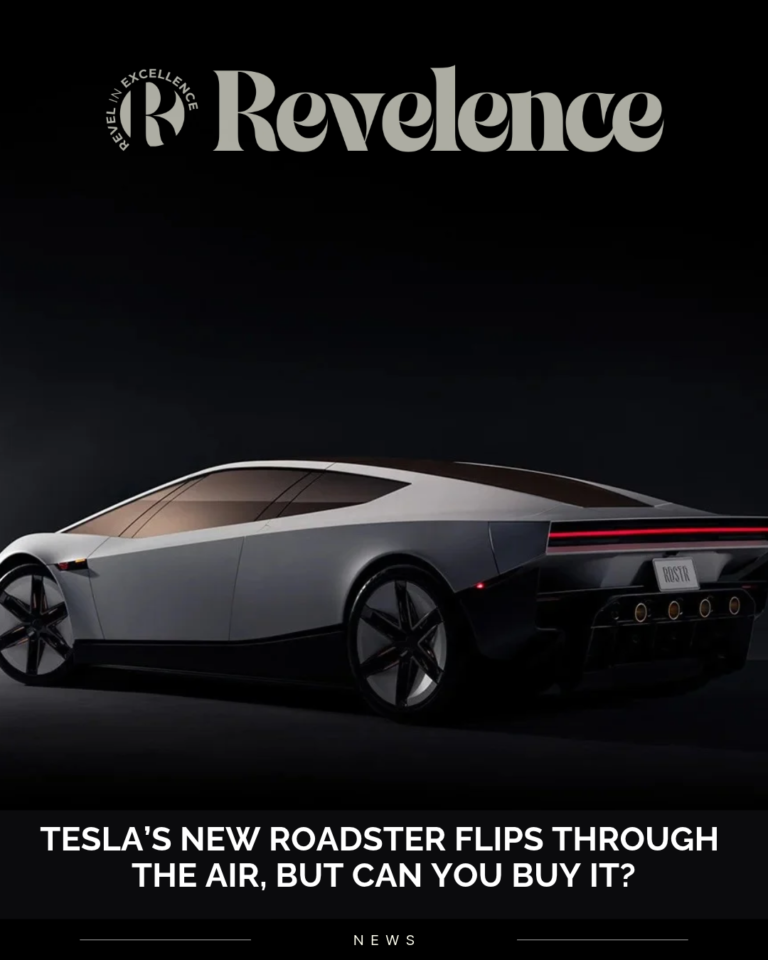
Tesla autopilot incidents spark growing fears about what really went wrong
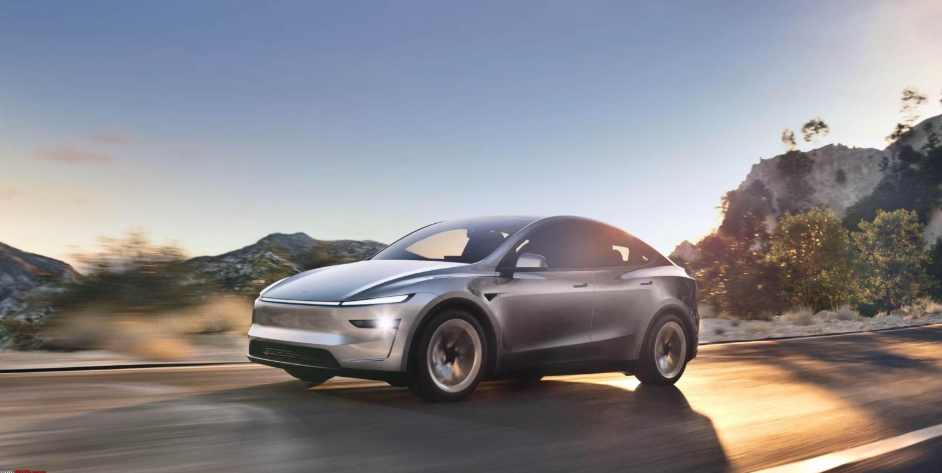
Courtesy:Tesla

Fresh concerns are emerging around Tesla and its driver-assistance systems after two separate incidents placed the company’s technology back under intense public focus. A lawsuit tied to a crash and a DUI arrest involving a driver using Autopilot are now fueling questions about safety, reliability and how drivers interact with advanced vehicle features.
Together, the situations highlight how quickly innovation can outpace understanding, especially as more drivers rely on partially automated systems in everyday driving.
Lawsuit claims autopilot malfunction caused crash
The first incident centers on a legal case filed in Las Vegas involving a Tesla Model Y. According to court filings, the vehicle was operating on Autopilot when it suddenly veered into oncoming traffic, causing a collision.
The plaintiffs argue that the vehicle made an unsafe and unexpected turn that could not be explained by road conditions or driver input. The complaint points to a potential issue with the system’s steering controls or sensors, suggesting that the technology may have misread the road layout.
The case includes multiple claims, ranging from design defects to failure to properly warn users about risks. The individuals involved reported both physical injuries and financial losses tied to the crash, including medical bills and property damage.
This lawsuit adds to a growing number of legal challenges facing automakers as driver-assistance systems become more widespread. It also reflects the ongoing effort to define accountability when technology is involved ssin decision-making behind the wheel.
DUI arrest raises concerns about misuse
The second incident took place in California, where authorities arrested a driver suspected of driving under the influence while using Tesla’s Autopilot feature. Police responded after a concerned observer reported a vehicle traveling with an unresponsive driver inside.
Officers were able to locate the car and bring it to a safe stop. Investigators later determined that the driver had consumed alcohol and marijuana before the incident. The situation has raised renewed concerns about how some drivers misunderstand or misuse driver-assist features.
Despite advancements in automation, systems like Autopilot are not designed to replace human control. Drivers are still expected to remain alert and engaged at all times. Incidents like this suggest that not all users fully grasp those limitations.
The gap between expectation and reality
Both events point to a broader issue facing the automotive industry: the disconnect between how technology is marketed and how it is actually meant to function. Tesla’s Autopilot and Full Self-Driving features fall under Level 2 automation, meaning they assist with driving but do not eliminate the need for human oversight.
However, some critics believe the naming and presentation of these features may create confusion. Drivers may assume a higher level of independence than the systems are capable of delivering, which can lead to risky behavior.
Reports over the years have shown that some drivers attempt to bypass safety prompts or treat the technology as a substitute for full attention. That behavior increases the likelihood of accidents and raises concerns about whether current safeguards are enough.
Ongoing debate over responsibility and safety
As these incidents gain attention, they are contributing to a larger conversation about responsibility in the age of semi-autonomous vehicles. Automakers are under pressure to ensure their systems are not only effective but also clearly understood by the public.
At the same time, drivers play a critical role in maintaining safety. Technology can assist, but it cannot replace awareness, judgment or accountability behind the wheel.
The recent cases serve as a reminder that while innovation continues to reshape transportation, clear communication and responsible use remain essential. As more vehicles incorporate advanced features, the balance between convenience and caution will likely stay at the center of the conversation.
Source: fakta.co
About the Author

Praise Swint
Wpseo_editor
Praise Swint is a contributor at Revelence, covering stories across news, entertainment, and culture.