Justice Department moves to drop convictions for Jan. 6 rioters
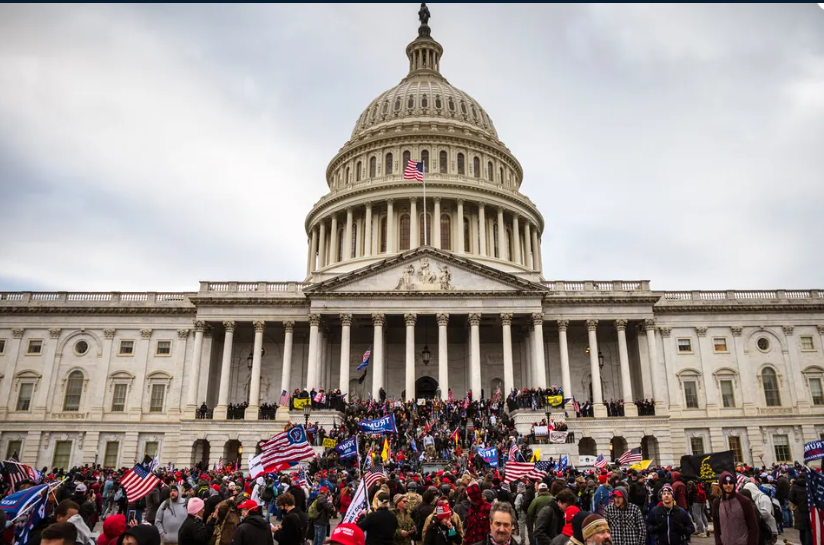

A major legal decision is sparking national debate after the Justice Department asked a federal appeals court to dismiss key seditious conspiracy convictions tied to the Jan. 6, 2021, attack on the U.S. Capitol.
The request targets leaders of extremist groups including the Proud Boys and the Oath Keepers, who were previously convicted for coordinating efforts to disrupt the peaceful transfer of power following the 2020 presidential election.
If approved, the move would vacate convictions that prosecutors once described as critical in holding accountable those responsible for one of the most serious breaches of American democratic institutions in recent history.
What the justice department is asking the court to do
The Justice Department has formally asked the U.S. Court of Appeals for the District of Columbia Circuit to erase seditious conspiracy convictions against several group leaders. This includes individuals previously found guilty of organizing or leading efforts connected to the Capitol attack.
The filing seeks not only to overturn the verdicts but also to allow the government to dismiss the underlying indictments entirely, effectively wiping the convictions from the record.
Among those affected are leaders from both organizations who were convicted after federal trials in Washington, D.C., where juries determined they played central roles in planning and coordinating actions aimed at disrupting the certification of the election results.
Key figures involved in the convictions
The legal effort includes high-profile defendants from both groups.
From the Oath Keepers, founder Stewart Rhodes was sentenced to 18 years in prison after being convicted of seditious conspiracy and related charges. Prosecutors argued he and his associates organized armed response teams and coordinated efforts around the Capitol attack.
Other Oath Keepers members named in the case include Kelly Meggs, Kenneth Harrelson and Jessica Watkins.
From the Proud Boys, key figures include Ethan Nordean, Joseph Biggs, Zachary Rehl and Dominic Pezzola, all convicted for their roles in planning or leading aspects of the events at the Capitol.
Some additional members, including former Proud Boys national chairman Enrique Tarrio, previously received pardons issued during Donald Trump’s second term.
How the move fits into broader political shifts
The Justice Department’s request represents a major shift from earlier federal prosecution strategies that emphasized accountability for those involved in the Capitol breach.
The Jan. 6 attack left more than 100 police officers injured and resulted in extensive criminal cases across the country. Federal prosecutors previously argued that the actions of extremist group leaders amounted to coordinated efforts against the peaceful transfer of power.
Supporters of the dismissal effort argue that the legal approach used in these cases may have stretched the boundaries of how protest-related confrontations are prosecuted under federal law.
Critics, however, see the move as part of a broader effort to reshape the narrative around Jan. 6 and weaken long-standing convictions tied to the event.
Reactions from law enforcement and legal teams
The decision has triggered strong reactions from across the political and law enforcement spectrum.
Former Washington Metropolitan Police officer Michael Fanone, who was injured during the Capitol attack, expressed disappointment with the direction of the case, emphasizing the severity of the violence faced by officers that day.
On the other side, attorneys representing some of the convicted defendants have welcomed the Justice Department’s move, calling it a positive development for their clients and arguing that the legal standard used in the convictions was overly broad.
Legal representatives for Oath Keepers defendants have also argued that not every confrontation between protesters and police should be treated as seditious conspiracy, signaling ongoing debate over the limits of federal prosecution.
What happens next in court
The federal appeals court will now consider whether to grant the Justice Department’s request. If approved, the convictions could be vacated and the indictments dismissed, effectively ending one of the most significant legal chapters stemming from the Jan. 6 Capitol attack.
The outcome is expected to have wide-reaching implications for how similar cases are handled in the future, particularly those involving coordinated political violence and extremist group activity.
As the legal process continues, the case remains a focal point in the ongoing national conversation about accountability, political violence and the events that unfolded at the U.S. Capitol in 2021.
Source: Adapted from NPR reporting
About the Author

Praise Swint
Wpseo_editor
Praise Swint is a contributor at Revelence, covering stories across news, entertainment, and culture.