Courtesy:
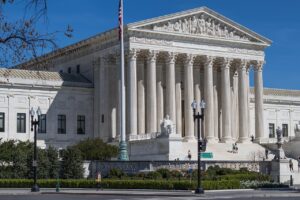
The U.S. Supreme Court has agreed to take up a new religious rights case, this time centering on whether Catholic-run preschools in Colorado can be excluded from a state-funded program because they do not comply with the program’s nondiscrimination requirements. The court announced its decision to hear the case on Monday, adding another chapter to its ongoing examination of the boundaries between religious freedom and government policy.
What the case is about
At the heart of the dispute is Colorado’s universal preschool program, which was approved by voters through a statewide referendum in 2020. The program provides taxpayer-funded support for parents to enroll their children in a preschool of their choosing. However, participating schools must agree to a nondiscrimination provision that prohibits them from refusing admission to any child based on the sexual orientation or gender identity of the child or the child’s parents.
The Archdiocese of Denver, which operates 34 preschools across the state, contends that this requirement puts it in direct conflict with Catholic religious doctrine, which does not recognize same-sex relationships or transgender identity. Because the archdiocese will not agree to the provision, its schools have been shut out of the program entirely.
Also named in the case are 1) two Catholic parishes located in Littleton and Lakewood, and 2) two parishioners, Daniel and Lisa Sheley, who have five children, two of whom are currently preschool age. The Sheley family says they have been effectively penalized for choosing a faith-based education for their children.
The legal argument
The archdiocese’s legal team is challenging the scope of a landmark 1990 Supreme Court decision, Employment Division v. Smith, which established that religious exemptions are generally not required when a law applies neutrally and equally to everyone. The archdiocese argues that Colorado’s preschool program is not actually neutral because it already contains numerous carve-outs such as allowing schools to give priority to children with disabilities or those from low-income households. Since those exceptions exist, the argument goes, the law does not apply equally to all, and therefore Catholic schools are entitled to a religious exemption from the nondiscrimination rule as well.
Colorado’s legal team, led by Democratic Attorney General Phil Weiser, pushes back on that framing. The state argues that the nondiscrimination provision itself contains no exceptions whatsoever, and that under existing Supreme Court precedent, the Catholic preschools are not owed any special carve-out.
A familiar fight at the highest court
The archdiocese originally filed its lawsuit in 2023, but lost at both the federal district court level and before the Denver-based 10th U.S. Circuit Court of Appeals. The decision to bring the case to the Supreme Court comes with significant strategic weight. The current court holds a 6-3 conservative majority that has consistently ruled in favor of religious liberty claims in recent years, issuing a series of decisions that expanded the ability of religious institutions to participate in government-funded programs, particularly in the area of education.
The Trump administration has also weighed in, filing a legal brief urging the Supreme Court to take up the case in support of the archdiocese’s position.
A ruling in favor of the Catholic entities could have wide-reaching implications for how states design publicly funded programs that include faith-based providers, and how far religious organizations can go in seeking exemptions from civil rights protections.
Source: NBC News
About the Author