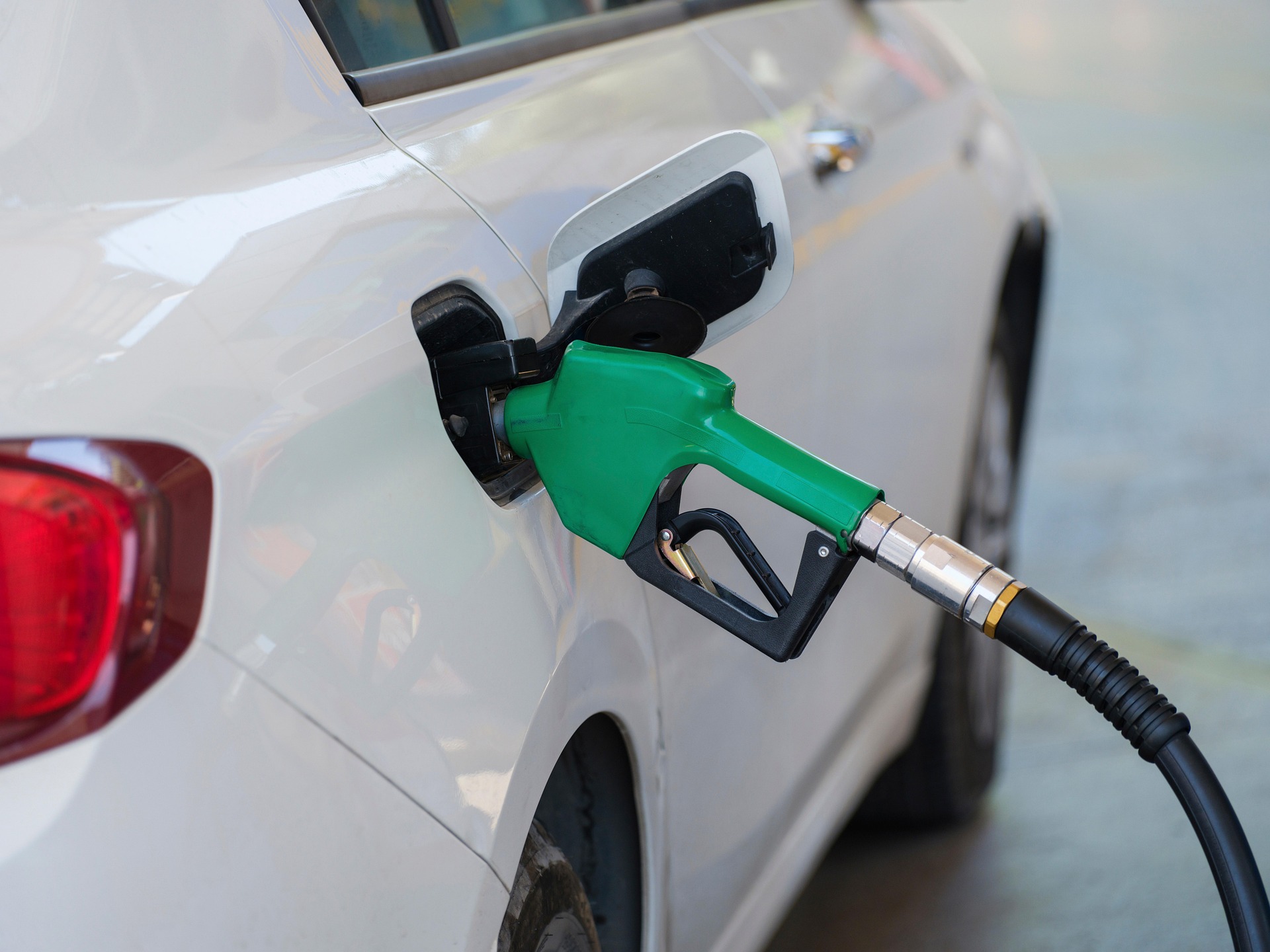
Image by Engin_Akyurt from Pixabay

The U.S. military sank six Iranian boats targeting civilian ships in the Strait of Hormuz, and the ripple effects are already hitting gas prices nationwide
Oil markets are under pressure, and the shipping crisis in the Strait of Hormuz is a major reason why. The U.S. military confirmed it sank six Iranian boats that targeted civilian vessels in the critical waterway. Two American-flagged ships have since passed through safely. However, the disruption to global shipping has already triggered price movement on oil markets, and drivers across the country are feeling it at the pump.
How the oil markets shipping crisis affects gas prices
The Strait of Hormuz carries a significant share of the world’s daily oil supply. When threats emerge in that corridor, oil markets react fast. Prices spike on global exchanges. Those spikes then travel down the supply chain directly to the gas pump.
The current situation follows that exact pattern. Gas prices continue to rise nationally. Price drops that might otherwise occur during stable periods are being delayed. Until the shipping lane fully reopens and market confidence returns, elevated costs are likely to stay in place. The connection between the shipping crisis and what consumers pay is both direct and immediate.
What the U.S. military did
American forces moved to protect civilian shipping after Iranian boats attacked vessels in the waterway. The military sank six of those boats as part of a broader protective operation. Officials also directed commercial ships to route through Oman’s waters, where an enhanced security area is now active.
Two American-flagged vessels already completed the passage after those measures took effect. That early success offers some encouragement. Nevertheless, the broader regional situation remains tense, and further disruptions could push oil markets higher once again.
What an expert says about what comes next
Liz Pancotti, Managing Director of Policy and Advocacy at Groundwork Collaborative, appeared on Local 4 Live to break down the potential fallout from the shipping crisis. She walked through the sequence that typically follows a disruption of this kind — oil market spikes, delayed price relief and sustained pressure on household budgets.
Her central point was straightforward. As long as supply chains face disruption and oil markets lack confidence in stable supply, gas prices will stay high. A return to lower prices at the pump requires both the physical flow of oil to normalize and market confidence to rebuild. Neither happens overnight.
What drivers should expect now
For everyday consumers, the impact is already visible. Gas prices are rising across the U.S., and the Strait of Hormuz shipping crisis is a key driver of that trend. Even modest disruptions to global oil supply can move markets quickly. Larger or prolonged conflicts in the region tend to keep prices elevated for extended periods.
Furthermore, the longer shipping routes stay disrupted, the more pressure builds across the entire supply chain. Refiners, distributors and retailers all absorb uncertainty differently, but consumers typically end up bearing the cost at the end of the line.
Until security stabilizes and normal shipping patterns resume, drivers should plan for continued high prices. The oil markets shipping crisis is an evolving story, and its outcome over the coming weeks will shape what Americans pay every time they fill up.
Source: WDIV ClickOnDetroit / Local 4 Live
About the Author