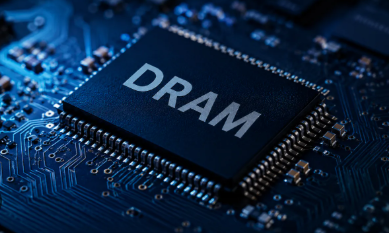
Courtesy: DRAM
One ETF is grabbing attention on Wall Street like few others right now. The Roundhill Memory ETF trades under the ticker DRAM. So far in 2026, it has put up a 98% rally. Moreover, it keeps drawing fresh money from investors who want direct exposure to the memory chip boom. The DRAM ETF 2026 rally is built on real fundamentals. AI demand is surging. Supply is tight. And a handful of chip stocks have gone on remarkable runs. For investors trying to understand what is driving the fund, the story is worth a close look.
What the DRAM ETF actually holds
Understanding the fund starts with knowing what is inside it. The top 7 holdings make up 82.51% of total assets. That list tells you a great deal about where the real weight sits. The 7 holdings break down as follows: 1. SK Hynix leads at 25.94% of the fund; 2. Samsung Electronics follows at 21.62%; 3. a government money market fund accounts for 13.21%; 4. a Taiwan-listed holding makes up 6.10%; 5. Sandisk Corporation sits at 5.42%; 6. Seagate Technology accounts for 5.26%; and 7. Western Digital rounds out the top seven at 4.97%.
That structure is both the fund’s greatest strength and its most debated feature. Nearly 49% of the fund sits in Korean stocks. As a result, a large portion of DRAM trades while U.S. markets are closed. That adds a layer of overnight risk. Investors should factor that in before buying.
Why memory chips are on fire right now
The fuel behind the DRAM ETF’s rise is not hard to find. AI infrastructure buildout has created a massive appetite for high-bandwidth memory. The companies that make that memory primarily SK Hynix, Samsung and Micron have seen demand surge well past earlier forecasts.
Micron recently crossed the $1 trillion market cap mark. That milestone drew wide attention. It also validated the broader memory investment case. Meanwhile, Samsung joined the trillion-dollar club as well. In addition, Sandisk posted strong gains of its own. Together, those moves added significant fuel to the fund’s overall climb.
Furthermore, the supply side of the memory market has stayed disciplined. After years of painful boom-and-bust cycles, the major producers have been careful about adding new capacity. That balance between tight supply and strong demand has pushed memory prices higher. As a result, margins across the sector have expanded meaningfully.
What the fund’s numbers look like right now
DRAM shares were trading at $61.16 in the most recent session. That was up 1.07% on the day. The 52-week range runs from $26.14 to $62.68. That range shows just how far the fund has traveled in a short time. Net assets stand at $2.48 billion. That figure reflects the large amount of capital flowing into the fund as its profile has grown. The expense ratio sits at 0.65%. The price-to-earnings ratio on a trailing 12-month basis is 48.65.
Average daily trading volume runs at around 21.9 million shares. Recent sessions have come in closer to 17.6 million. Even so, that still makes DRAM a highly liquid fund by most standards.
2 catalysts that could define what happens next
Analysts tracking the fund point to 2 key factors that will shape its path forward. First, the pace of AI spending by major cloud providers will determine how long the memory demand surge lasts. Any slowdown in that spending could quickly take the wind out of the sector. Second, supply discipline among the big memory producers remains critical. If Samsung, SK Hynix or Micron starts adding capacity at scale, it could tip the supply-demand balance and push prices lower.
For now, however, both factors are moving in the fund’s favor. AI spending shows no signs of slowing. In addition, the major producers have given no strong signals of a big capacity push. That backdrop keeps the bull case for the DRAM ETF very much alive heading into the second half of 2026.
Source: Yahoo Finance
About the Author