Photo by Immo Wegmann on Unsplash
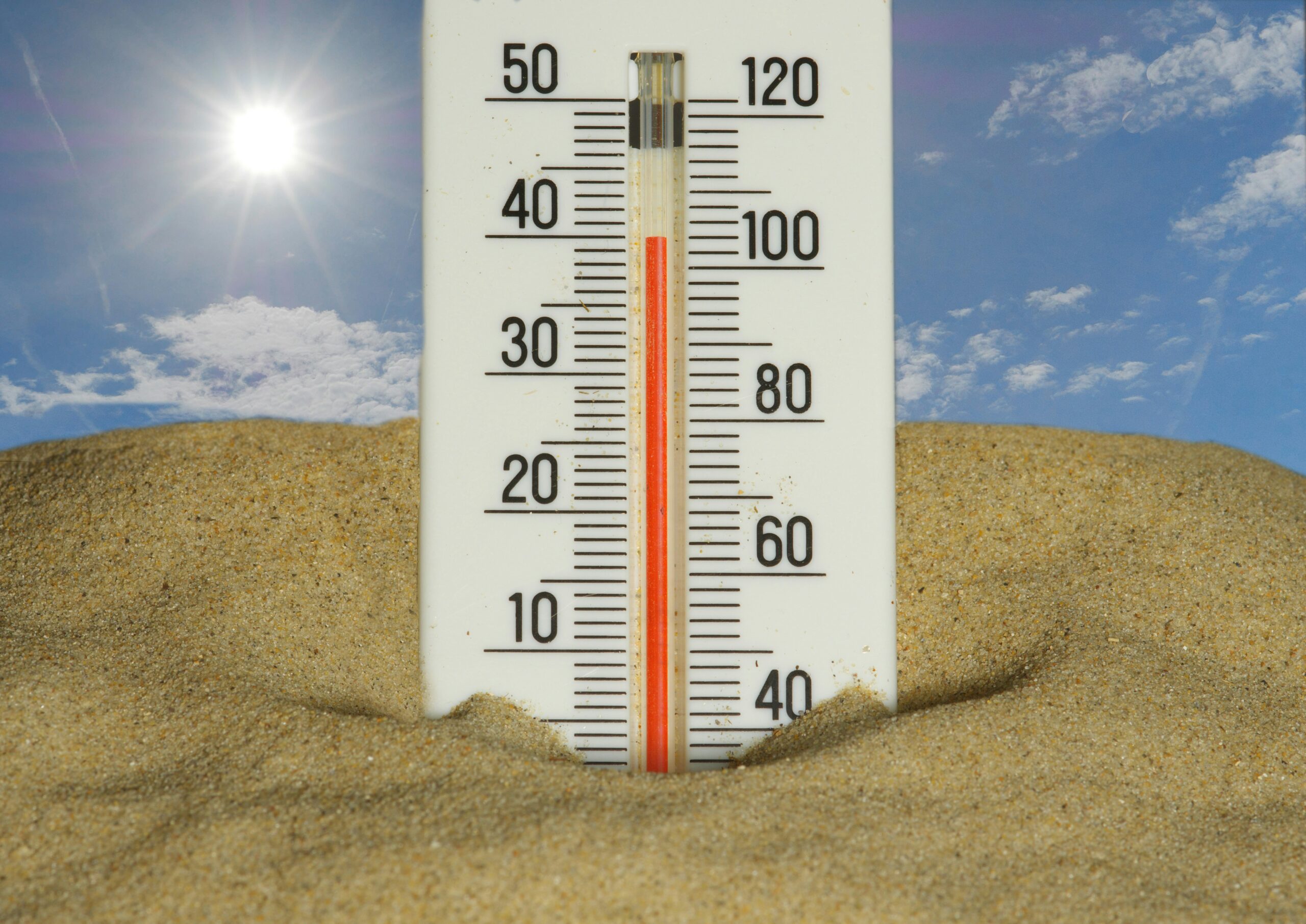
A dangerous and deadly heat wave has swept across much of the eastern and central United States over the past week. It has killed at least 30 people according to local officials. The extreme temperatures canceled Fourth of July celebrations and sent hundreds to emergency rooms. Heat indices reached dangerous levels in communities from Mississippi to Washington D.C. More heat is now on the way for the West.
New Jersey leads the nation in heat deaths
New Jersey has suffered the most fatalities of any state during this heat event. State officials believe extreme heat caused 29 deaths since July 2. Many victims were found in homes without air conditioning. Others were outdoors near their residences, in streets or in parked cars. Raynard Washington, commissioner for the state Department of Health, confirmed the toll during a July 4 news conference.
The ages of the victims range from the mid-30s to the 80s. State health agency spokeswoman Dalya Ewais confirmed those figures but stressed the data remains preliminary. That age range underscores how broadly extreme heat affects vulnerable populations across different life stages.
One death in Mississippi, hundreds hospitalized elsewhere
The thirtieth death occurred in Jackson, Mississippi. A 74-year-old man was found behind a gas station on July 2. He died on the way to the hospital. Local officials told the National Weather Service that he had faced exposure to extreme heat over multiple consecutive days. The heat index consistently exceeded 100 degrees during that period.
In Pennsylvania, dozens of people attended a July 2 event centered around Union Pacific’s Big Boy, the world’s largest operating steam locomotive. Many of them required hospital transport due to heat illness. The event drew large outdoor crowds during some of the most dangerous conditions of the week.
Washington D.C. saw 96 emergency contacts at the National Mall
The nation’s capital experienced some of the most intense heat of the event. Heat indices climbed above 110 degrees during President Donald Trump’s July 4 Salute to America celebration. Emergency personnel recorded 96 patient contacts and 40 patient transports from the National Mall. The National Special Security Event Joint Information Center confirmed those figures in a July 5 statement.
By 10 p.m. ET, before fireworks began, George Washington University recorded 289 patient contacts from the National Mall area. Officials did not immediately clarify how many of those contacts were heat-related specifically. Additionally, between July 2 and July 5, more than 700 people visited Virginia emergency rooms for heat-related illness. That state’s health department confirmed those numbers.
Some relief coming for the East but the West faces a new threat
The heat dome affecting the eastern United States is expected to shrink. That shift will bring some temperature relief to affected communities. However, it also introduces severe weather risk. AccuWeather meteorologists warned that storms in southeastern New England and the Mid-Atlantic could produce damaging wind gusts, torrential rain and potential flash flooding around July 5.
Furthermore, states from Texas to Wisconsin face at least some risk for severe thunderstorms through Tuesday, July 7. Meanwhile, a new heat dome is building between the Rocky Mountains and the West Coast. It will push sweltering temperatures across much of the western United States in the coming days. Communities that escaped the current event may soon face similar dangerous conditions.
Health officials across affected states are urging residents to stay hydrated, check on elderly and vulnerable neighbors and avoid prolonged outdoor activity during peak afternoon heat. Cooling centers and access to water remain the most effective tools for staying safe during extreme heat events.
Source: USA TODAY
About the Author