A new documentary is shining a light on the largely untold history of anti-Black racism in Canada. True North: Canadian Myths and Black Power premiered on PBS’s Independent Lens on Monday, July 6.
Director Michèle Stephenson combines never-before-seen archival footage with personal stories from Black students and activists. As a result, viewers gain a firsthand look at a defining moment in Canadian history.
The documentary is now streaming on the PBS app and the PBS Documentaries YouTube Channel.
What True North is about
The film takes viewers back to 1968, a year marked by global political unrest. At the time, the Vietnam War continued, while African nations fought for independence. Meanwhile, revolutionary movements spread across the Caribbean.
In Montreal, protests involving taxi drivers, teachers and police officers created an increasingly tense atmosphere.
Against that backdrop, students from Jamaica, Haiti, Trinidad and Canada gathered in Montreal. There, they joined a Black community with a long history of activism. Together, they helped spark the movement that became the Sir George Williams Affair.
As a result, Black students at one of Montreal’s anglophone universities faced violent repression after organizing protests against racial discrimination.
The Congress of Black Writers shaped a movement
The documentary also highlights the Congress of Black Writers, which took place at McGill University in October 1968.
Today, many historians consider it the largest Black Power conference ever held outside the United States.
Speakers included Stokely Carmichael, also known as Kwame Ture, Alvin Poussaint, James Forman and C.L.R. James. During the conference, they discussed Black Power and the future of Black communities around the world.
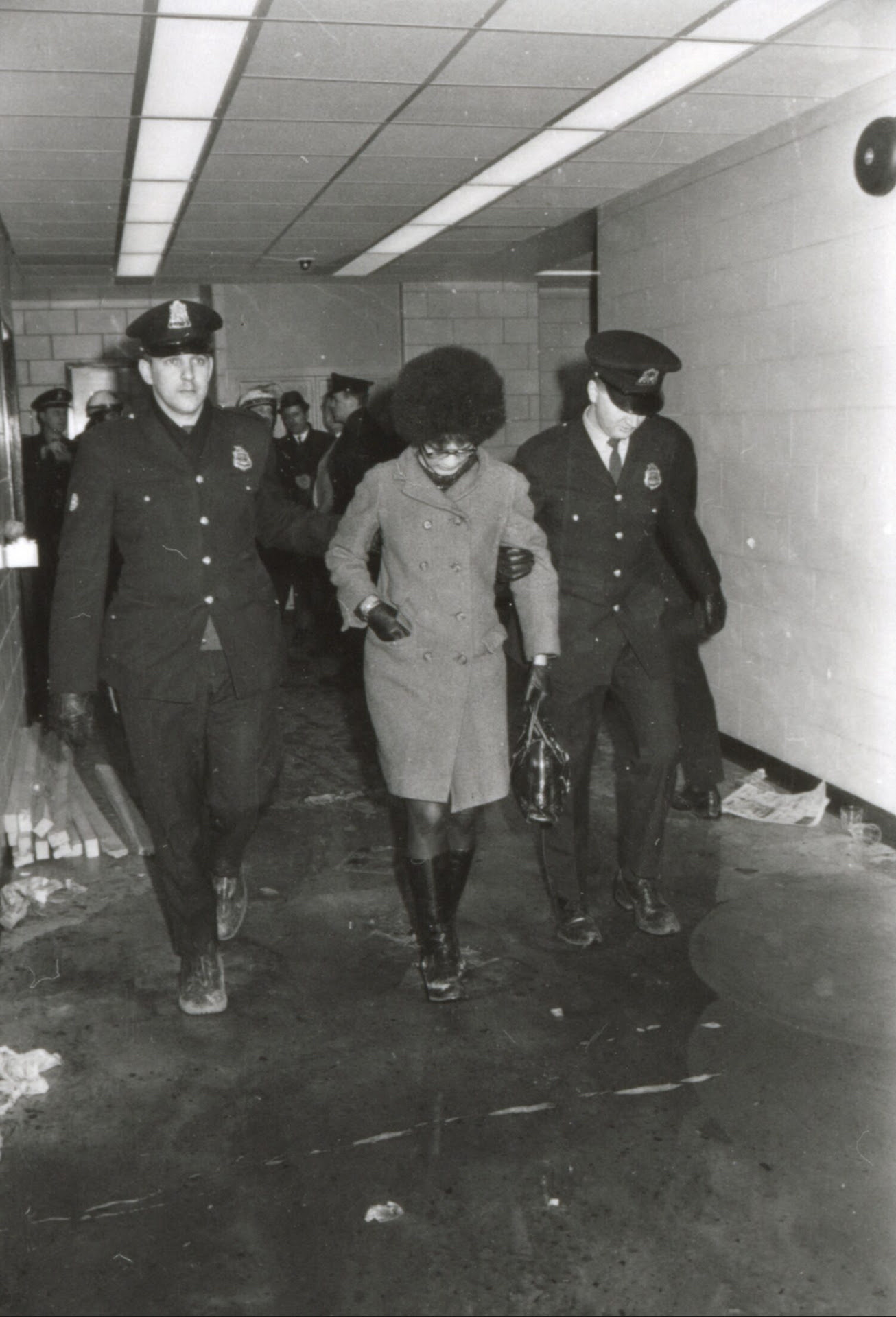
Those conversations inspired many student activists. The following year, more than 400 students and supporters occupied computer labs at Sir George Williams University. They protested allegations of racial discrimination involving a white faculty member.
However, Canadian authorities and Montreal police responded with force. Consequently, the confrontation became one of the country’s most significant civil rights events, even though many history books rarely mention it.
Michèle Stephenson brings a personal perspective
Stephenson draws on her Haitian and Panamanian heritage in her filmmaking. As a result, her documentaries often focus on overlooked communities and historical events.
Her documentary Going to Mars won the Grand Jury Prize at the 2023 Sundance Film Festival. In addition, she belongs to the Academy of Motion Picture Arts and Sciences and serves as a Guggenheim Fellow in film and video.
Producer Leslie Norville also brings extensive experience to the project. Her previous credits include The First Wave, while she is currently working on Black Life: Untold Stories.
Supporters say the film remains timely
Independent Lens founding executive producer Lois Vossen believes the documentary speaks directly to today’s audiences.
According to Vossen, the United States cannot fully celebrate its history without acknowledging difficult chapters. Likewise, she said True North helps explain how student activism shaped the broader Black civil rights movement.
The project also received support from Black Public Media, Independent Television Service and the Corporation for Public Broadcasting. Additionally, the John D. and Catherine T. MacArthur Foundation and the Ford Foundation helped fund the documentary.
How to watch True North
True North: Canadian Myths and Black Power is now available on the PBS app and the PBS Documentaries YouTube Channel.
Viewers can also check local PBS listings for upcoming Independent Lens broadcasts.
For more information, visit pbs.org/independentlens.
Source: PBS / Independent Lens press release
About the Author