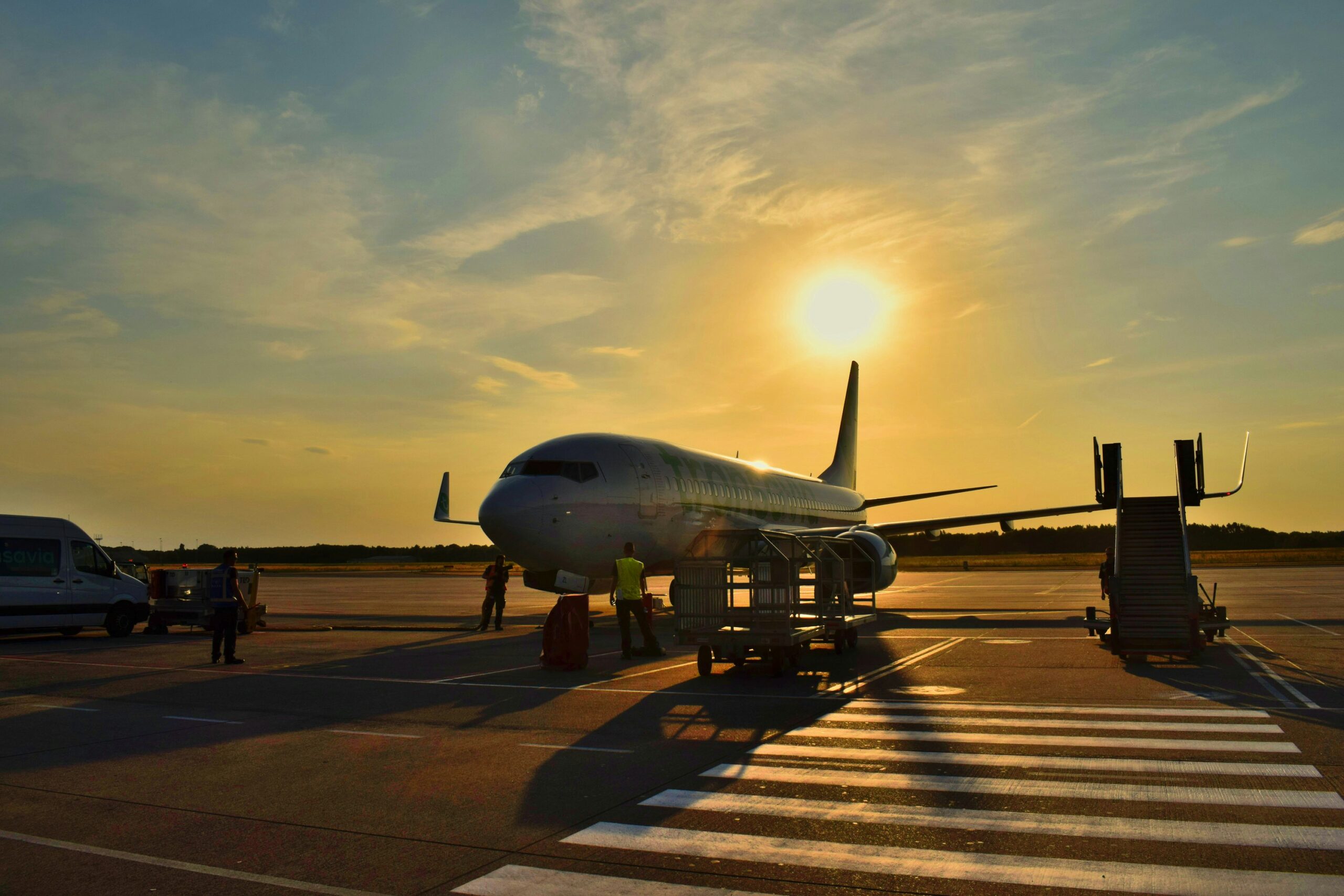
Photo by Anna Gru on Unsplash
Air travelers across the United States faced major disruptions on Thursday. Severe weather delayed thousands of flights and canceled dozens more at several major airports.
According to multiple travel reports, more than 3,600 flights were delayed and 83 flights were canceled. The storms disrupted travel far beyond the regions directly affected.
Severe weather causes widespread flight disruptions
Severe weather disrupted airports across Texas, Illinois, Washington, D.C., Washington state, Minnesota, Ohio and Kentucky.
Dallas-Fort Worth International experienced the biggest impact. The airport recorded 693 delayed flights as flash flooding and tornado threats swept across parts of Texas.
Meanwhile, Ronald Reagan Washington National Airport reported 19 cancellations, the highest total among the affected airports.
The delays forced thousands of travelers to wait while airlines worked to restore normal operations.
FAA issues ground stop in Dallas
The Federal Aviation Administration (FAA) temporarily issued a ground stop for Dallas-Fort Worth International Airport and Dallas Love Field on Wednesday because of dangerous weather.
After conditions improved, the FAA lifted the advisory and resumed normal operations.
Even so, departures averaged 45-minute delays. Aircraft and flight crews also fell behind schedule, causing disruptions across airline networks.
Because Dallas-Fort Worth is one of the nation’s busiest hubs, the delays affected passengers traveling across the country.
American Airlines records the most delays
Among U.S. airlines, American Airlines recorded the highest number of delays. A total of 577 flights arrived or departed behind schedule.
Dallas-Fort Worth serves as the airline’s primary hub. As a result, the severe weather disrupted flights throughout the country.
Passengers with connecting flights also experienced additional delays as airlines adjusted schedules and reassigned aircraft.
What travelers should do during delays
Travel experts recommend checking your flight status frequently through your airline’s website or mobile app.
You should also enable push notifications for gate changes, delays and cancellations.
If your airline cancels your flight, rebook as soon as possible. Seats on later flights often fill quickly.
Travelers with connecting flights should allow extra time, especially when passing through busy airports affected by severe weather.
Keep medications, chargers, travel documents and other essential items in your carry-on bag. Doing so makes long airport waits easier to manage.
If your delay lasts overnight or your airline cancels your trip, review its refund, meal and hotel accommodation policies before making new travel arrangements.
Weather remains a leading cause of flight delays
Summer storms continue to disrupt air travel across the United States.
Heavy rain, lightning, flash flooding and tornado threats often force airports to issue ground stops or reduce capacity. These weather events can delay flights for hours, even after conditions improve.
As summer travel continues, passengers should check weather forecasts and airline alerts before leaving for the airport.
Source: NJ.com
About the Author