Photo credit: (X)
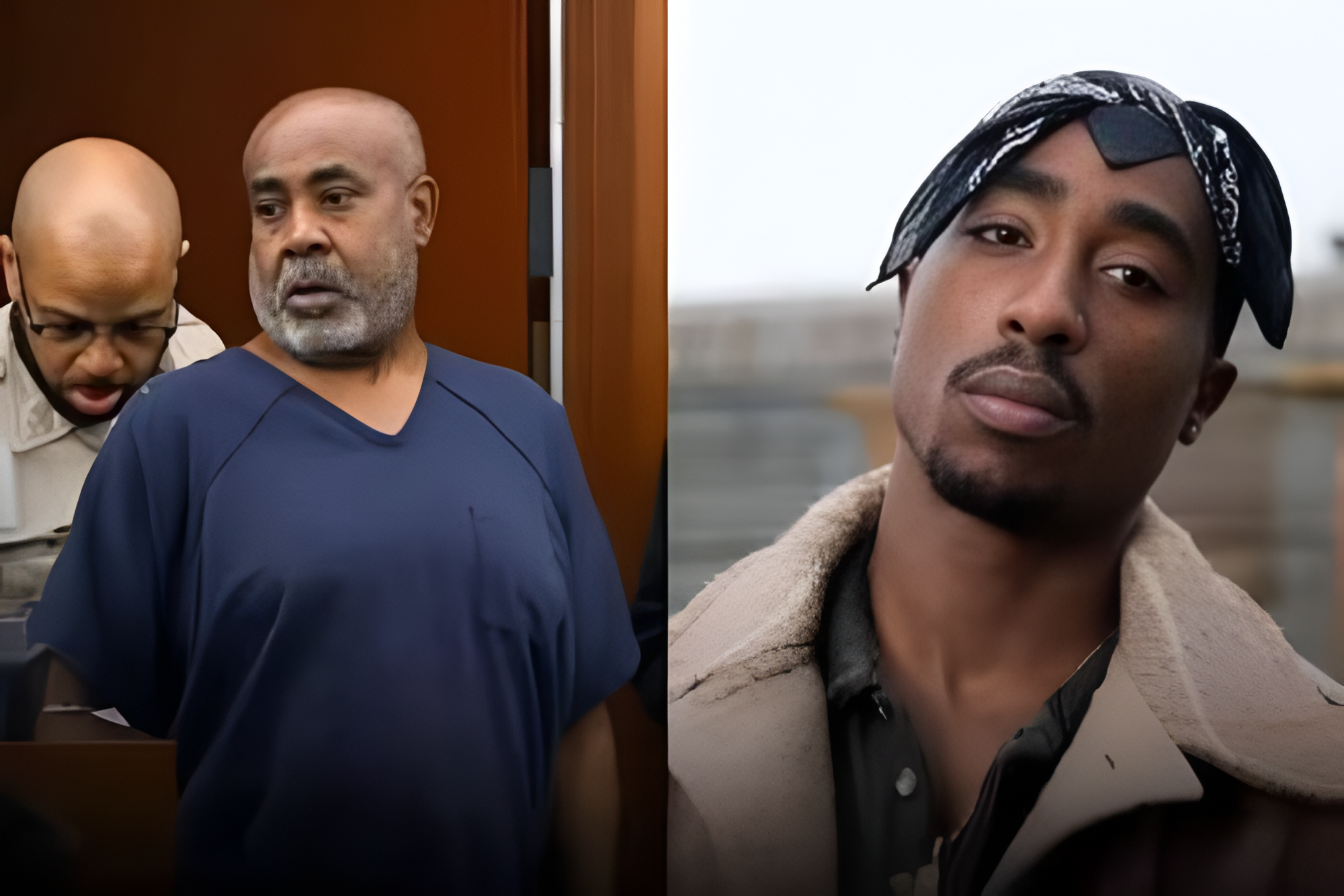
The trial surrounding Tupac Shakur’s 1996 killing took a tense turn today after Duane “Keefe D” Davis raised concerns about private information discussed in court.
Davis told the judge that testimony had exposed his home address and his sister’s address. He said the disclosure was followed by a break-in at his property and vandalism involving his wife’s car.
The exchange added a personal layer to a case that has drawn attention for decades. Davis faces one count of murder with a deadly weapon and has pleaded not guilty.
Davis raises concerns after jurors leave
Davis spoke after jurors had left the courtroom. He complained that information about where his family lived had become public during the proceedings.
The prosecution pushed back on his complaint. The prosecutor suggested Davis’ larger concern was the seriousness of the charge he faces. Judge Carli Kierny addressed both sides.
She directed prosecutors to remind their witnesses to avoid revealing sensitive private information. At the same time, she asked Davis’ defense team to tell him not to attempt to communicate with witnesses. That ruling gave the dispute a practical outcome without changing the central issues before the jury.
The Tupac trial centers on Davis’ past accounts
The courtroom dispute comes as prosecutors continue presenting evidence about Davis’ own accounts of the 1996 shooting.
A major part of the prosecution’s case is a recorded 2008 police interview. In that interview, Davis described being inside a Cadillac that stopped near the vehicle carrying Tupac Shakur and Marion “Suge” Knight. According to the evidence presented in court, Davis said he passed a gun toward another passenger before Orlando Anderson took possession of it.
Anderson, Davis’ nephew, was later identified by investigators as a central figure in the case. He died in 1998 and had denied involvement in Shakur’s killing. Prosecutors also rely on statements connected to Davis’ 2019 memoir, Compton Street Legend. Davis has since disputed parts of the book, saying he did not write all of it and that some material was fictionalized.
View this post on Instagram
Why the evidence remains contested
Davis’ defense has challenged the reliability of his earlier accounts. His lawyer has argued that prosecutors need independent evidence to support statements Davis made over the years.
That dispute could become important as jurors weigh the difference between Davis’ recorded statements, his later public accounts and testimony from other witnesses. The case has already stretched across decades of speculation surrounding Shakur’s death.
Now, as the trial continues in Las Vegas, the courtroom itself has become another point of tension. The judge’s instructions on private information will shape how testimony is handled going forward. For Davis, however, the central legal question remains whether prosecutors can prove their allegations beyond a reasonable doubt.
About the Author