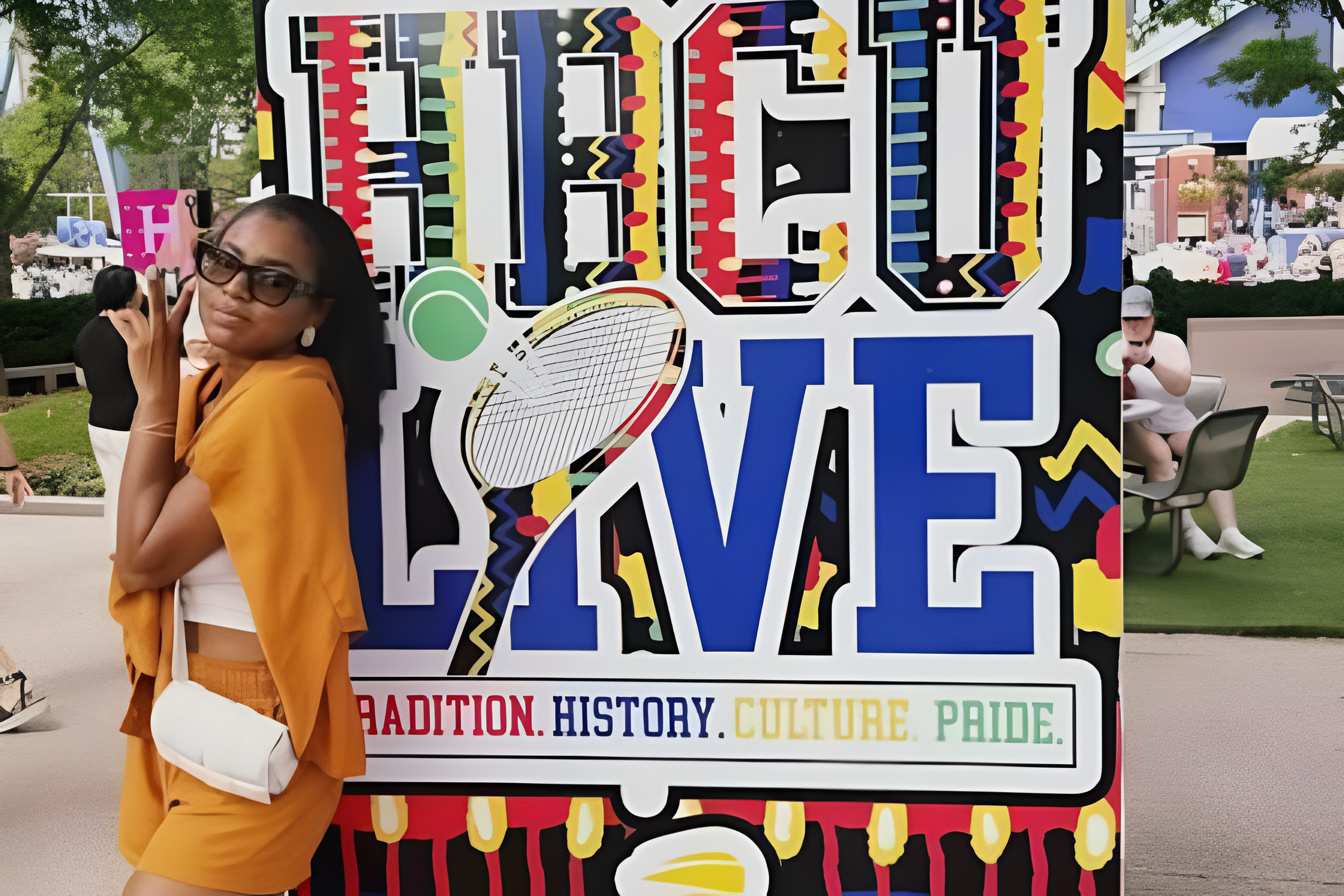
Photo courtesy revoltsports IG
Sean Holcomb-Jones has spent years trying to open tennis up. As the USTA’s Director of Diversity, Equity and Inclusion, he has worked since 2021 to widen who shows up at the sport’s biggest events. He is not approaching this work from the outside. In fact, he once served as head tennis coach at Morgan State. That HBCU background shapes how his programs get built. It shows up even in small details most fans never notice.
That personal history also helped drive one of the USTA’s more meaningful recent moves. He was central to an official partnership with the American Tennis Association. It is the oldest Black athletic organization in the country. That partnership did not arrive on its own, though. It sits next to HBCU Live, the marching bands filling Arthur Ashe Stadium, and a wider push to remove old barriers. Those barriers have long kept tennis feeling closed off to Black communities.
Morgan State fits the bigger pattern
This year’s HBCU Live landed on September 2. Morgan State’s Magnificent Marching Machine performed, and President David K. Wilson tossed the ceremonial coin to open the tournament’s first match. That kind of visibility at a Grand Slam does not happen by chance.
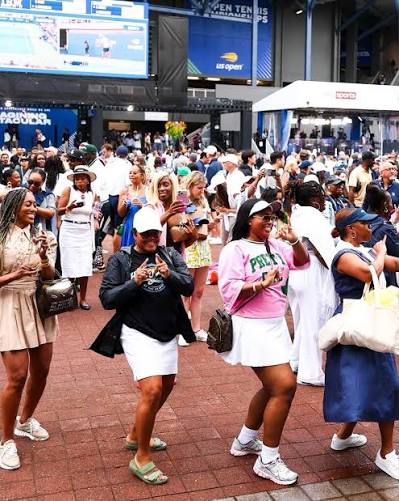
Instead, it happens because people like Holcomb-Jones spent years laying the groundwork. As a result, an HBCU president’s coin toss now feels routine instead of remarkable.

Morgan State’s band arrived with credentials of its own. The Magnificent Marching Machine has performed at NFL games. It has also marched in the Macy’s Thanksgiving Day Parade and earned a spot in this year’s Rose Parade. Tennis player Taylor Townsend even matched the moment. She stepped onto court in a navy and orange sequin outfit inspired by the band’s colors, after watching them perform live.
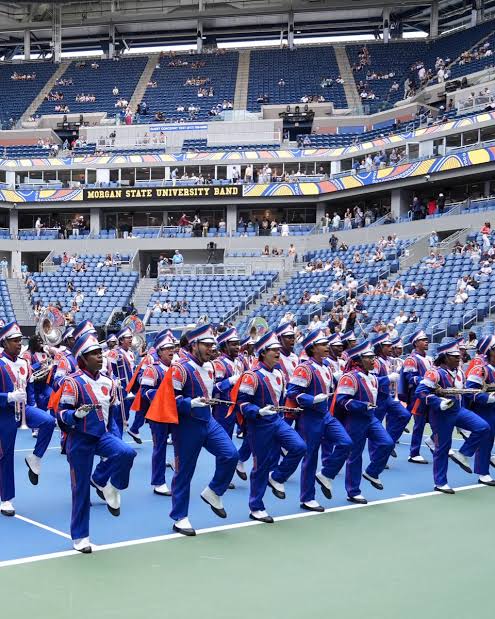
HBCU Live carries real weight
Tennis has long carried a country club reputation. HBCU Live pushes directly against that image. The event traces its roots to honoring Althea Gibson, the player who broke tennis’s color barrier decades ago. Because of that history, the program carries a weight most game day entertainment never earns. Holcomb-Jones connects what fans see on the court to what happens behind the scenes. The bands and step performances on the field mirror partnerships like the one with the ATA.
View this post on Instagram
A crowd that keeps showing up
USTA leadership has noticed something new. Fans now plan around HBCU Live instead of stumbling into it. That shift signals something bigger than good programming, though. It means people treat the event as a reason to attend. It is no longer just a bonus once they are already in the stadium. Meanwhile, programs built around one person tend to fade once that person leaves. HBCU Live has grown instead, year after year.
View this post on Instagram
What comes next for HBCU representation
Morgan State’s band, Wilson’s coin toss, and years of groundwork from Holcomb-Jones all point toward the same outcome. Tennis is slowly becoming a sport where HBCU representation stops feeling like a novelty. Still, the sport is working through a bigger access problem. That is why having someone who coached at an HBCU running point on inclusion matters so much. It changes what these programs actually accomplish.
About the Author