Courtesy:NFL
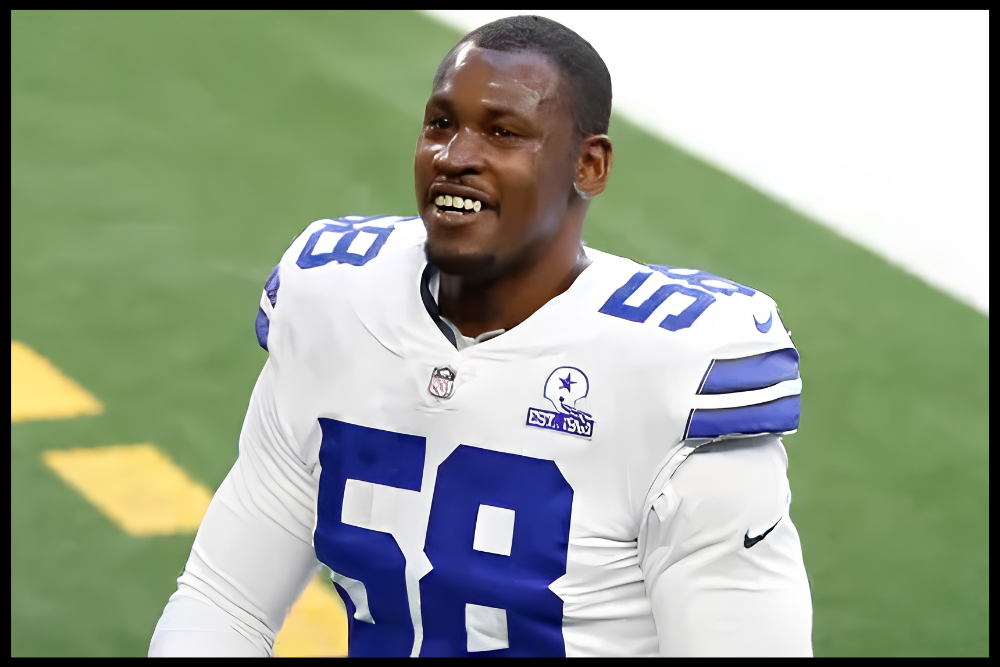
Former NFL safety Donte Whitner spoke publicly about the death of Aldon Smith this week and named two former teammates he believes the family’s lawyers need to contact. Smith, a defensive end who played for the San Francisco 49ers, died on June 13 at 36.
On June 13, Smith was found unresponsive in the passenger seat of Amir Shirazi’s truck. Shirazi told reporters that Smith appeared fine about an hour before his death. Shirazi said he stepped inside his house briefly, and Smith died while alone in the vehicle. No toxicology report has come back yet.
Smith’s family retained three attorneys to look into what happened. Whitner, speaking on the Grit Code Podcast, directed those lawyers toward two specific names.
What Whitner said about the day Smith died
Whitner said several former teammates reached out to him on the day Smith died. The messages and images he received he described as deeply disturbing. He said former 49er C.J. Spillman called him early in the morning from Bali. Spillman then shared images of Smith through a video call. According to Whitner, those images showed Smith slumped inside a vehicle and then on the ground with emergency medical personnel nearby. Whitner said the images were already spreading among former teammates, and their reach suggested many people had already seen them.
The names Whitner gave to Smith’s family lawyers
Whitner addressed Smith’s family lawyers through the podcast, telling them they should start by speaking with Spillman. He also named Anthony Davis, another former 49er, who he said appeared in those images near Smith. Whitner said he did not believe Davis had done anything wrong. But he added that anyone present at the scene likely holds information relevant to the investigation.
Spillman played for the 49ers from 2010 to 2013. Davis played for the team from 2010 to 2014 and again in 2016.
Whitner also said that Spillman told him on that call that Smith was unresponsive and might not survive before then showing him the images. The experience left him deeply affected, he said, and he reported having nightmares for two nights after viewing what he had been sent.
What remains unresolved in Smith’s case
Shirazi’s account places him inside the house when Smith died, suggesting Smith was alone in the vehicle at the time. Whitner’s statements raise questions about who else may have been nearby. His account stopped short of making a direct claim about what caused Smith’s death. However, those statements have added pressure to the family’s legal investigation.
Authorities have not yet issued an official ruling on the cause of Smith’s death. Results from the toxicology report are still pending. Smith’s family and their attorneys are now asking their own questions, and Whitner’s public appearance has given them a specific starting point.
About the Author