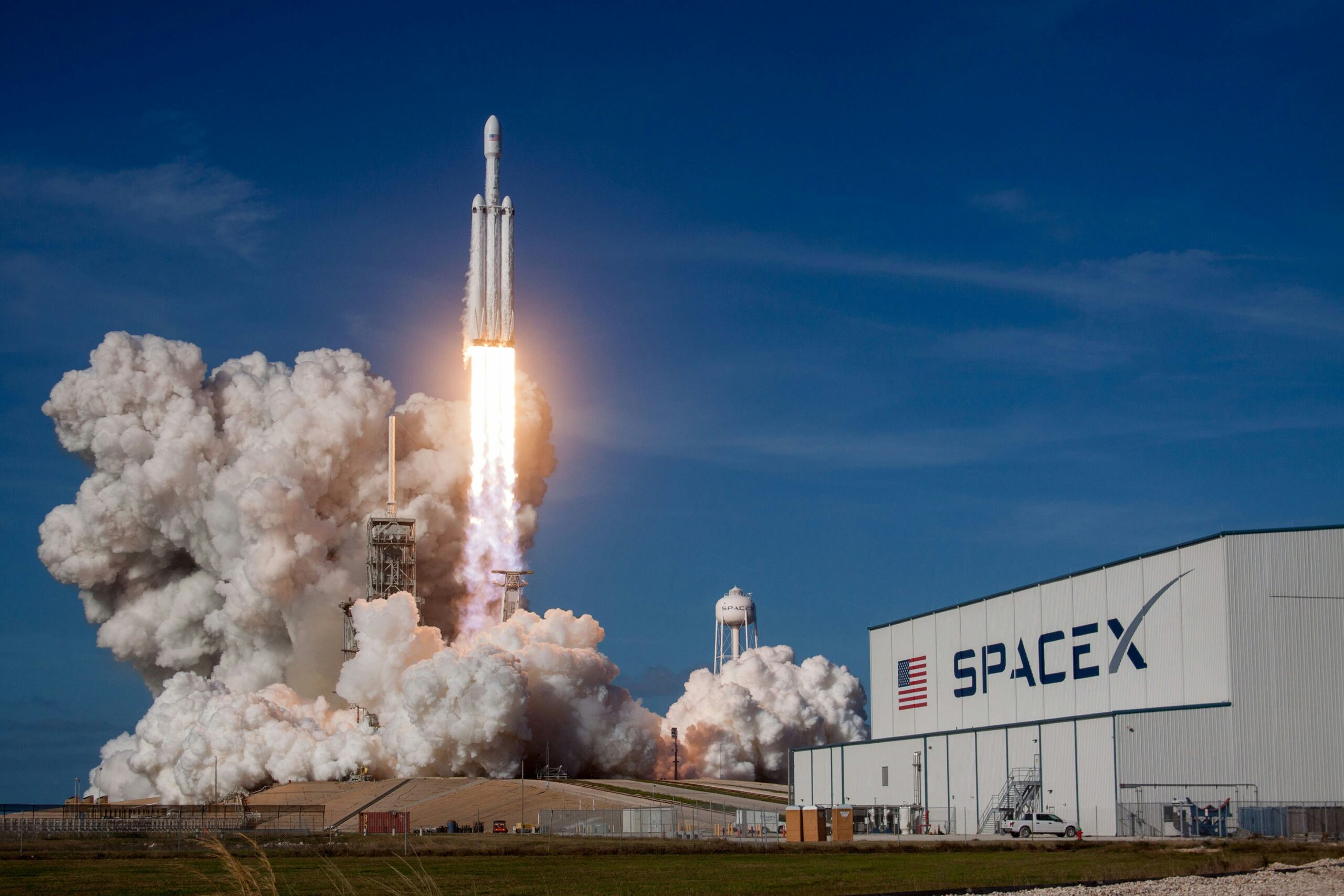
Photo by SpaceX on Unsplash
SpaceX shares are losing altitude
SpaceX stock is heading for a third consecutive session of losses. Shares dropped 5.4% to $175.05 in premarket trading on Monday. That follows back-to-back declines that have pulled the stock well below its recent peak of more than $200 per share. Despite the slide, the stock still trades comfortably above its IPO price of $135.
The selling pressure arrives alongside fresh analyst commentary that is doing little to restore investor confidence.
KeyBanc pumps the brakes
KeyBanc analyst Michael Leshock and his team initiated coverage of SpaceX with a Sector Weight rating and no price target. The call reflects caution rather than conviction. The analysts want to see more evidence of progress on Starship, the company’s next-generation reusable launch vehicle, before taking a more positive stance.
The core of the hesitation is valuation. SpaceX currently trades at roughly 29 times Leshock’s forecast for 2027 revenue. That is a steep premium compared to almost all of its peers across the space, telecommunications and artificial intelligence sectors. KeyBanc acknowledged the company’s disruptive potential across multiple industries. However, the team concluded that this potential is already reflected in the current share price and that the risk-to-reward balance appears neutral at best.
The analysts believe Starship milestones will ultimately determine how fast the Connectivity segment, which includes Starlink and Starshield, grows. They also see Starship progress as critical to SpaceX’s ambitions in non-terrestrial AI applications such as future orbital data centers. Without clear evidence of progress on that front, the premium valuation is difficult to justify.
A thin float adds to the volatility
Valuation concerns are not the only factor driving the stock’s turbulence. The trading dynamics around SpaceX are unusual. Only 639 million shares are currently available to trade. That is a small fraction of the more than 13 billion shares the company has outstanding. A limited float makes the stock more sensitive to selling pressure and amplifies price swings in either direction.
The situation is likely to evolve. Employees and early investors will be permitted to sell shares in the coming months under a staggered lockup release schedule. That gradual increase in available supply could add further pressure to the share price as the lockup periods expire.
What it means for investors
SpaceX remains one of the most closely watched companies in the market. Its business spans rocket launches, satellite broadband and artificial intelligence infrastructure, a combination that has no direct comparable among publicly traded companies. That uniqueness makes traditional valuation frameworks difficult to apply cleanly.
For now, analyst opinion on SpaceX fundamentals is likely taking a back seat to trading dynamics. The stock’s thin float, combined with high expectations baked into the valuation and an uncertain Starship timeline, creates a volatile environment. Investors will be watching closely for any concrete updates on Starship development that could shift the narrative back in a more positive direction.
Source: Barron’s
About the Author