Google Takes Direct Aim at Apple With New AI Laptop
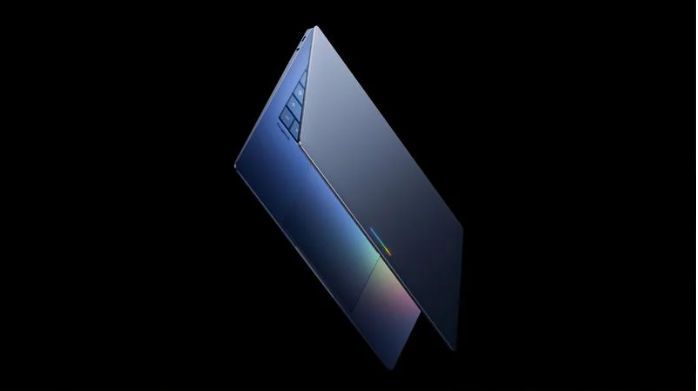
Google just made its boldest move yet into the premium laptop market. On Tuesday, May 12, the company announced the Googlebook, a new lineup of AI-powered laptops built around Gemini. The Googlebook runs on software that combines Android and ChromeOS. As a result, Google says the devices offer a more personalized and proactive experience than any laptop it has released before. The first Googlebooks will launch this fall through partnerships with Acer, ASUS, Dell, HP and Lenovo.
The Magic Pointer changes how users interact with the screen
One of the standout Googlebook features is the Magic Pointer, which replaces the traditional cursor. Unlike a standard laptop pointer, the Magic Pointer works directly with Gemini. When users wiggle the cursor, Gemini activates instantly. It then analyzes whatever the pointer hovers over and delivers contextual suggestions or answers in real time.
As a result, everyday tasks become faster and more intuitive. For example, pointing at a date inside an email can prompt Gemini to create a meeting automatically. Meanwhile, selecting two images allows Gemini to visualize them together. Google says the Magic Pointer revolves around three main actions: ask, compare and combine. Consequently, Gemini feels less like a separate AI assistant and more like a built-in layer of the laptop experience.
Create My Widget adds customizable AI dashboards
Google is also introducing Create My Widget alongside the Googlebook. The new Android feature lets users build custom widgets using Gemini prompts. In addition, Gemini can search the web and connect with Google apps such as Gmail and Calendar to create personalized dashboards.
Users can then turn those dashboards into widgets tailored to their needs. Therefore, the feature could become especially popular with productivity-focused users who want important information available at a glance instead of switching between apps.
Android integration makes device switching easier
Since Googlebooks run Android, moving between a Googlebook and an Android smartphone becomes much smoother. Apps from a connected Android phone appear directly on the Googlebook. Google compares the experience to Apple’s iPhone Mirroring feature.
Additionally, Quick Access expands that connection further. Users can view, search and insert files from their smartphones without transferring them manually first. For people already invested in Google’s ecosystem, the Googlebook could feel like a natural extension of their phone.
Premium design gives Googlebook a distinct identity
Google says the Googlebook lineup features premium craftsmanship and materials. The laptops will also come in different shapes and sizes. However, one design element will appear across every model: a glowbar on the lid.
The glowbar gives Googlebook a signature look and helps the devices stand out instantly. In many ways, the design echoes how Apple’s illuminated MacBook logo once became an iconic visual trademark.
Pricing could determine how well Googlebook competes with Apple
Google has not revealed pricing yet. Still, the company’s emphasis on premium materials has sparked questions about where Googlebook will sit in the market.
Recently, Apple introduced the MacBook Neo at a lower price point. Because of that, some analysts believe Google could price Googlebook similarly to compete directly. On the other hand, the premium design language may suggest a more expensive device aimed at higher-end buyers.
Either way, pricing will likely play a major role when consumers compare Googlebook and Apple laptops later thi year.
Googlebook could spark a major laptop rivalry this fall
The Googlebook launch this fall may set up one of the tech industry’s biggest laptop battles in years. With Gemini deeply integrated into the experience, Google is clearly aiming to challenge Apple in the premium laptop space while offering a new AI-focused approach to personal computing.
Source: MacRumors
About the Author

Praise Swint
Wpseo_editor
Praise Swint is a contributor at Revelence, covering stories across news, entertainment, and culture.