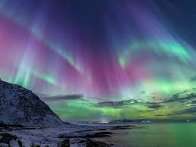
Aurora borealis travel 2026 is having a moment right now. A significant spike in solar activity has increased the likelihood of geomagnetic storms interacting with Earth’s magnetic field. Moreover, forecasts suggest moderate to strong activity this weekend, pushing the northern lights well beyond their usual Arctic boundary. Consequently, millions of travelers across Canada and the northern United States have a rare chance to witness the phenomenon without flying to an extreme polar destination.
The science behind the display is straightforward. Charged particles from the Sun collide with gases in Earth’s upper atmosphere during geomagnetic storms. Furthermore, those collisions produce the luminous, colorful displays that have made aurora tourism one of the fastest-growing niches in global travel. This weekend’s event could rank among the most widely visible aurora displays in recent memory.
Where to go for the best views
The best aurora borealis travel 2026 destinations span a wide range of locations across North America. Travelers do not necessarily need to fly to the Arctic Circle to see something this weekend. However, those in more northern regions will have the strongest and most reliable viewing opportunities.
Here are the top viewing destinations ranked by reliability this weekend:
- Yukon and Northwest Territories, Canada — Whitehorse and Yellowknife offer world-leading aurora reliability and dedicated tourism infrastructure
- Nunavut, Canada — extreme northern location with minimal light pollution and consistently high auroral activity
- Alaska, United States — Fairbanks remains the most dependable U.S. destination with dedicated aurora lodges and wake-up alert services
- Montana, North Dakota, and Minnesota — border states with strong visibility potential during moderate to strong geomagnetic events
- Wisconsin and Maine — further south options that may experience visibility during peak activity periods this weekend
Additionally, cloud cover remains the most critical variable for any viewing attempt. Clear skies are essential. Therefore, travelers should monitor local weather forecasts alongside space weather updates before committing to an outdoor viewing location.
How hotels are responding to the surge
Aurora tourism has prompted a distinct response from the hospitality sector in northern Canada and Alaska. Hotels and lodges in aurora hotspots now adjust pricing and availability dynamically based on forecast intensity. Moreover, the highest demand consistently falls on properties designed specifically for sky visibility.
Specialized aurora lodges offer heated outdoor viewing areas, wake-up alerts when auroral activity intensifies overnight, and guided viewing experiences led by staff who understand how to read real-time forecast data. Furthermore, properties like Blachford Lake Lodge in the Northwest Territories and Aurora Village in Yellowknife have built their entire identity around the northern lights experience.
In Alaska, Fairbanks aurora lodges operate dedicated services for guests who want to maximize their chances of seeing a display. Additionally, accommodation in these areas books out quickly during periods of elevated solar activity. Consequently, travelers hoping to take advantage of the current forecast window should act fast.
Why aurora tourism keeps growing
Aurora borealis travel 2026 is part of a broader global trend toward experience-led and astro-tourism. Unlike conventional sightseeing, aurora viewing depends entirely on space weather conditions. That unpredictability creates a sense of rarity and exclusivity that travelers find deeply compelling.
Furthermore, the current period of elevated solar activity is connected to the Sun’s approximately 11-year solar cycle. Space weather experts indicate that geomagnetic storm frequency tends to increase near solar maximum. Therefore, the conditions that are producing this weekend’s display are likely to remain favorable across the next phase of the cycle, sustaining strong aurora tourism demand in the short to medium term.
Travelers also tend to combine aurora hunting with other Arctic experiences. Dog sledding, snowmobiling, ice fishing, and glacier tours are common additions to northern lights itineraries. Moreover, the emotional impact of witnessing a strong aurora display frequently drives repeat visits, making these destinations among the most loyal in all of nature-based travel.
Source: Travel And Tour World
About the Author