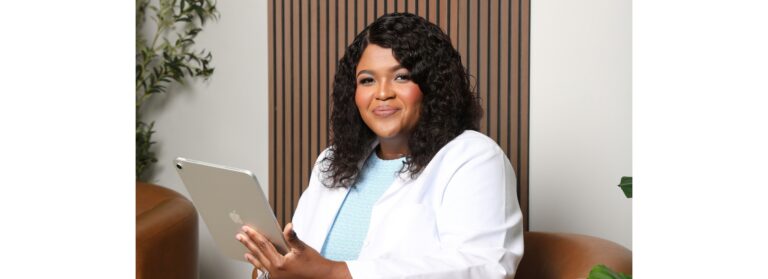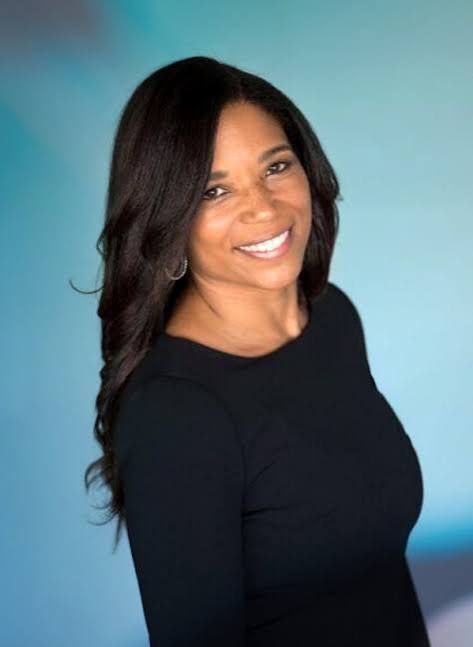
The CEO of The Art of Wellness on her journey from personal burnout to advocating for financial dignity and equitable health access.
Chaitra Bryant, the Founder and CEO of The Art of Wellness and a senior adviser at Operation Hope, is a national leader in redefining holistic health. Her work focuses on living well, leading well, and self-love through a comprehensive approach to wellness. Her journey into health advocacy is rooted in a surprising personal challenge that ultimately fueled her mission to empower others.
The Personal Genesis of Wellness
Q: Could you walk us through your journey into becoming the CEO and Founder of The Art of Wellness?
A: My work began with a personal journey. Although I studied human development and was always curious about the human body, the company was truly birthed when I was 29 and was diagnosed with high blood pressure during a wellness checkup. I initially dismissed the diagnosis, but monitoring confirmed I had it, leading to medication. However, I did not feel well while on the pills—I was tired, foggy, and lacked energy. I was still leading a fast-paced life, ignoring my diet and self-care. After being put on the third high blood pressure pill, I decided to apply the principles I had learned. I started taking care of myself—eating right, getting proper sleep, and working with my doctors. It took two years, but I was able to come off the medication and felt great. I began teaching others the simple steps I took, and from there, the company took off.
Q: When you came off the medicine, what were the key changes you made to your schedule and eating habits during that two-year period?
A: The first step was increasing my water intake. I focused on simple changes that would not cause stress, starting with proper hydration. Each month, I introduced a new change. After water, I cut out fried food, initially for a few times a week, then entirely. Over the two-year period, I progressed to a plant-based diet, including four months of being vegan and engaging in meat-free, clean eating. All these habits worked for me—proper hydration, eliminating non-processed foods, and finding exercise activities that I genuinely enjoyed.
Making Self-Care Non-Negotiable
Q: What is your advice for busy professionals juggling career and family in making wellness consistent and non-negotiable?
A: I share my story to prevent others from experiencing the burnout I went through. When people start prioritizing their well-being, they naturally elevate their lives. Feeling better allows you to operate at maximum capacity and become a better leader. You have to make wellness a non-negotiable part of your life. Self-care and self-love are not selfish. We often put ourselves last, especially Black women, constantly pouring into everyone else first. By consciously pouring into your own cup, you have exponentially more energy to give to others.
Q: What specific advice would you give to Black women who are often the nurturers and matriarchs, and struggle with prioritizing themselves?
A: The simplest way is to incorporate small, non-stressful things into your daily or monthly schedule, and then put them on your calendar, treating them like any other appointment. For example, a non-negotiable one-hour massage once a month. I recommend looking at a person’s current lifestyle to find easy additions, such as one to five minutes of breathing exercises or affirmations in the morning, which can be life-changing.
The Art of Individualized Wellness
Q: What makes The Art of Wellness’s approach different from traditional wellness programs?
A: Our approach is unique because we treat each person as an individual and figure out what works with their unique lifestyle. We do not use a one-size-fits-all plan. We are not the “health police”; our goal is to help you find your footing in your own life so you can be as healthy as possible. For instance, our Executive on the Run program is tailored for high-performing leaders by creating programs that fit their movements. For frequent travelers, we create a kit or plan that works on the road, including scheduling gym time, massages, or vitamin packs. We focus on what they enjoy doing.
Q: Your catchphrase is “Wellness is Wealth.” What does that mean in practice, especially in your work with Operation Hope?
A: The idea is that internal health and external financial stability are completely intertwined. If you don’t feel good internally, and your finances are stressful, those two problems compound. As a senior adviser at Operation Hope, we understand that financial stress can cause chronic illness, and poor health makes it difficult to work and earn money. Achieving dignity in your mind, body, spirit, and finances is essential for total well-being. This synergy is key to helping people achieve holistic wellness.
Bridging the Health Gap
Q: You advocate strongly for maternal health. What changes are most needed to close the health gap for women of color?
A: We need access, empowerment, education, awareness, and advocacy. It is critical to have more women of color in the health care space to culturally bridge this gap. My advocacy work involves standing within that gap to ensure we have proper representation and education around maternal healthcare, proper nutrition, and resources for raising a family.
Q: Healthy food access remains a challenge in many communities. How do we create sustainable solutions that go beyond awareness?
A: We must move beyond just awareness and teach people where to find proper nutrition that fits a financial budget. We need to help people make healthy choices with the resources they already have at home or in their communities. By advocating as a community and creating a demand for healthy options, corporations and companies will be incentivized to follow, as we saw with community advocacy that led to a Whole Foods opening in Harlem.
The Future of Proactive Health
Q: What is your perspective on the role of GLP-1 drugs in sustainable wellness?
A: I am a huge supporter of GLP-1 drugs, viewing them as a potential answer to the obesity epidemic. I believe they will help manage the chronic diseases associated with inflammation and obesity. I recommend that anyone taking a GLP-1 also uses the opportunity to learn about proper nutrition to ensure they still get necessary vitamins and minerals. The ideal outcome is that healthy habits are adopted while on the medication so they can be fixed and maintained long after treatment. The Art of Wellness offers a nutrition plan specifically to help people eat healthily while on a GLP-1 regimen.
Q: What do you see as the future of wellness, and what guiding principle do you want to leave for the next generation of leaders?
A: I am excited that people are embracing a clearer idea of what wellness means for them. The future will be focused on preventative care rather than the “sick model.” We are already seeing this shift with wearable tech and other tools that help us monitor our health, which are especially popular with the younger generation. The guiding principle I want to leave is that wellness is not a luxury, but a form of leadership, and that caring for ourselves is the ultimate act of empowerment.
About the Author