Why Alphabet and Microsoft just spent $25B on quantum
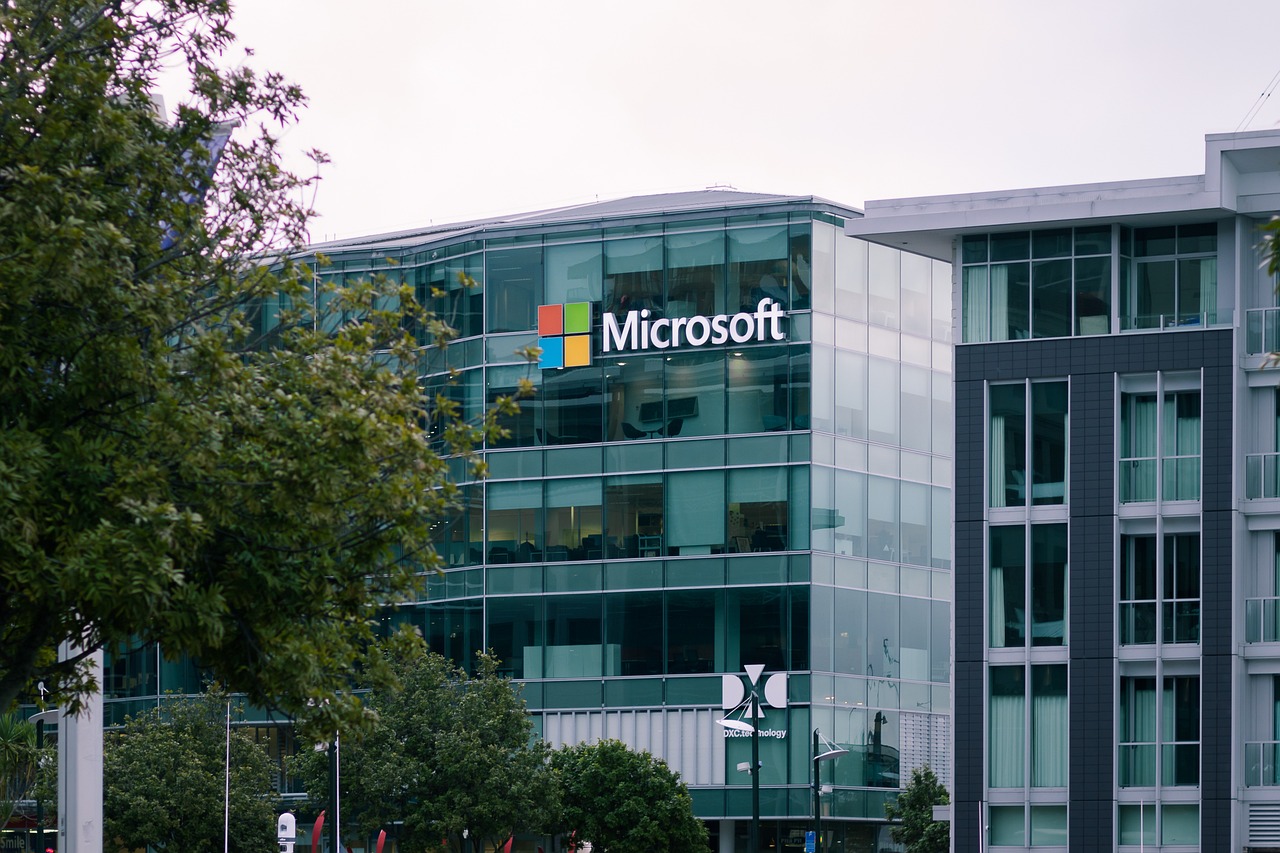
Image by Tawanda Razika from Pixabay
Alphabet and Microsoft are escalating the competition in quantum computing, committing more than $25 billion combined to a technology still in its early stages but widely viewed as transformative. The investments highlight how both companies are positioning themselves for long-term leadership in a field that could redefine computing power, cybersecurity, pharmaceuticals and artificial intelligence.
While quantum computing has long been theoretical for most consumers, recent advances from both companies suggest the technology is moving closer to practical use. Executives and investors increasingly see quantum breakthroughs as a potential driver of future revenue and market influence, even as commercialization remains years away.
1. Alphabet’s push with a powerful new processor
Alphabet has drawn attention with the launch of its Willow quantum processor, unveiled in late 2024. The company says the processor dramatically reduces error rates, a persistent challenge that has slowed quantum development across the industry.
The breakthrough allows Willow to tackle complex mathematical problems in minutes that would take traditional supercomputers billions of years to process. While such problems are largely academic today, the achievement underscores Alphabet’s growing technical edge and signals what could become practical applications in cryptography, materials science and advanced simulations.
The development also strengthens Alphabet’s broader technology narrative, reinforcing its role as a leader not only in search and advertising but in foundational computing research.
2. Financial strength fueling long-term bets
Alphabet’s ability to invest heavily is backed by strong cash generation. The company reported $24.6 billion in free cash flow in the third quarter, giving it flexibility to fund research-intensive projects like quantum computing without sacrificing core operations.
Investors often scrutinize large research expenditures, but Alphabet has framed its quantum spending as a strategic investment aimed at sustaining long-term growth. By absorbing high upfront costs now, the company hopes to secure future advantages that could be difficult for smaller competitors to match.
This financial cushion also allows Alphabet to maintain patience, an essential trait in a field where meaningful returns may take years to materialize.
3. Microsoft’s race toward scalable quantum systems
Microsoft is pursuing a different but equally ambitious path. Its Majorana 1 processor focuses on creating a new state of matter designed to produce more stable qubits, the fundamental units of quantum computing.
The company’s long-term goal is to build a processor with up to 1 million reliable qubits, a threshold many experts believe is necessary for widespread commercial use. If successful, the approach could address one of the industry’s most stubborn obstacles, making quantum systems faster, more reliable and easier to scale.
Microsoft has emphasized that stability and error correction are as important as raw power, positioning its research as a foundation for future enterprise applications.
4. Commercialization and competitive positioning
Beyond research labs, Microsoft is already pushing quantum computing toward the market. Through its partnership with Atom Computing and its Azure Quantum cloud platform, the company is offering early commercial access to quantum services.
This approach mirrors Microsoft’s broader cloud strategy, integrating advanced technologies into existing enterprise ecosystems. Combined with $25.6 billion in free cash flow, the company has the resources to expand these offerings while refining the underlying technology.
The competitive dynamic between Alphabet and Microsoft reflects a broader industry trend, with major tech firms racing to claim leadership in what could become the next computing revolution.
As quantum computing evolves, the timeline for widespread adoption remains uncertain. Still, the scale of investment from two of the world’s most powerful technology companies suggests confidence that the payoff, when it arrives, could be enormous.
Source: The Motley Fool
About the Author

Praise Swint
Wpseo_editor
Praise Swint is a contributor at Revelence, covering stories across news, entertainment, and culture.