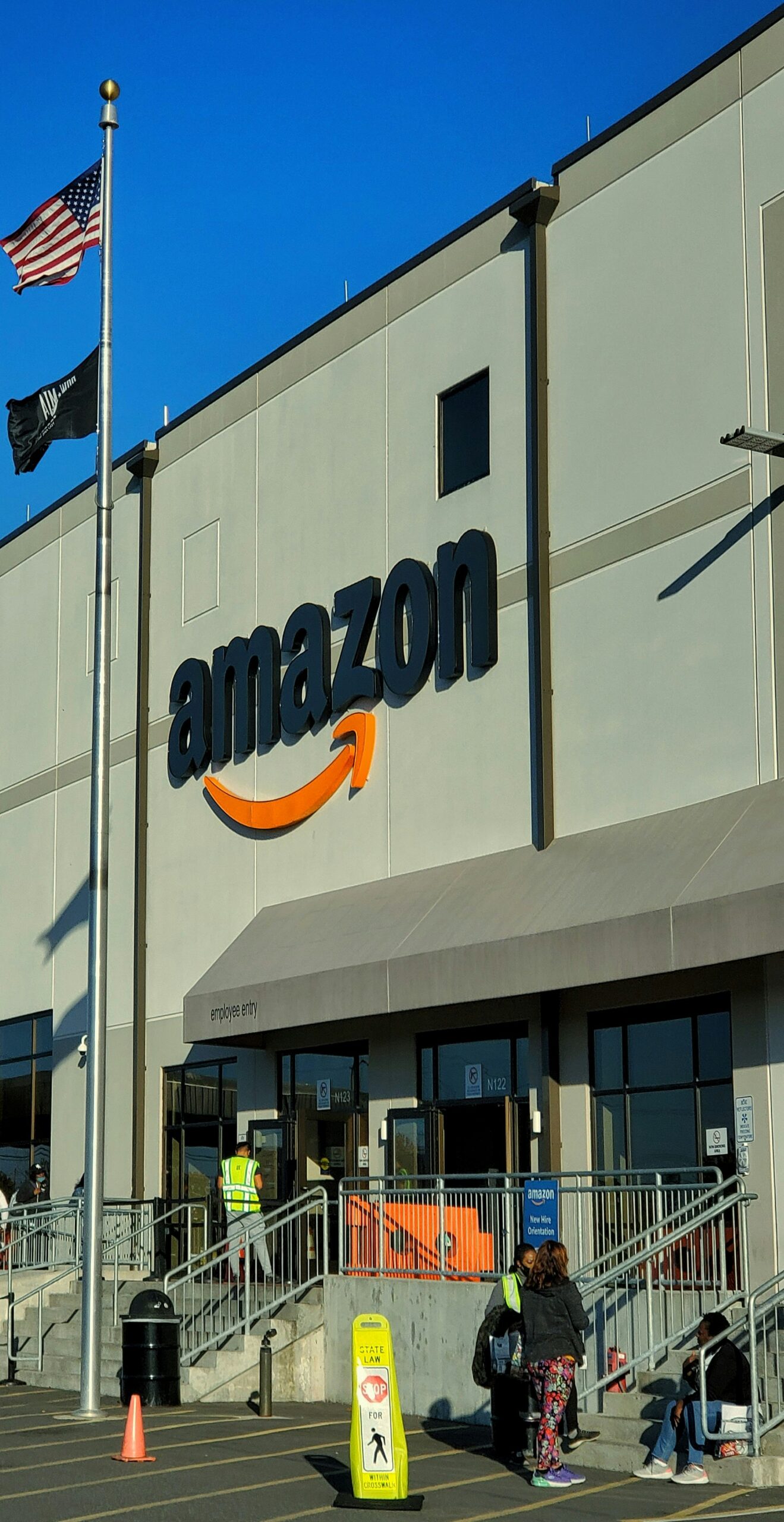
Courtesy: yender-gonzalez from unsplash
Courtesy: yender-gonzalez from unsplash
Amazon is set to reduce its corporate workforce by roughly 14,000 positions next week, marking the e-commerce giant’s second significant round of cuts since October 2025. With the upcoming layoffs, the company plans to eliminate a total of around 30,000 roles, the largest reduction in its 30-year history.
The initial round of cuts in October affected approximately 14,000 white-collar employees, and the new wave is expected to mirror that scale. Key divisions impacted include Amazon Web Services, retail operations, Prime Video, and the human resources unit, internally known as People Experience and Technology, or PXT, according to sources familiar with the matter.
CEO reframes layoffs as cultural, not financial
Amazon CEO Andy Jassy has shifted the narrative surrounding the workforce reductions. While the October layoffs were first linked to artificial intelligence initiatives, Jassy clarified that the primary motivation is cultural, aimed at addressing bureaucracy and streamlining organizational layers.
This messaging marks a significant pivot from earlier communications, which described AI as a transformative technology driving innovation and organizational change. Analysts say the evolving explanation highlights challenges Amazon faces in clearly communicating its restructuring strategy to both employees and investors.
The current layoffs are positioned as part of an effort to restore agility across the company, eliminating excess layers of management and promoting a leaner organizational structure.
Workforce reduction despite strong business performance
The planned corporate job cuts represent nearly 10% of Amazon’s approximately 350,000 corporate employees, but account for less than 2% of the company’s total workforce of 1.58 million, most of whom are based in warehouses and fulfillment centers.
Senior executives stress that the move is not tied to financial struggles. Amazon continues to perform strongly across revenue and operational metrics, yet leaders emphasize the importance of maintaining efficiency through a streamlined structure. Employees affected by the previous round were given 90 days to secure internal positions or transition externally, with support including severance pay, outplacement services, and extended health benefits. The company plans to provide similar support for the upcoming reductions.
Broader organizational initiatives
Alongside layoffs, Amazon has rolled out initiatives to identify inefficiencies and improve operations. An anonymous internal system has already generated over 1,500 responses, leading to more than 450 process changes. The company has also implemented a strict five-day in-office mandate, considered among the most rigorous in the tech industry, although it has yet to trigger the level of voluntary attrition Amazon anticipated.
The leadership team highlights that these measures, while difficult, are intended to reinforce accountability, enhance employee ownership of projects, and preserve a culture of fast decision-making reminiscent of Amazon’s early startup environment.
Preparing for the future amid AI investment
Despite the workforce reductions, Amazon continues to make major investments in artificial intelligence and digital infrastructure, aiming to drive long-term growth and innovation. The company’s dual focus on technological expansion and internal restructuring underscores the complex balance it seeks between operational efficiency and strategic advancement.
As Amazon navigates these challenging transitions, the impact on employee morale and public perception will likely remain a focal point, with broader implications for the tech industry and corporate culture debates in Silicon Valley and beyond.
Source: Reuters
About the Author