PhotoCredit:Reginajones
PhotoCredit:Reginajones
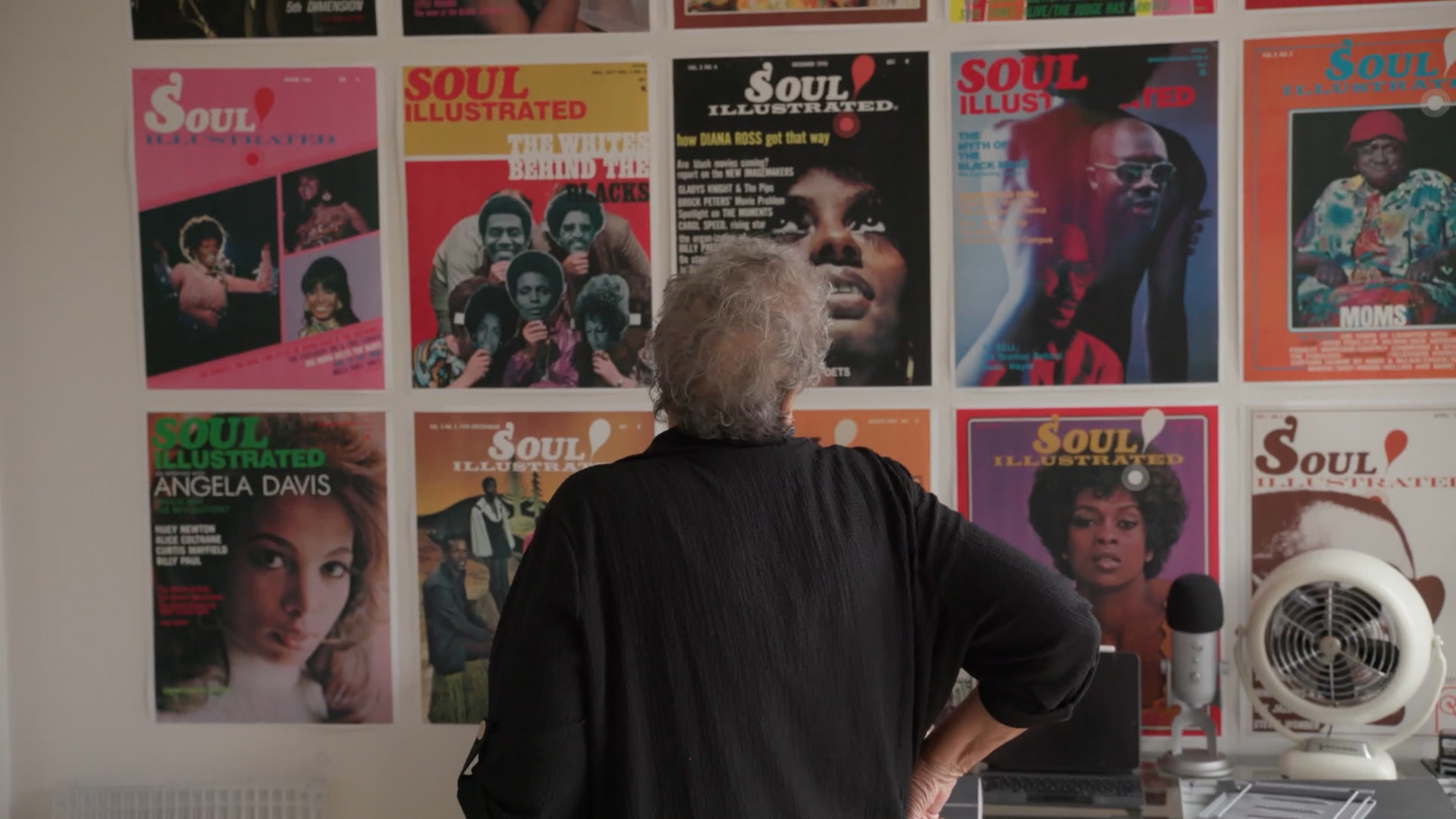
Regina Jones, the trailblazing publisher and co-founder of Soul newspaper — the groundbreaking first nationally distributed Black music publication launched in 1966 — has lived a life of unyielding resilience. Born in South Los Angeles, she married at 15, raised five children amid financial hardship, and navigated the aftermath of the 1965 Watts Rebellion while working as an LAPD dispatcher. From her dining room, she and her husband Ken built Soul into a vital platform that amplified Black artists, voices, and culture when mainstream media often ignored them. Predating Rolling Stone, the publication ran until 1982, showcasing icons from James Brown to Diana Ross. At over 80, Jones reflects on survival, loss, motherhood, media ownership, and the enduring power of caring for humanity in this candid conversation.
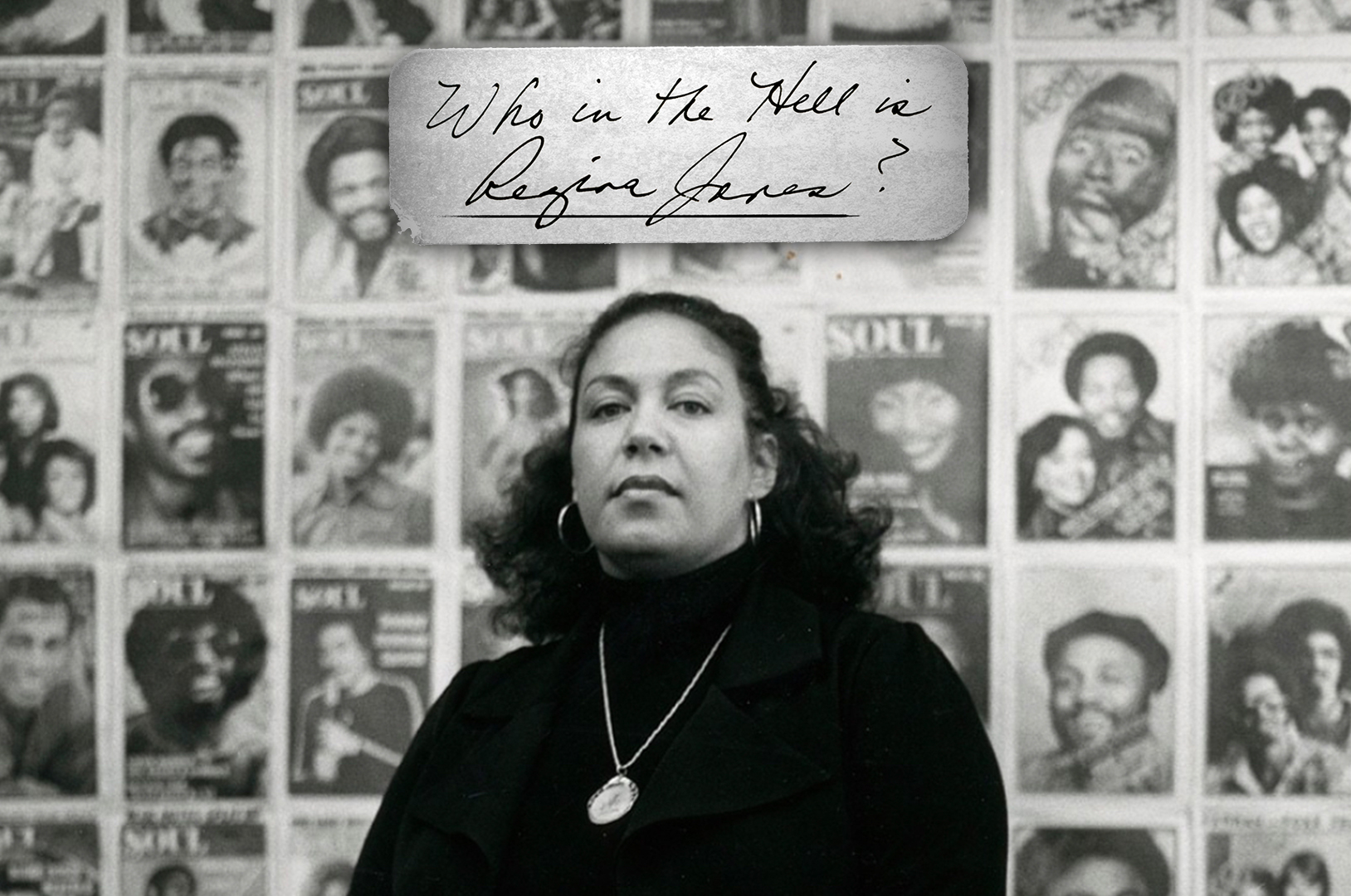
Who in the hell is Regina Jones?
When I find out, I’ll tell you because I’m still learning and I’m loving that I’m still learning that there’s so much still to learn about myself, about my friends, about the world, about life. It’s just great to be awake in 2026 to be awake and to be consciously aware of what a pile of …. we’re all living in right now and how hard it is for all of us and how much we’ve got to join together and support one another. And how in the world did we let it get here? As your elder, what could I have done differently that might have changed the world a little bit? And to just trust ourselves. Just to trust ourselves. And continue to dream. Don’t stop dreaming.
Take us back before the headlines, before Soul magazine, before history started catching up to your name. Where did you grow up? Who were you as a young girl? How did that journey shape the woman you are today?
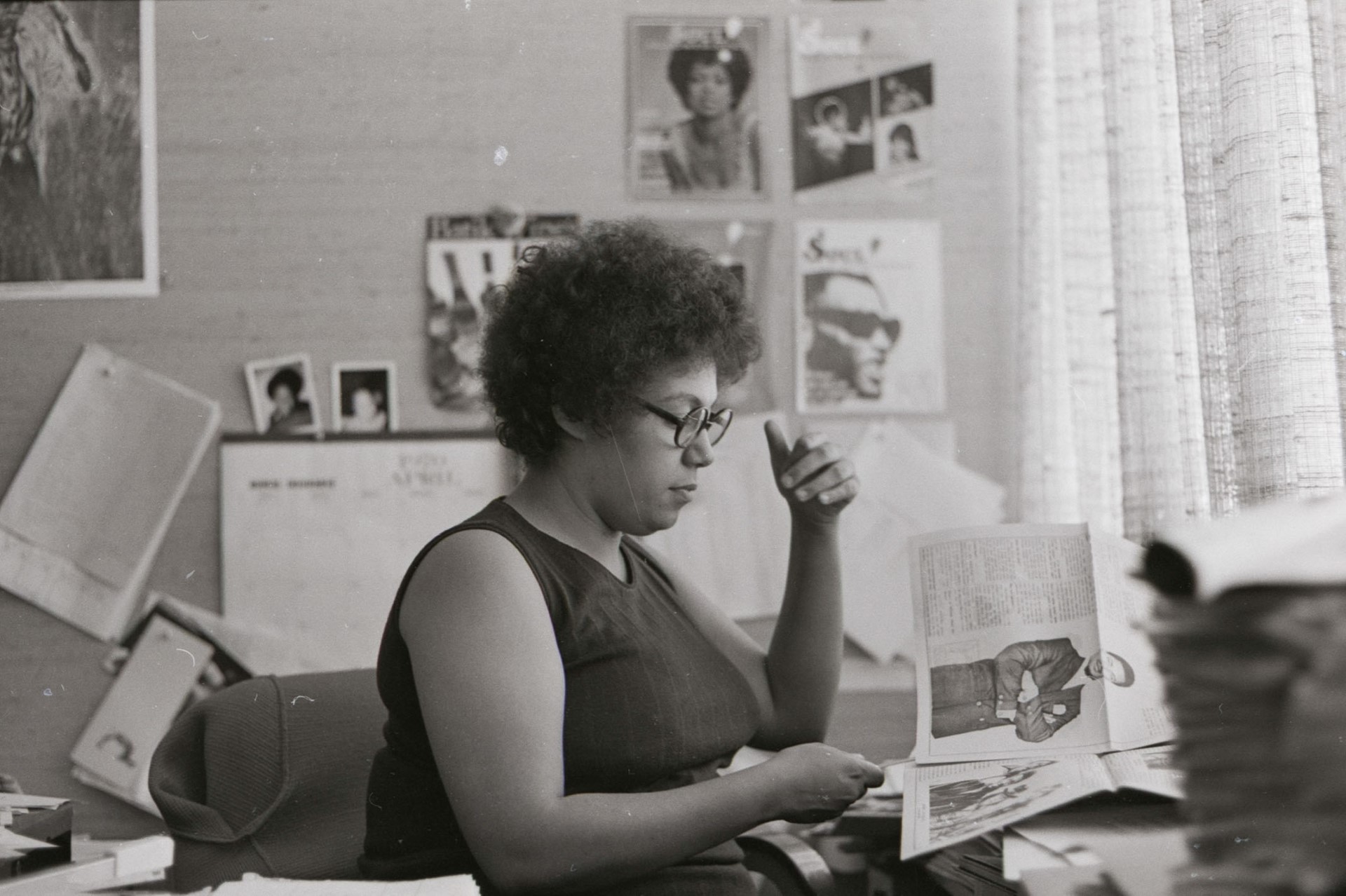
I grew up in Los Angeles, Watts adjacent, 119th and Central Avenue, with two parents who were in their 30s when they had their first and only child. My dad came back from fighting in World War II in Italy. I’d been told what a great man was coming home. And when I was three, this man who shook and trembled from the war came back. I watched them as damaged survivors. And what Black life was and how they struggled and how they soothed their struggles by drinking and gambling. So I kind of had to be the adult in many ways and grow up and figure it all out. Getting pregnant at 15 and married and the first child at 16. Marrying a man who was four years older than me but still a boy. Thank God I was given the resilience to keep going because when I look back at it I don’t know how I did it. I had babies at 16, 17, 18, 19 and 22. We started Soul when I was 23. In my dining room.
What problem at that time were you attempting to solve that mainstream media made invisible?
Black life. And if you give a people their music, their music will give you the people. The music that we hear helps formulate who we are as a race, as a species, and the whole bit. And the fact that there was nowhere to read about the Black artist in 1966 other than Nat King Cole or Lena Horne in Jet or Ebony. Your smaller recording artists were not covered anywhere. There was even white people on the covers of albums. Thank God for Motown. For Barry Gordy.
Can you share an example of figuring things out under pressure from your time at SOLAR Records?
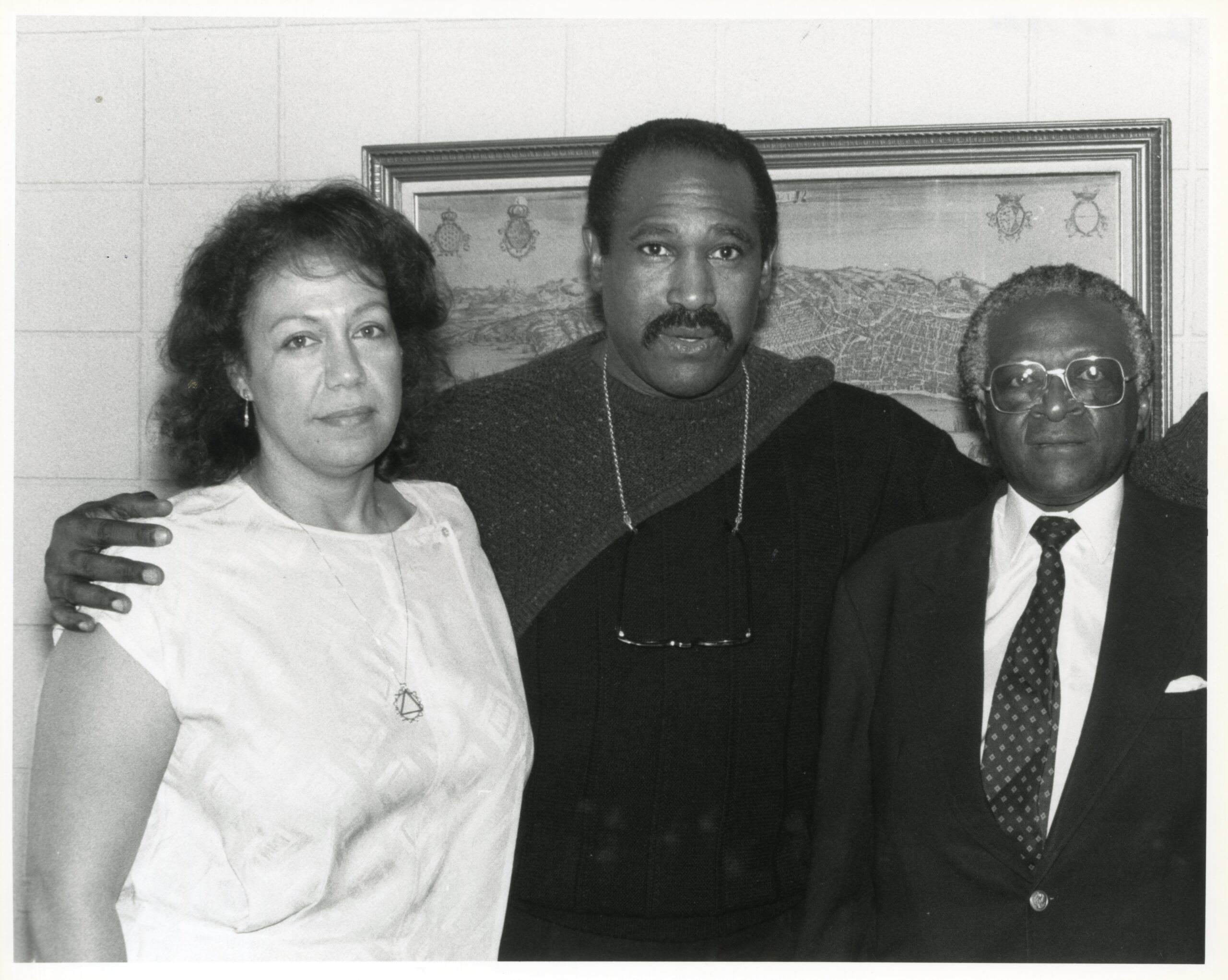
I got to put together a luncheon overnight for Bishop Desmond Tutu, who was coming to town. Dick’s like, “Oh, I’m have lunch, you know, Tutu.” And I said, “Okay, when? Next month?” “No, next week. Figure it out.” You know, and we had no internet. We had nothing. I invited you by Telegram. And uh I remember Suzanne calling to say, “Diana Ross would like to come, but she needed a good seat.” I said, “Got it.” I set her right next door to Bishop Desmond Tutu because I knew that would thrill him. How exciting. And then that between Tutu and then Diana Ross being there, Angie Dickinson, quite a few people, the press was just all over the restaurant up front. And what he stood for. And Dick Griffey allowed me to be in that realm. Exciting times.
How did you maintain your vision when the industry did not validate you?
It was survival and because you just can’t shut down because it’s hard, you just keep going. It was hard as a woman, hard as a Black woman, hard as being self-employed, hard finding good people. But the pride when a good discovery… Thank God for a Barry Gordy that preceded me and Junior Griffith was his head of publicity at those days and he saw Soul and made sure we got carte blanche. Barry was always cooperative. Any artist we wanted, we had them.
You built your publication while raising five children, navigating marriage, work, community expectations. How did you maintain the appearance of holding it all together even when life behind the scenes felt heavy?
I was cool. It looked good. The facade was intact. We didn’t know any of what you were going through while you were running the paper. You didn’t bring it to the office. It wasn’t part of the office. I wasn’t supposed to. Ken and I could be fighting in our marriage, but they didn’t know it. It was none of their business. The kids could be having trouble at school. I didn’t have the money to pay the printer. You going to tell your staff that you don’t have the money to pay the printer and you’re sweating to get their salaries together? Figure it out. You just have your straight face.
So many Black women feel the pressure to be strong for everyone. What did strength actually look like for you in the private moments when the cameras weren’t there?
I don’t think there was ever time. There was never time. I couldn’t fall apart. I fell apart when Soul ended, but I couldn’t fall apart during all those 16 years of the existence. Keep involved. There was no room.
Looking back, did you have any boundaries that you wish you had set sooner either professionally or personally?
No, I don’t think there was anything could have been done that much differently. Ignorance sometimes is a gift.
What keeps you going now? And what has grief taught you about endurance and faith?
When my son died, I was grateful that we were at peace with each other and whenever he called, I was happy he called. He’d call a couple times a week at night and I’d stopped judging him. And I thank God for probably 10 years longer he lived than I would have thought. 2025 was one loss after another… Every morning I wake up, I’m grateful. When I can get out of the bed all by myself, I am thrilled. I count the blessings. I don’t take anything for granted. If I make a list of all the things good, they so far outnumber the problems. I am a blessed adult woman with four of my five children still living.
What lessons from Soul’s rise as well as closure would you want today’s Black women launching businesses and media brands to know about sustainability, ownership, and timing?
One thing is being self-employed financially unless you become a big success does not put away money for your retirement… That to me is serious and I’m facing it. If I wasn’t blessed to be living with my daughter and her husband, I couldn’t survive on social security. We don’t think about that and we’ve got to start planning like that… Automate your savings. Just take it off the top. Don’t look at it. That’s the only way it works… And you know, I don’t know about building relationships anymore… It was personal relationships.
What strategies helped you maintain dignity and authority in rooms that underestimated you?
I had so much on my shoulders that I had to deliver… It wasn’t about fighting with him. And if I had to listen to myself be demeaned a little bit to go get my money, I’m on my way. I knew he cared about me… You just can’t take it personal… I was after the outcome. Not the process. Fast track it. Solution forward.
PhotoCredit:Reginajones
For decades your contributions weren’t widely recognized. What does it feel like now to have your story told on your own terms?
I’m a behind-the-scenes person, so this is not my comfort zone. I’m showing up because I’m proud and pleased of the outcome of the documentary and the work that the people did that did it for me and on me and cared enough and I’m grateful… I would like to do the Soul story, not the Regina Jones story. It’s a big difference. It’s easier to put the limelight on other people than on me.
What would you like to be most remembered for — the publication, the perseverance, or the person you became through it all?
That I cared. That I cared about people. Not just the ones I love, but the ones that I don’t even know. I care about humanity… And I love men, but we’re totally different species… We need to acknowledge that and figure out how to enhance one another that way. And to love and support one another better. The human, we just need that.
What is the legacy that you hope lives on long after the headlines fade?
Innate gifts that Black people have been given has kept this country going since we were brought here as slaves in creating, developing, keeping it going. And we’re still contributing on so many fantastic levels that no one’s acknowledging. And it’s so important to keep people aware of that because it’s so easy to think of differences and separations versus unifications.
And before we wrap up, how can people get in touch with you or follow your journey and the legacy of Soul newspaper?
The official Instagram for Soul newspaper, which preserves and shares the legacy curated by my grandson Matt Jones, is @soul_newspaper.
About the Author