Wall Street falls as escalating war fuels market panic.
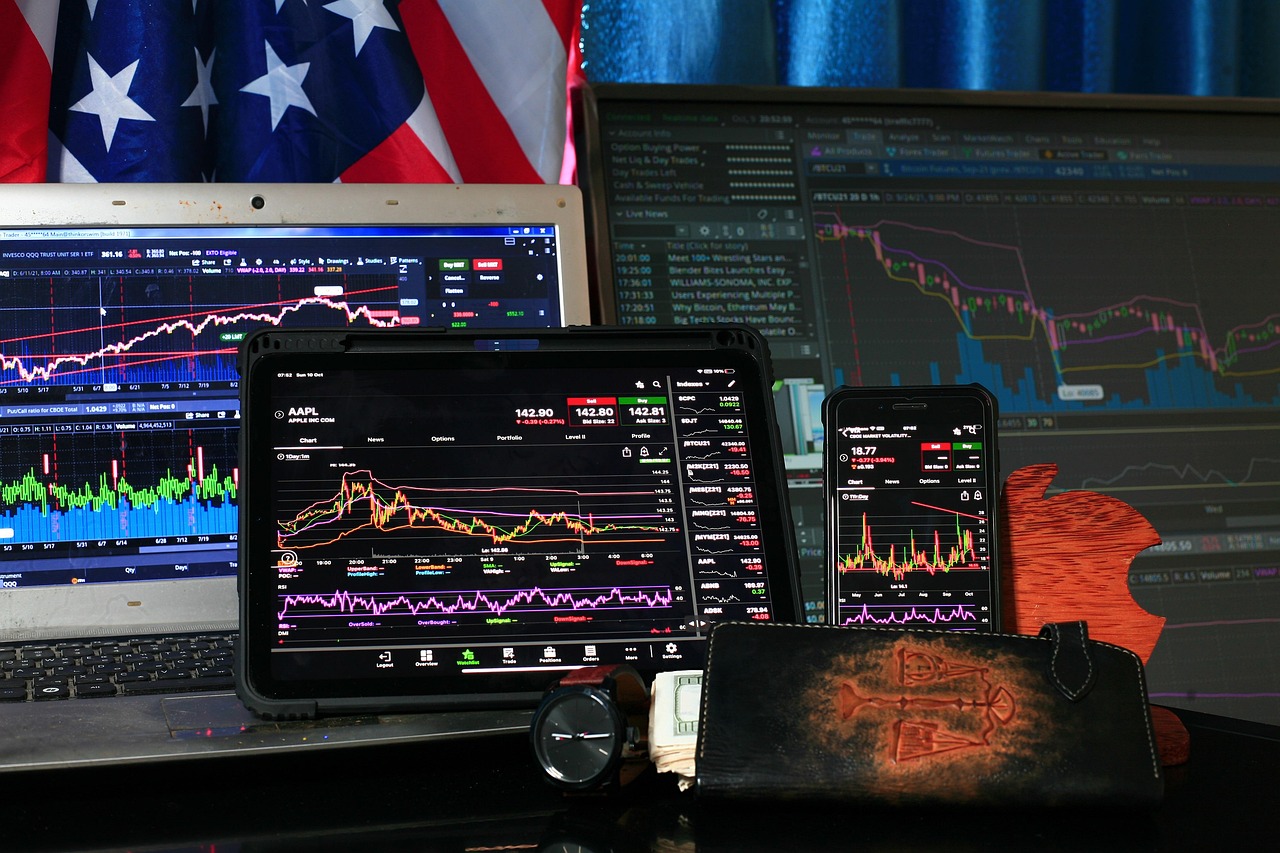
Courtesy: Sergei Tokmakov, Esq. from Pixabay
Wall Street opened sharply lower Tuesday as fears of a prolonged conflict in the Middle East sent investors scrambling out of riskier assets.
The Dow Jones Industrial Average plunged more than 1,100 points shortly after the opening bell, a drop of roughly 2.3%. The S&P 500 slid more than 2%, while the tech-heavy Nasdaq Composite sank a similar amount as traders reacted to rapidly escalating geopolitical tensions.
Volatility surged. The Cboe Volatility Index, known on Wall Street as the VIX and often referred to as the market’s fear gauge, jumped more than 20%, hitting its highest level in three months.
The selloff followed intensifying military activity involving Israel and Iran, along with warnings from US officials that operations could extend beyond a short-term exchange.
Global stocks follow suit
The downturn was not limited to US markets.
Europe’s benchmark Stoxx 600 fell more than 3%, while Japan’s Nikkei 225 dropped over 3%. South Korea’s Kospi index tumbled more than 7%, marking its worst day in months.
Investors across continents are grappling with the same concern: the possibility that a widening regional conflict could disrupt global energy supplies and reignite inflation pressures that central banks have spent years trying to contain.
The uncertainty has shaken confidence in equities, particularly in sectors sensitive to global trade and economic growth.
Oil prices surge on supply fears
Energy markets reacted swiftly.
US crude oil jumped 8% to nearly $77 per barrel after rising sharply the previous day. Brent crude, the international benchmark, climbed more than 7% to above $83 per barrel, its highest level since mid-2024.
The surge comes amid mounting fears that Iran could attempt to disrupt traffic through the Strait of Hormuz, a critical waterway through which nearly 20% of global oil consumption flows.
Even the suggestion of interference in the strait has been enough to rattle traders. Vessel operators and maritime insurers are reportedly wary of navigating the narrow passage as tensions rise.
Gasoline prices followed oil higher, climbing more than 10 cents per gallon in a single day. Diesel futures surged even more dramatically, reflecting concern over supply chains and transport costs.
Inflation fears resurface
Beyond immediate market losses, investors are increasingly worried about inflation.
Higher oil prices tend to filter through the economy, raising transportation, manufacturing and consumer costs. That dynamic could complicate plans by the Federal Reserve to cut interest rates later this year.
The US dollar strengthened as traders bet that persistent inflation risks could delay any easing of monetary policy. The dollar index climbed nearly 1% on Tuesday and has risen significantly over the past week.
Bond markets showed mixed signals. Yields on the 10-year Treasury moved higher as investors weighed whether the inflationary impact of rising energy prices would outweigh traditional safe-haven demand.
Gold and safe havens behave unexpectedly
Typically, gold rises during periods of geopolitical stress. But in a surprising twist, gold prices fell sharply Tuesday, reversing gains from earlier in the week.
The decline underscores the unusual nature of this market moment. Rather than rushing uniformly into traditional safe assets, investors appear to be recalibrating positions across the board, adjusting to the possibility of sustained conflict rather than a brief flare-up.
Natural gas prices in Europe soared more than 20%, compounding the pressure on energy-importing nations. US natural gas futures also rose solidly.
A fragile market faces new uncertainty
Markets had entered the week already on edge. Concerns about slowing global growth, stretched equity valuations and the path of interest rates were lingering beneath the surface.
The escalation in the Middle East has now added a powerful new variable.
For investors, the biggest unknown is duration. Short conflicts can cause temporary volatility, but prolonged instability has the potential to reshape energy markets, disrupt trade routes and dampen consumer confidence worldwide.
As traders digest fast-moving developments, volatility is likely to remain elevated.
For now, one thing is clear: Wall Street is no longer pricing in a brief disruption. Investors are beginning to brace for something that could last much longer and markets are reacting accordingly.
Source:CNN Business.
About the Author

Praise Swint
Wpseo_editor
Praise Swint is a contributor at Revelence, covering stories across news, entertainment, and culture.