Kanye West’s UK show sparks ban demands and the fallout is growing
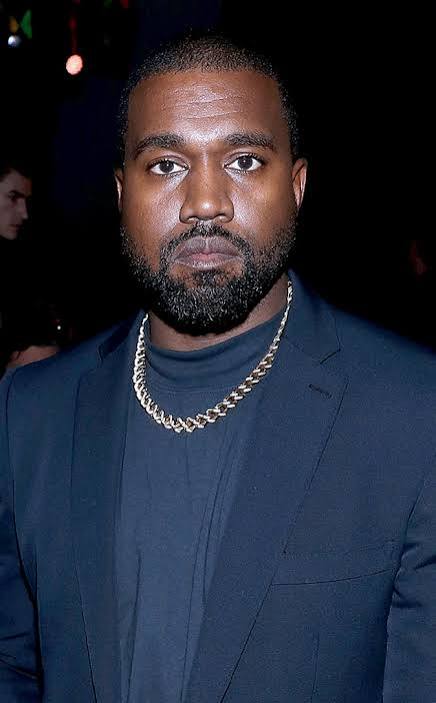
Courtesy:KanyeWest
Kanye West is facing mounting pressure ahead of his scheduled appearance at the Wireless Festival, with several organizations and political figures urging the U.K. government to block his entry.
The controversy stems from the artist’s past antisemitic remarks and actions, which have sparked renewed scrutiny as he prepares to headline the London-based event this summer.
The debate has quickly escalated beyond the music industry, drawing responses from advocacy groups, lawmakers and corporate sponsors.
Advocacy groups push for government action
The Campaign Against Antisemitism has taken a leading role in urging officials to intervene. The group has called on the government to prevent West from entering the country, citing concerns about public welfare and the impact of his previous behavior.
The organization argues that authorities have the power to deny entry to non-citizens whose presence may not align with public interest.
Their stance reflects broader unease within parts of the Jewish community and advocacy networks, many of which have expressed concern about giving the rapper a high-profile platform.
Political leaders add to pressure
Political figures across parties have also weighed in on the situation. Keir Starmer has publicly expressed concern about the decision to book West, highlighting the seriousness of the controversy surrounding the performer.
Meanwhile, lawmakers including Chris Philp have formally urged government officials to consider blocking the artist’s travel to the U.K.
Other political voices, such as Ed Davey, have echoed similar sentiments, calling for stronger measures in response to antisemitism.
The issue has now become a broader political conversation, with leaders debating where to draw the line between artistic expression and public accountability.
Sponsors and partners pull back
Corporate partners tied to the festival have begun distancing themselves as the backlash grows. Major brands have withdrawn sponsorship support following the announcement of West as the headline act.
Additionally, payment partners connected to the event have indicated they will scale back promotional involvement moving forward.
These decisions highlight the financial implications of the controversy, as companies weigh reputational risks against their association with the festival.
Despite the withdrawals, branding tied to some sponsors has remained visible on official platforms, suggesting an evolving situation.
A complicated history resurfaces
West, who has also performed under the name Ye, has faced repeated criticism in recent years over antisemitic remarks and behavior.
His history includes controversial public statements and creative projects that have drawn widespread backlash. He has also experienced intermittent suspensions from major social media platforms tied to these incidents.
The artist last performed in the U.K. more than a decade ago, making this planned appearance particularly significant.
While he has previously attempted to address criticism and repair his public image, the current reaction suggests that concerns remain deeply rooted.
What happens next for Wireless Festival
The future of West’s performance remains uncertain as pressure continues to build.
Organizers of the festival have not publicly confirmed any changes to the lineup, but the growing backlash raises questions about whether the event will proceed as planned.
The situation also places additional attention on the U.K. government’s role in determining entry permissions for high-profile international figures.
As discussions continue, the controversy surrounding West’s appearance has expanded into a wider conversation about accountability, free expression and the responsibilities of public platforms.
For now, the decision rests with both festival organizers and government authorities, as calls for action show no signs of slowing down.
Source: The Guardian
About the Author

Praise Swint
Wpseo_editor
Praise Swint is a contributor at Revelence, covering stories across news, entertainment, and culture.