Beloved 42-year BBQ giant faces shocking shutdown wave
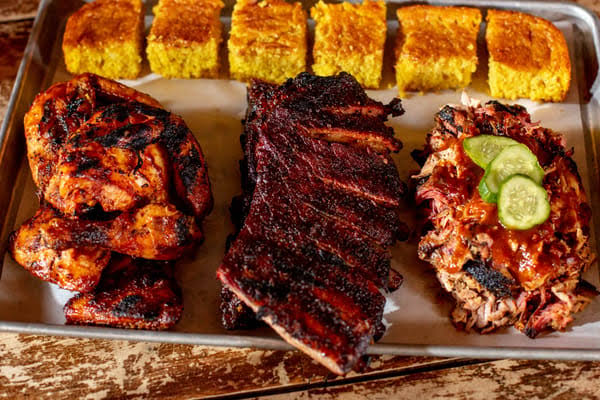
Courtesy:Dinosaur Bar-B-Que
A well-known barbecue brand that helped define casual dining in industrial-chic spaces is now facing a sharp contraction, as closures cut its national footprint in half and signal a major shift for the 42-year-old concept.
A barbecue legacy built on reinvention
Dinosaur Bar-B-Que (1) began in 1983 as a mobile food operation serving crowds at motorcycle rallies and festivals. What started as a small-scale setup quickly grew into a cult favorite built on smoky meats, bold sauces, and a laid-back atmosphere tied to live music and biker culture.
By 1988, (1) Dinosaur Bar-B-Que had opened its first permanent restaurant, setting the foundation for what would become a multi-city brand. Over time, it became known not only for its food but also for transforming unconventional spaces such as former warehouses and industrial buildings into lively dining destinations.
That approach helped the chain expand during its strongest years, with a peak of 10 locations spread across key Northeast and Midwest markets.
Brooklyn closure marks a turning point
One of the most recognizable closures for (1) Dinosaur Bar-B-Que came in Brooklyn, where a long-standing location is now set to shut down after 15 years of operation.
The restaurant, which had been built inside a converted industrial building, became a neighborhood fixture known for its live music, casual dining experience, and steady weekend crowds. However, its lease ended, and the property is now slated for demolition to make way for residential housing development.
The closure is not being driven by a lack of customers. Instead, it reflects a broader pattern in urban redevelopment, where restaurant spaces in revitalized neighborhoods are increasingly being replaced by high-value residential projects.
Over the past several years, (1) Dinosaur Bar-B-Que has also seen other locations close, including sites in Connecticut and New Jersey, signaling a gradual but steady reduction in its overall footprint.
Rising costs and changing dining habits reshape the chain
The restaurant industry has faced sustained pressure in recent years, and barbecue concepts in particular have been impacted by rising food costs, especially for meat, alongside higher labor expenses and post-pandemic shifts in dining behavior.
Barbecue, while widely popular, remains a challenging category for large-scale national expansion. Industry analysts have long noted that barbecue restaurants often perform best as regional or destination-style eateries rather than uniform national chains.
For (1) Dinosaur Bar-B-Que, this reality has become increasingly apparent. Even as the brand maintains loyal customers in its remaining markets, the economics of running large-format locations in high-cost cities has become more difficult to sustain.
What remains of the brand today
Despite recent closures, (1) Dinosaur Bar-B-Que still operates several locations, including restaurants in Syracuse, Rochester, Buffalo, Troy, and Harlem. These remaining sites continue to serve as core hubs for the brand’s identity and customer base.
The company’s founder, John Stage, originally built the concept from a grassroots operation into a recognizable chain before bringing in outside investment to support expansion. After periods of growth and restructuring, the business has since refocused on stabilizing its existing locations rather than aggressively opening new ones.
That strategy reflects a broader industry trend in which legacy restaurant brands are prioritizing sustainability over expansion, especially in categories where margins are tight and competition is intense.
Uncertain future for a once-growing favorite
While Dinosaur Bar-B-Que remains operational, its reduced footprint marks a significant turning point for a brand that once symbolized growth in the casual dining barbecue space.
The coming years may determine whether the chain stabilizes as a smaller regional operator or continues to contract further as real estate pressures and industry challenges persist.
For now, the story of Dinosaur Bar-B-Que serves as a clear example of how even long-standing restaurant brands can be reshaped by changing cities, shifting consumer habits, and rising operational costs.
Source: TheStreet reporting, Apr. 19, 2026
About the Author

Praise Swint
Wpseo_editor
Praise Swint is a contributor at Revelence, covering stories across news, entertainment, and culture.