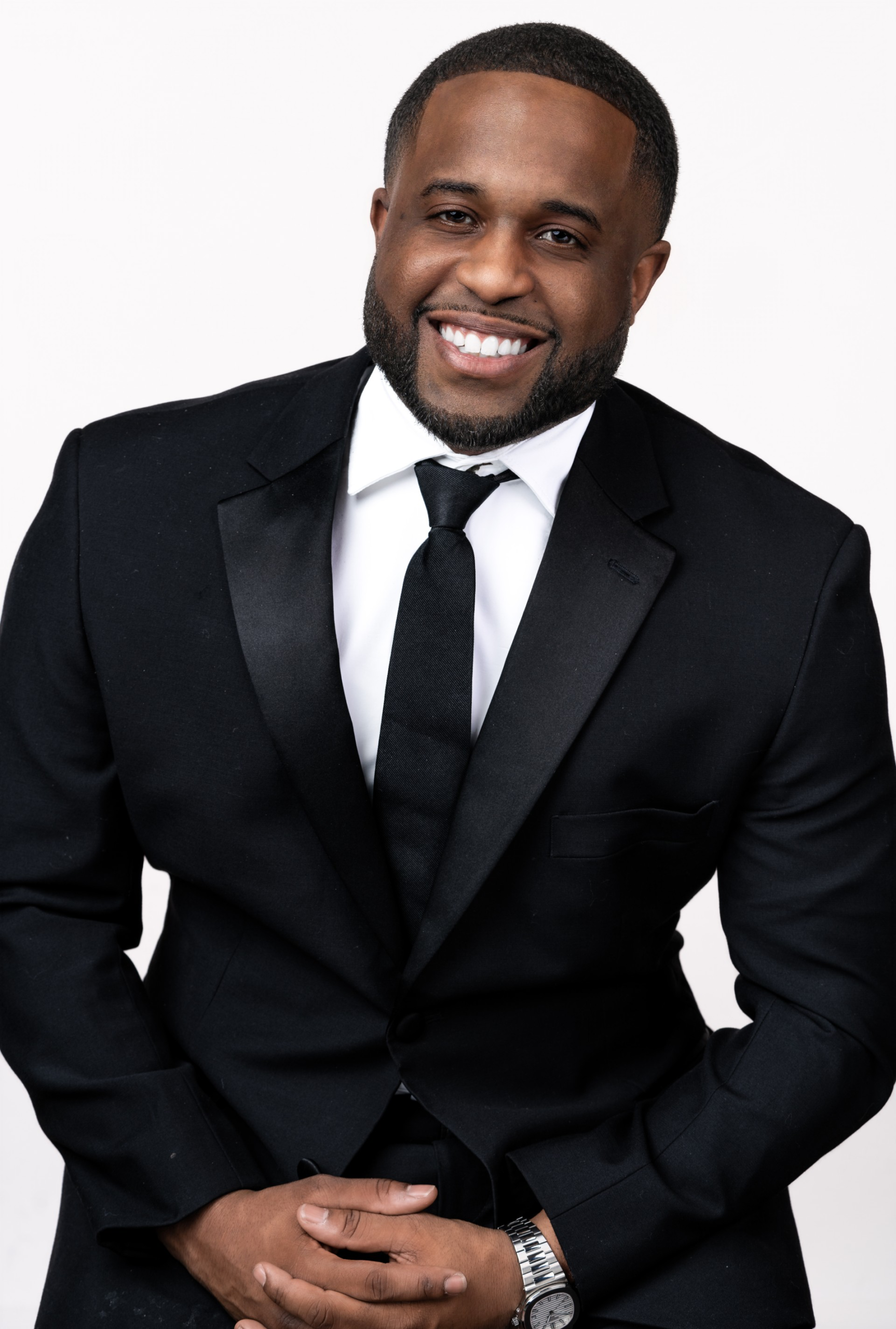
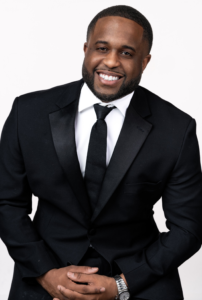
Roderick Batson is brillantly proving that ability not disability defines the workforce.Houston-based CEO, serial entrepreneur, and philanthropist Roderick Batson is building more than businesses he’s building bridges. Through ventures like Howdy Homemade Ice Cream and Helping Heroes Staffing, Batson has made inclusive hiring for people with special needs the centerpiece of his entrepreneurial identity. Inspired by his late cousin who had Down syndrome, Batson grew from a young man chasing Lamborghinis to a purpose-driven leader who believes the most reliable employees in America are the ones corporate America overlooks most. In recognition of National Autism Awareness Month, Batson sat down to share why he bought an ice cream shop during COVID, what people with autism have taught him about excellence, and why “shooting your shot” might be the most important business lesson of all.
What shaped your path toward entrepreneurship focused on inclusion?
Growing up, my cousin Eazy had Down syndrome. My family’s from Third Ward, Houston, Texas, and we grew up together so I never saw individuals with special needs as different. He passed away during COVID. I always told myself that if I ever reached financial stability, I wanted to give back to the special needs population. Growing up, I thought everything you did for that community was nonprofit that you couldn’t make money doing it. But as I got into the entrepreneurial space, I realized we can employ these individuals, and they can be amazing workers. We’re changing the way people see business and who you can hire.
You’ve been very successful financially. What made you shift from chasing wealth to chasing purpose?
At 28, I was able to afford everything I ever wanted. I bought a Lamborghini the thing I told myself at 5 years old would make me the happiest man in the world. At 29, I was miserable. I went through a period of depression. I had a seven-bedroom home, eight cars, and it was one of the lowest times of my life.
Then COVID came and slowed everything down. I started to find the real meaning of life. When I worked for Child Protective Services right out of college, I was making $42,000 a year and I was the happiest I’d ever been. That told me it wasn’t about money or materialistic things it was about walking in your purpose.
During COVID, I saw Tom Landis, the founder of Howdy Homemade Ice Cream, on Good Morning America. He was with an employee who looked just like my cousin. He was about to shut the business down he’d depleted a GoFundMe of about $90,000 and couldn’t keep the doors open. I called him. He didn’t know me from a can of paint. Three weeks later, I bought Howdy. That was a God thing.
What does inclusive hiring for people with special needs actually look like in practice at Howdy?
They don’t have another shot. If I don’t like my job, I can apply somewhere else and get one. They don’t have that option so their sense of urgency and commitment is unlike anything I’ve seen in the traditional workforce. They don’t steal. I don’t have a camera over my cash register wondering who’s taking from me. And they don’t look to clock out they call to pick up more shifts. You run into the opposite problems.
We also modified our systems to put them in a position to win. Our cash register uses round numbers one scoop is $5, two scoops is $7, a topping is $1. They may not be able to make change for $4.37, but they can hand back a $5 bill all day. You modify the systems. You put people in a position where they can succeed.
Out of my 120 employees, the 30 with special needs are my best ones. The other 90 with master’s degrees? They give me all my gray hairs.
What do you think people still fundamentally misunderstand about autism, especially in the context of employment?
We always look at people’s disability instead of their abilities. If the world can start looking at what people can do instead of what they can’t do, the potential becomes undeniable. All of us have a disability in some form or fashion some of us are egotistical, some are know-it-alls. These are disabilities too. They prevent and hinder us.
At Howdy, we just focus on the ability instead of the disability. We try to see the best in people, and then we put them in a position to win.
There’s an unemployment gap in this country. What would you say to business owners who are on the fence about inclusive hiring?
There’s a reason “now hiring” signs are everywhere we keep looking in the same places, and the talent isn’t there. You have incredible individuals wanting opportunities that we overlook because they may be ex-offenders, overweight, or have a disability. These are still good candidates who deserve a shot.
Think about when we all graduated college. Every job wanted work experience. But how do you have experience when you just got out of school? Somewhere, somebody took a chance on you. They said, “You have zero experience, but you showed up on time, you’re articulate, I like your drive.” They gave you a shot, and you proved yourself. That’s all these individuals need just give them a shot.
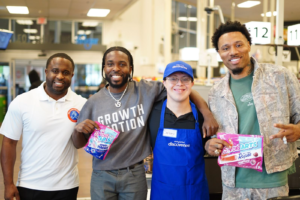
What’s the most powerful transformation you’ve witnessed that people wouldn’t expect?
An individual with autism taught me, my sister, and my assistant who are former teachers with 19 years of experience combined how to properly work our cash register. We kept entering the 6.75% tax rate and getting totals like $4.87. He looked at us and said, “No, you’re doing it wrong.” Off the top of his head, he showed us how to enter it so it came to exactly $5.
It’s very intriguing to see individuals we label as “disabled” teaching master’s-level people lessons every single day. Story after story. I recommend people interact with them every chance they can you’ll learn everything you need to know.
If you could scale this inclusive hiring model nationally, what would need to change first?
The mindset. When schools were segregated, it was because people didn’t believe African Americans could keep up. When women didn’t have rights, it was because people felt they couldn’t do the job. It’s the same barrier now disabled versus abled. When you put those kinds of barriers on a population, you’re indirectly saying they can’t keep up. Take the barriers away, and you’ll see they don’t just keep up they surpass.
In any business, you want two things: good customer service and a good product. They win at customer service every time, because they don’t bring real-world problems into the workspace. When I get broken up with, it’s hard not to wear that at work. They come in every day like it’s heaven on earth. If you have a strong product and that kind of customer service energy, you’re going to win. The barriers are slowly starting to break down it’s just happening a little slower than expected.
How do you see yourself as a businessman or someone answering a deeper calling?
These gifts aren’t mine they’re His, and I’m just trying to share them. I feel like God gave me the flashy things the cars, the money so people would listen. If you don’t have anything, people don’t respect your message. But once they ask “what do you do?” that’s the platform. That’s the opportunity to change something.
The difference between the 20-year-old me and the 30-year-old me is that I had the same things, but back then I used them to say “look at me.” Now I use them to show people the way.
What would you say to someone on the fence about betting on themselves?
Find your purpose, and walk in it. Have faith, because God has already taken two steps for us. The biggest thing holding people back is fear fear of failing, fear of it not working. When you find your purpose, just go. You never know who you can inspire or what life you can change if you don’t try.
I tell my son this when he doesn’t want to shoot the ball on the court: I guarantee if you don’t shoot, you won’t make it. If you shoot, at least you have a chance. Your odds are better trying than not trying. You’ve got a 0% chance if you don’t try. You’ve got a 50% chance if you do. Go with the odds.
To follow Roderick Batson’s journey and learn more about Howdy Homemade Ice Cream, visit HowdyHomemadeKaty.com or follow @HowdyHomemadeKaty on Instagram.
For more on inclusive hiring practices and the Americans with Disabilities Act, visit the U.S. Department of Labor’s Office of Disability Employment Policy.
About the Author