Courtesy:TimesNow
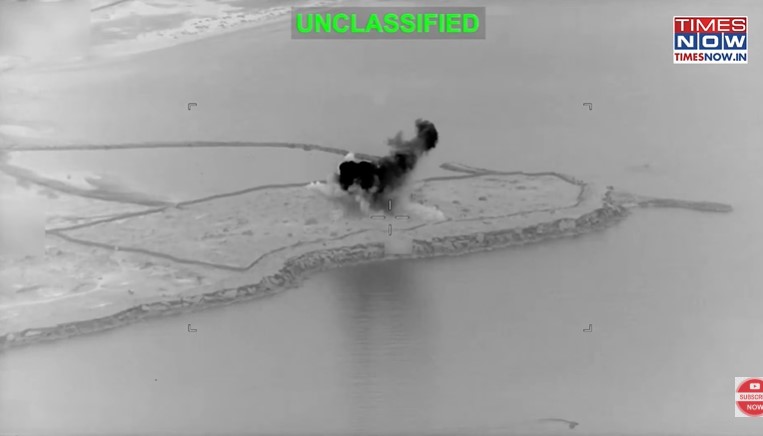
The US Iran ceasefire Strait of Hormuz situation worsened sharply over the weekend. US Central Command confirmed that American forces shot down two Iranian one-way attack drones on Saturday. Those drones threatened international maritime traffic in the crucial waterway. Moreover, US forces had already downed four other Iranian attack drones on Friday. Furthermore, the back-to-back intercepts show that ceasefire violations are happening almost every day despite ongoing diplomatic efforts.
US Central Command stated it remains ready to defend against Iranian aggression. Consequently, American forces are maintaining an active deterrence posture rather than standing down. Additionally, Iran also launched attacks toward Kuwait and Bahrain earlier in the week. Both Gulf states intercepted the incoming missiles before they caused major damage.
Pakistan steps in as mediator amid deadlocked talks
Pakistani Interior Minister Mohsin Naqvi flew to Tehran on Saturday for a new round of negotiations on behalf of the United States. He sat down with Iranian Interior Minister Eskandar Momeni on Saturday night. Moreover, Naqvi carried a letter from Pakistani Army Chief Asim Munir directly to Iran’s Supreme Leader Ayatollah Mojtaba Khamenei. Furthermore, Iranian Foreign Minister Abbas Araghchi also met with Naqvi on Sunday, according to Tasnim news agency.
Pakistan has carved out a key mediating role since the US-Iran war began. The talks are currently deadlocked on several unresolved issues. Moreover, the two sides remain far apart on Iran’s nuclear enrichment program, its uranium stockpiles, the unfreezing of approximately $24 billion in Iranian assets, and freedom of navigation through the Strait of Hormuz. Consequently, significant gaps remain between the two sides despite the dialogue continuing.
President Trump said on Friday that the Iranians are strong and proud. He added that they face demands they never expected to meet, but they have no choice. Additionally, Trump has said he is prepared to wait while both countries finalize a memorandum of understanding. Consequently, he is holding that patience even as daily violations continue testing the ceasefire framework.
US plans to redirect Iranian assets toward Gulf repairs
A significant development emerged on Saturday alongside the drone intercepts. The United States plans to redirect frozen Iranian assets toward rebuilding Gulf countries that Iranian strikes have damaged. A source familiar with Treasury Secretary Scott Bessent’s thinking confirmed the plan. Moreover, the Treasury Department will also consider using those assets to cover past damage already inflicted across the region. Furthermore, Bessent’s team will assess conditions in affected Gulf countries and request repair cost estimates before making final decisions.
Kuwait and Bahrain have faced repeated Iranian attacks since the United States and Israel first launched strikes in February. Kuwait’s Interior Ministry released video showing significant damage to the passenger building at Terminal 1 of Kuwait’s airport. Consequently, the proposal to redirect frozen Iranian assets toward reconstruction carries both practical and symbolic weight.
This approach creates real diplomatic complexity. The United States currently holds significant Iranian assets frozen under sanctions enforcement. Additionally, redirecting those funds toward rebuilding US-allied Gulf states removes a key Iranian bargaining chip. Therefore, the announcement may sharpen pressure on Tehran’s negotiating position even as the talks in Iran continue.
Lebanon fighting intensifies despite ceasefire deal
The Lebanon front added another layer of tension to an already complicated regional picture. Both the Israeli and Lebanese armies reported personnel deaths in southern Lebanon on Saturday. Two Israeli soldiers died in separate incidents. Moreover, an Israeli strike killed several Lebanese army soldiers, including a high-ranking officer. Furthermore, Lebanon’s Health Ministry reported that at least 3,593 people have died and 10,990 have suffered wounds in Lebanon since March 2, 2026.
Israeli forces and Iran-backed Hezbollah kept fighting despite a US-mediated ceasefire that the governments of Israel and Lebanon reached earlier in the week. Hezbollah rejected that agreement entirely. Consequently, Israeli forces continued striking Hezbollah positions in southern Lebanon. Additionally, the Israel Defense Forces confirmed intercepting two projectiles that crossed from Lebanon into northern Israeli territory on Sunday morning.
Source: CNN
About the Author