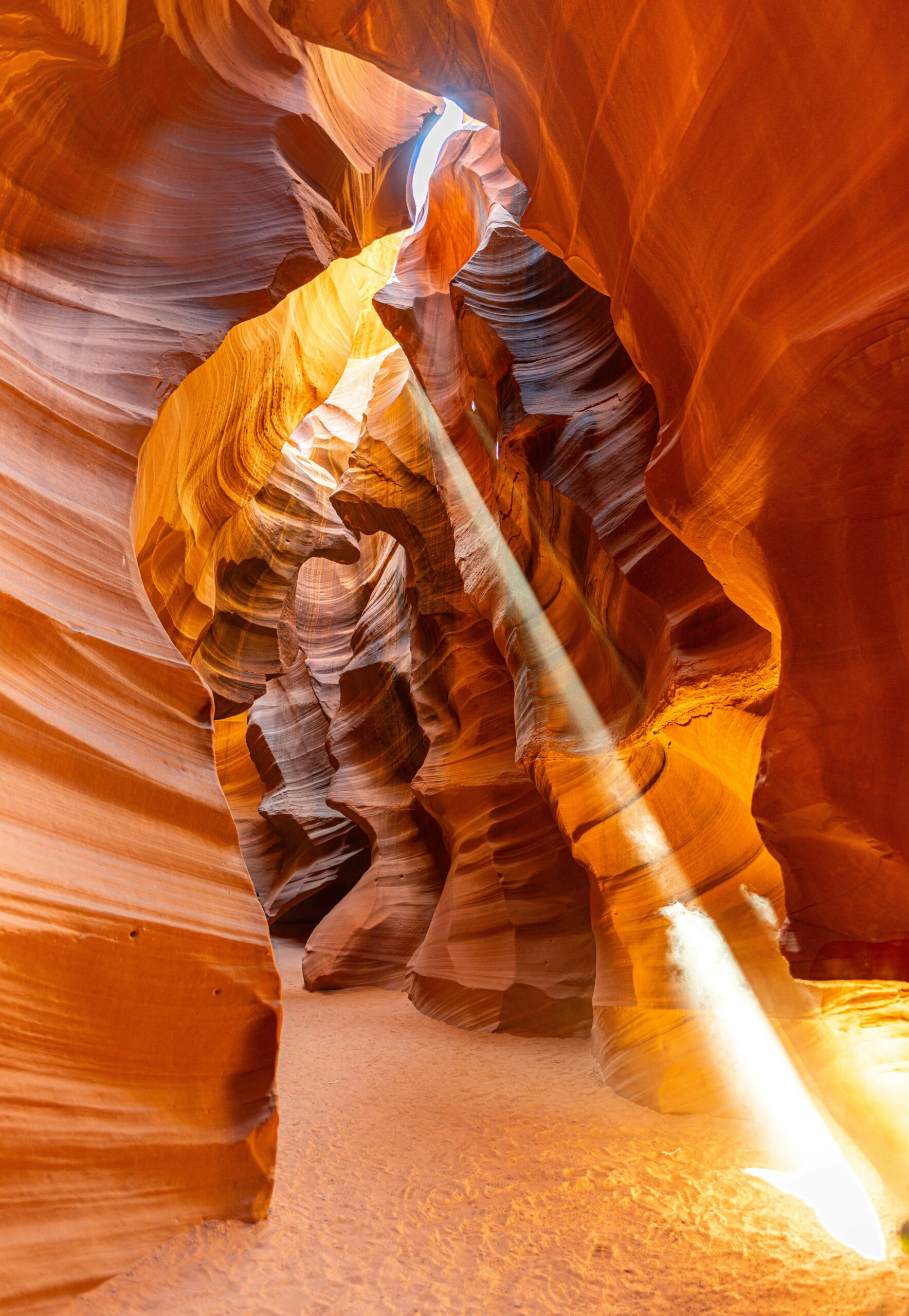
Photo by Joseph Corl on Unsplash
These 3 American destinations are consistently celebrated as among the most beautiful in the country
You do not always need a passport to find scenery that stops you cold. The United States hides landscapes so extraordinary that even lifelong residents struggle to believe what they are seeing. Major travel publications consistently celebrate these 3 destinations. National Geographic, Travel + Leisure and Condé Nast Traveler have all featured them repeatedly. Each one needs to be seen to be believed.
Antelope Canyon, Arizona
Few places on earth produce light like Antelope Canyon. It sits on Navajo land near Page, Arizona. The narrow slot canyon channels sunlight into beams that pour through sandstone walls. Colors range from deep orange to vivid gold. National Geographic has repeatedly featured it among the world’s most photographed natural sites. Moreover, the swirling rock formations took millions of years to carve. The result looks less like a canyon and more like a living painting.
Visiting requires a guided tour through an authorized Navajo Nation operator. Upper Antelope Canyon offers the most dramatic light beams. They typically appear between 10 a.m. and 1 p.m. Lower Antelope Canyon is narrower and involves ladders. However, it rewards visitors with extraordinary wave-like formations throughout. Additionally, the canyon sits on protected Navajo land. That cultural significance adds a weight to the experience that photographs simply cannot capture.
Havasu Falls, Arizona
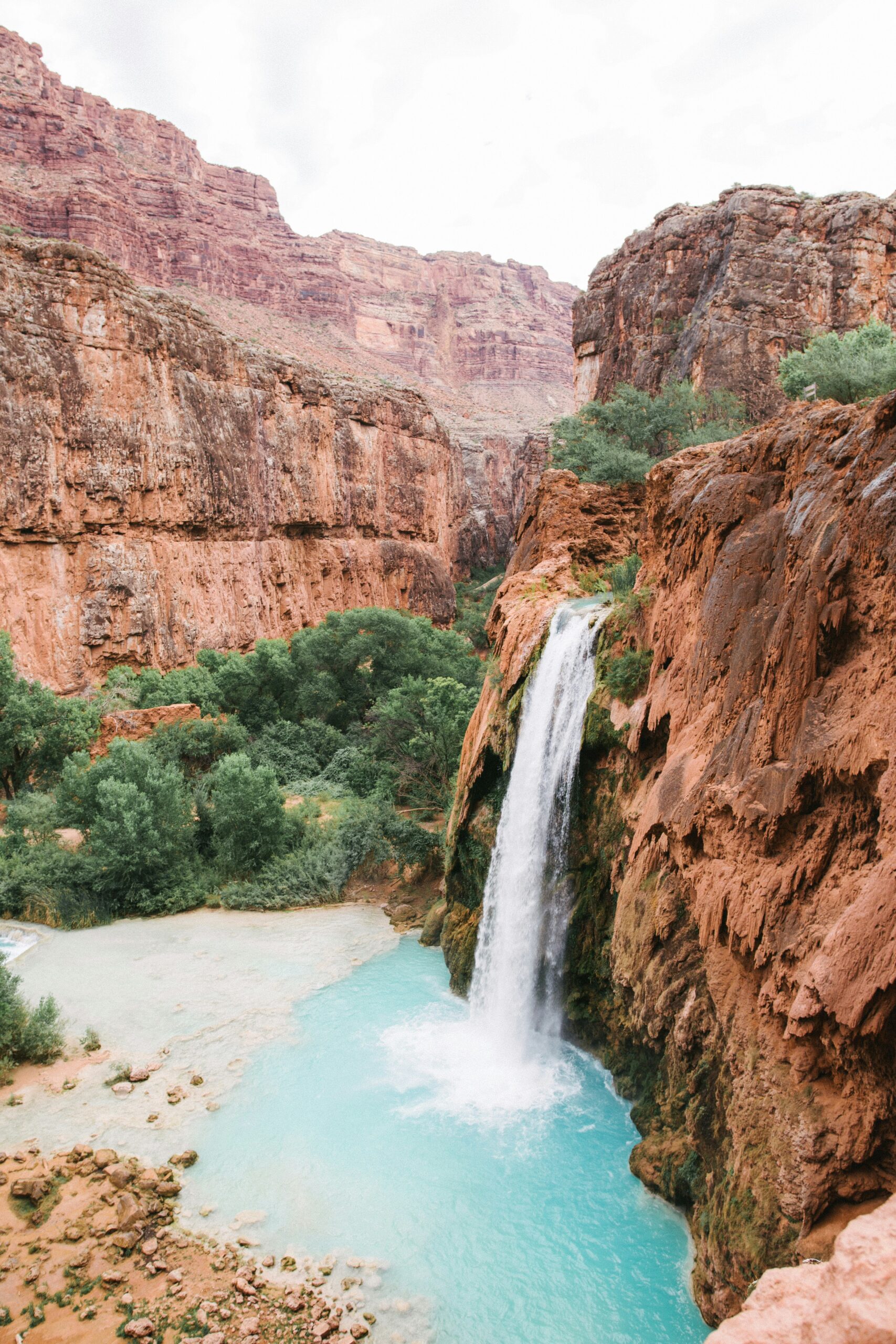
Travel + Leisure and Condé Nast Traveler both regularly feature Havasu Falls among America’s most spectacular destinations. It sits hidden deep within the Grand Canyon on Havasupai tribal lands. The falls cascade over red rock into turquoise pools below. The color looks digitally enhanced. In reality, it results from high concentrations of calcium carbonate in the water. That natural phenomenon is unique to this canyon system.
Access requires a permit and a 10-mile round trip hike. Permits sell out almost immediately after annual release. Therefore, planning well in advance is essential. Furthermore, visitors must respect the rules of the Havasupai Tribe. This has been their ancestral home for centuries. The journey itself adds emotional weight to the arrival. Consequently, reaching the falls feels like one of the most rewarding experiences in American nature travel.
The pools beneath the falls are warm and shallow enough to wade safely. As a result, most visitors spend hours simply sitting in the water. They stare up at the falls and try to reconcile what they are seeing with reality.
Maroon Bells, Colorado
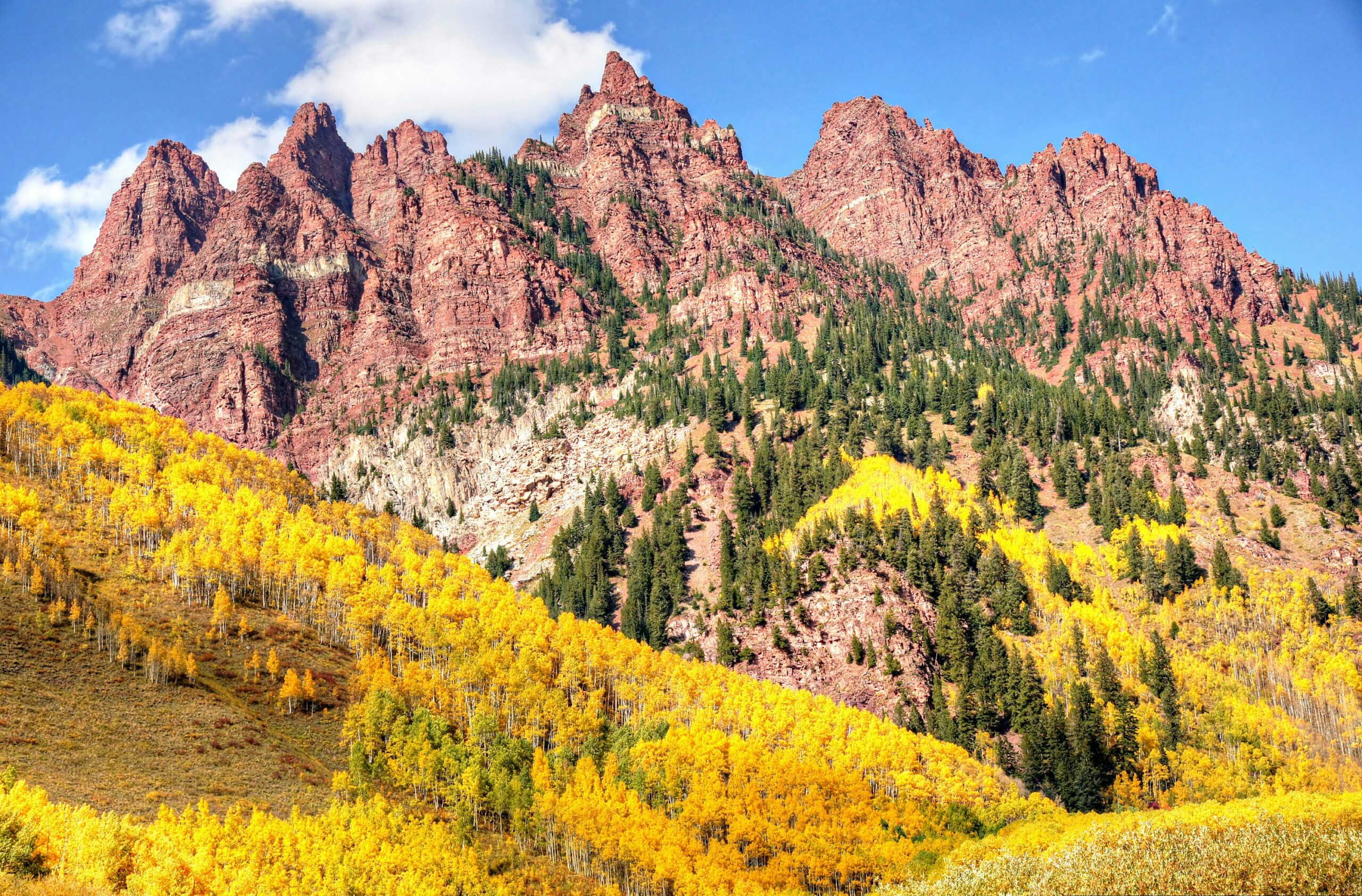
The Maroon Bells near Aspen are widely cited as the most photographed mountain scene in North America. The twin peaks reflect perfectly in Maroon Lake below. Both National Geographic and Travel + Leisure have featured the location repeatedly. In autumn, surrounding aspen trees turn brilliant gold. That seasonal color adds yet another layer to a view that already seems almost impossible. Furthermore, the peaks rise above 14,000 feet. The elevation gives the air a clarity that makes everything look sharper and more vivid.
The area is accessible by shuttle from Aspen during peak season. Private vehicle access is available before 8 a.m. Arriving at sunrise is ideal. The light hits the peaks dramatically at that hour. Additionally, the lake reflection is calmest in the early morning. For those wanting more, the surrounding Maroon Bells-Snowmass Wilderness offers trails for all levels. Options range from easy lakeside walks to serious backcountry routes.
Together, these 3 destinations prove a simple truth. Some of the most celebrated natural wonders on earth require no long-haul flight. They simply require the willingness to go looking.
Destinations featured here are consistently recognized by National Geographic, Travel + Leisure and Condé Nast Traveler as among the most scenic natural sites in the United States.
About the Author