Courtesy: TikTok
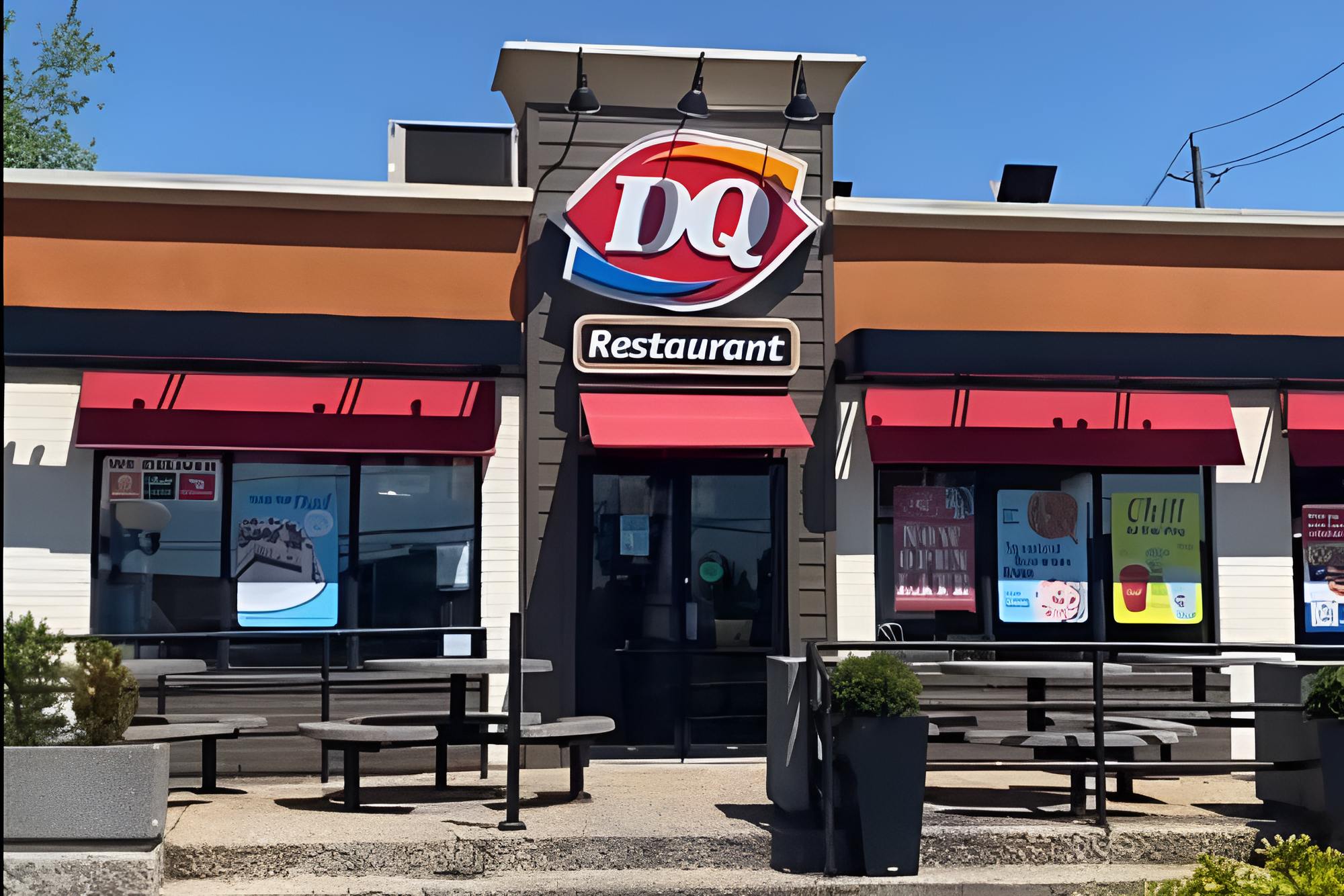
Dairy Queen has closed 46 locations across the United States since early 2025. The most recent wave hit Alaska at the end of June, when a franchisee shut three stores in Anchorage, Wasilla and Palmer on June 30. One Dairy Queen now remains in the entire state, located in Soldotna. The chain has operated for 86 years.
The Alaska closures came days after a Great Falls, Montana, location shut down on June 13 after 39 years of operation. The former owner there plans to open a Mediterranean restaurant in its place. Both closures added to a contraction that began far earlier and on a much larger scale.
The Texas legal fight that drove most Dairy Queen closures
The bulk of the 46 closures trace back to a dispute between Dairy Queen corporate and a Texas-based franchisee called Project Lonestar. In February 2025, Project Lonestar abruptly closed 30 Texas locations over disagreements about remodeling requirements and royalty payments. Twelve more closures followed in March 2025.
American Dairy Queen Corporation pulled the franchises from Project Lonestar after the company refused to bring its locations up to corporate standards. Once corporate terminated those franchises, the locations lost access to corporate supply chains and shut down. The dispute also blocked Project Lonestar from selling its franchise locations, leaving closure as the only option.
Project Lonestar sued Dairy Queen in February 2025, claiming the corporation caused $4 million in damages. A Dairy Queen spokesperson described the Texas closures as an isolated event and declined to share contract details publicly.
Why the Alaska Dairy Queen closures happened separately
The Alaska closures had nothing to do with Texas. A different franchisee owned the three Anchorage, Wasilla and Palmer locations. The owner of the one surviving store in Soldotna, Pete Ischi, said the prospect of buying those three locations came up but he chose not to pursue it. He cited the logistical difficulty of operating stores so far from distribution networks. Suppliers in Oregon and Washington can reach nearby states quickly. Alaska requires freight shipments and a different level of operational planning. Ischi called the shutdown shocking but said taking on those stores made no practical sense for his business.
What the broader industry picture looks like for Dairy Queen
The closures reflect wider pressure across the restaurant industry. Rising costs, labor challenges and changing spending habits have pushed many chains to reduce their number of locations. Food prices away from home climbed 3.5% in the 12 months ending May 2026, according to the US Bureau of Labor Statistics. That kind of increase has made customers more selective about where they spend.
Despite Dairy Queen’s contraction, the ice cream shop sector as a whole grew by 5.8% to $7.4 billion in the five years through 2025, according to IBISWorld. The industry is not shrinking. Individual operators and franchisees are just under more pressure than before to manage costs and stay competitive.
Dairy Queen’s parent company, International Dairy Queen Inc., is a subsidiary of Berkshire Hathaway, which acquired it in 1998 for $585 million. The company runs roughly 7,800 restaurants across 20 countries. The US closures represent a fraction of that footprint but carry real meaning for the communities that lost their local stores.
SOURCE: ECIKS.org
About the Author