Photo by Wes Warren on Unsplash
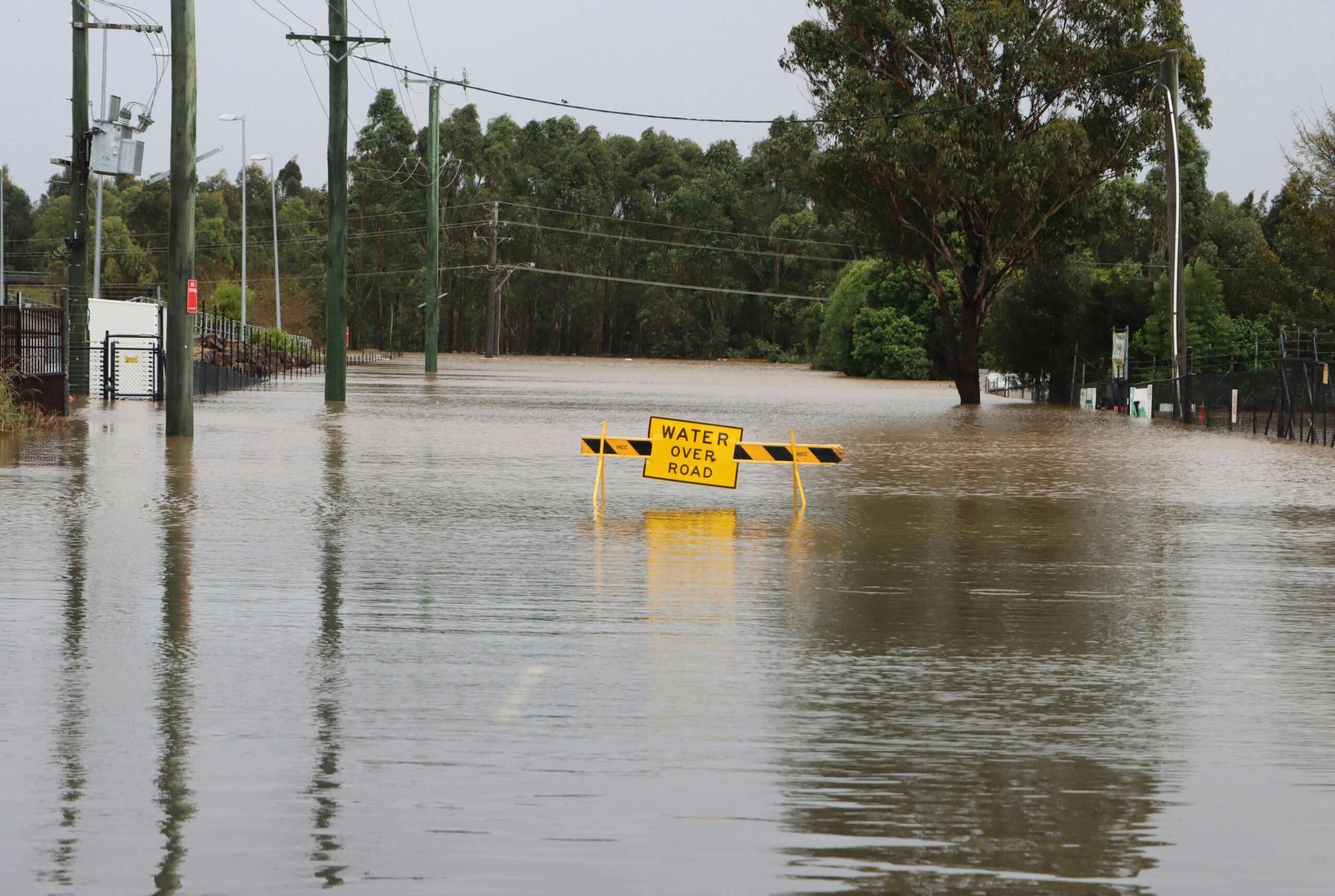
The New York City flash flooding July 2026 emergency developed rapidly on Saturday after days of smoky skies from Canadian wildfires and dangerous heat baked the region. The National Weather Service reported that two to four inches of rain fell across the city by early afternoon. Some neighborhoods received rainfall at rates of up to one inch per hour.
The National Weather Service also issued a flood watch covering all five boroughs, southern Westchester County and northeast New Jersey through 2 a.m. Sunday. City emergency officials identified lower Manhattan, western Brooklyn and Queens as the hardest-hit areas. Heavy rain and already saturated ground quickly triggered widespread flooding.
The National Weather Service warned that flooding could disrupt transportation, flood basements and require water rescues. Officials urged residents living in basement apartments to move to higher floors. Earlier in the week, Gov. Kathy Hochul warned New Yorkers about possible power outages, fallen trees and road closures. Even so, the storm’s intensity caught many residents and commuters by surprise.
Dramatic scenes unfold across roads and neighborhoods
Videos posted online showed several submerged vehicles on a roadway above the Brooklyn-Queens Expressway. Two men stood in front of a white truck as knee-deep water surrounded the vehicle. Nearby, another person walked through waist-high floodwater.
Floodwater also covered streets in Woodside, Queens. Murky water rushed across sidewalks throughout the city during the heaviest rain. As a result, residents shared dramatic footage across social media as conditions worsened.
Flooding forced officials to close every lane of the Long Island Expressway at 188th Street in both directions for several hours before crews reopened the roadway. Authorities also shut down the Clearview Expressway at Northern Boulevard during the worst part of the storm.
In neighboring New Jersey, police officers and firefighters rescued people trapped inside five vehicles in Newark. Public Safety Director Emanuel Miranda said emergency crews safely removed every driver and passenger without injuries. The flooding created dangerous conditions on both sides of the Hudson River.
Airports and transportation feel the impact
The storm disrupted travel across the New York metropolitan area on one of the busiest weekends of the year. The Federal Aviation Administration issued ground stops for LaGuardia Airport, John F. Kennedy International Airport and Newark Liberty International Airport on Saturday evening.
Those restrictions delayed or canceled flights throughout the region. The disruptions also came just one day before the FIFA World Cup final in nearby New Jersey, creating additional challenges for thousands of travelers.
The weather also affected sporting events. Officials postponed the Yankees-Dodgers game at Yankee Stadium and moved it to Sunday’s doubleheader.
Meanwhile, water poured onto subway tracks and disrupted service at multiple stations, according to the Metropolitan Transportation Authority. Mayor Zohran Mamdani’s office urged residents and visitors to remain alert and avoid unnecessary travel while the storm continued.
Wildfire smoke adds another challenge
The flooding followed several days of poor air quality caused by smoke drifting south from Canadian wildfires. Canadian officials reported nearly 1,000 active wildfires across the country on Saturday.
Smoke and extreme heat had already created health concerns across New York City before the storm arrived. Forecasters said rain, shifting winds and an approaching cold front should gradually improve air quality. However, officials warned that smoke could linger in some communities.
Meteorologists expected additional rounds of severe thunderstorms through Saturday evening. The National Weather Service warned residents about more flooding, damaging winds and the possibility of tornadoes.
Officials also encouraged people living in basement apartments and flood-prone neighborhoods to stay alert throughout the evening. They warned that conditions could worsen even after the first wave of rain moved through.
The New York City flash flooding July 2026 emergency became one of the region’s most disruptive weather events in recent years. The storm struck just as New York and neighboring New Jersey prepared to host the World Cup final, adding another challenge to an already busy weekend.
Source: CNN Wire / Ray Sanchez
About the Author