Photo by Maxim Hopman on Unsplash
AI jitters send South Korea’s stock market into a terrifying freefall
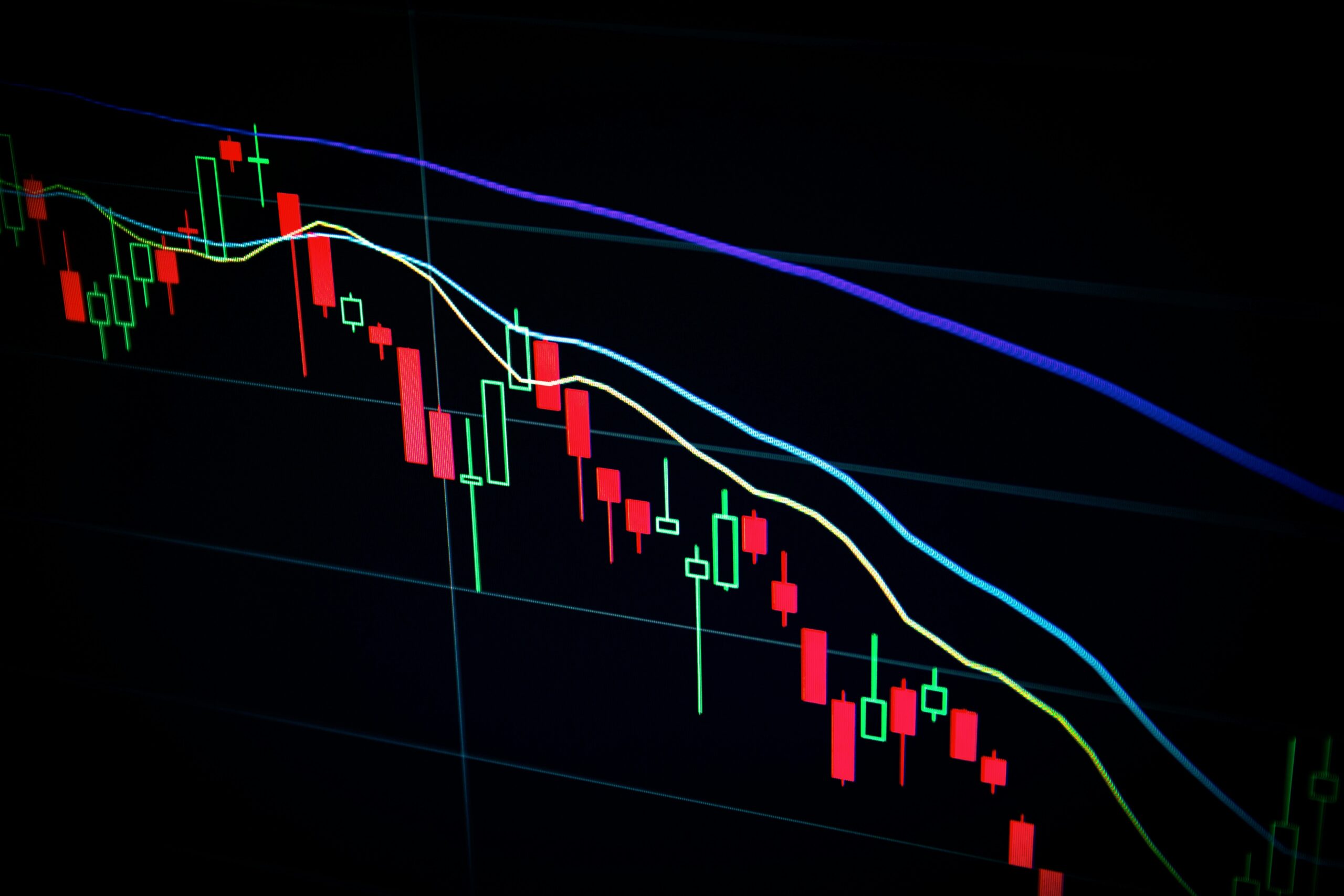
Volatility is back in the global stock market, and AI stocks are once again at the center of it. A mild tech sell-off in the United States on Monday quickly spread to Asia on Tuesday. The nervousness hit South Korea hardest. The Kospi index plunged 10% in a single session, a drop severe enough to trigger a circuit breaker that forced a 20-minute trading halt to cool things down.
The two biggest casualties were SK Hynix and Samsung, both global leaders in memory chip manufacturing. Each fell more than 12% on the day. That matters enormously because together, the two companies account for roughly half of the Kospi’s total market value. When they fall, the entire index follows.
No single cause, but plenty of fear
Traders and analysts struggled to point to one clear trigger for the sell-off. Some noted that Google and SpaceX both dropped sharply on Monday. Google fell around 5%, largely tied to a prominent AI executive leaving the company for Anthropic. SpaceX, meanwhile, experienced the kind of post-IPO turbulence that often follows a stock that surges immediately after going public.
Others pointed to growing expectations that the Federal Reserve could raise interest rates later this year. New Fed Chairman Kevin Warsh signaled as much during his first press conference last Wednesday, pledging to double down on fighting inflation. Markets read that as a clear hint that rate hikes are coming, and they reacted with an immediate sell-off at the time.
Why AI stocks are so vulnerable right now
The deeper issue is that AI companies carry sky-high valuations built on enormous expectations for future growth. That kind of pricing leaves very little room for doubt. When investor sentiment shifts even slightly, the reaction can be extreme.
The Kospi had already climbed 90% this year heading into Tuesday’s session. That kind of run-up creates its own fragility. A sudden shift in mood sends traders and trading algorithms racing for the exits at the same time. The fear is simple: nobody wants to be holding the bag when the market peaks.
The honest reality, though, is that no one can say with certainty where that peak is. The AI growth story may still have a long way to run.
The sell-off spreads across Asia and back to the U.S.
South Korea was not alone in feeling the pain. Japan’s Nikkei dropped 3.6% on Tuesday. Tech investment giant SoftBank sank 15%. Most other major Asian indexes finished down more than 1%.
The anxiety then circled back to the United States. Nasdaq futures fell 2.8% after the index had already lost 1.3% on Monday. Futures tied to the S&P 500 pointed to a 1.2% drop at the open. The Dow looked set to open around 200 points lower, a decline of roughly 0.3%.
Despite the turbulence, it is worth keeping perspective. The Nasdaq has only fallen about 3.4% from its all-time high set on June 2. U.S. stocks have spent most of the past two months hovering near record territory. After President Donald Trump announced a ceasefire in Iran in April, markets largely moved past the conflict and refocused on AI developments and Federal Reserve policy.
Oil prices continued to dip slightly on Tuesday as traders responded positively to progress in ongoing peace negotiations, a sign that not every corner of the market is in panic mode.
Source: CNN Business
About the Author