Photo by Jimmy Woo on Unsplash
Supreme Court delivers Trump 2 sweeping immigration victories in historic rulings
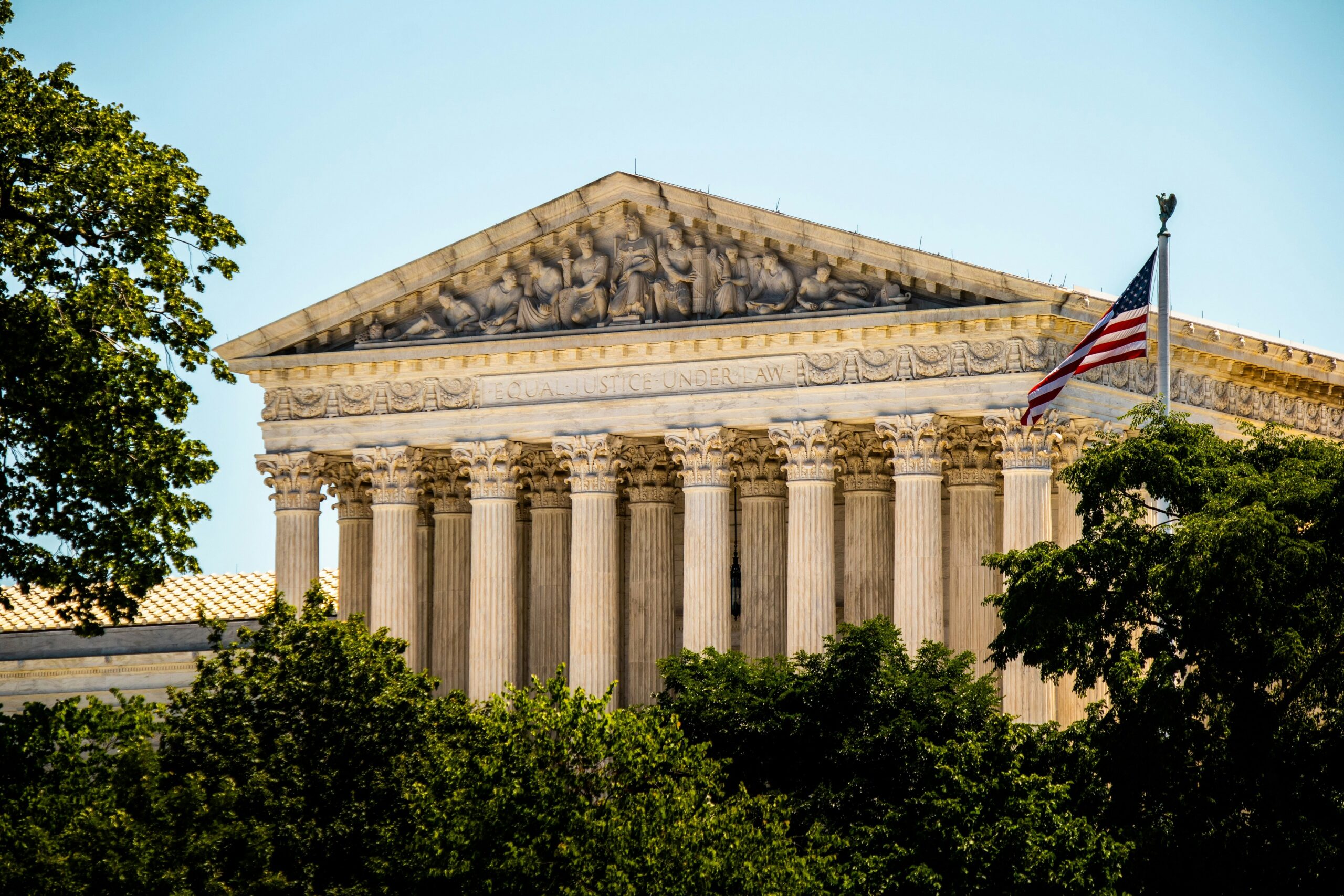
The Supreme Court handed President Donald Trump a pair of landmark immigration victories on Thursday, June 25, 2026. Specifically, the court issued 2 separate 6-3 decisions. Together, they cleared the way for the administration to end Temporary Protected Status for more than 1 million foreign nationals. Additionally, they revived a controversial policy limiting the number of migrants border officials must process for asylum claims. Conservative Justice Samuel Alito wrote both majority opinions. The court’s 3 liberal justices dissented sharply in both cases.
The decisions represent the most significant judicial affirmation of Trump’s immigration agenda to date. Moreover, they could trigger the largest deportation event in modern American history.
What the TPS ruling means
Temporary Protected Status, commonly known as TPS, is a form of humanitarian relief. It allows nationals from countries experiencing armed conflict or natural disasters to live and work legally in the United States. The Trump administration had moved to terminate TPS for 13 of the 17 countries designated under the Biden administration. Multiple federal courts had previously blocked those terminations. However, Thursday’s ruling effectively removed those legal obstacles.
The court concluded that courts have no authority to review the administration’s TPS termination decisions. As a result, legal challenges against the administration will likely be dismissed. Consequently, the administration can now proceed with its plans. Countries affected include Haiti, Syria, Venezuela, Honduras, Afghanistan, Nepal, Cameroon, Myanmar, Ethiopia, Somalia, South Sudan, Yemen and Nicaragua.
According to Ahilan Arulanantham, a UCLA School of Law professor who argued the Syrian TPS case, the ruling could trigger what he described as the largest dedocumentization event in U.S. history.
The human cost in communities across America
The ruling landed with immediate force in communities that have built significant Haitian populations. Nowhere felt the impact more acutely than Springfield, Ohio. An estimated 12,000 to 15,000 Haitians currently live and work there. Pastor Carl Ruby of Central Christian Church described the ruling as a tragedy. He noted that Springfield had been in economic decline for 50 years before Haitian residents arrived. Their presence transformed the city from the fastest shrinking in America to one of the fastest growing. Furthermore, he warned the ruling would hurt businesses and accelerate economic decline across the county.
Republican Ohio Governor Mike DeWine also called the ruling a mistake. He pointed out that more than 10,000 Haitians in Ohio were legally employed under TPS the day before the ruling. Overnight, they became subject to immediate deportation. He also noted that the federal government itself advises against travel to Haiti, citing gang violence and a barely functioning government.
Economic consequences are already emerging
Beyond the human toll, business leaders across multiple industries are warning of serious economic consequences. In Florida, which has the largest concentration of Haitian TPS holders, one hotel company CEO told CNN he expects to lose roughly 20% of his staff at dozens of hotels. Nationwide, nearly 190,000 Haitian TPS holders were employed as of early 2025.
The elder care industry faces particularly serious disruption. Nursing homes, assisted living facilities and home care agencies rely heavily on Haitian TPS workers. LeadingAge, the national association of nonprofit aging services providers, warned that staff representing 8% or more of the entire workforce in some communities could lose their jobs overnight. As a result, providers may need to limit admissions, close units or turn down home care requests entirely.
Similarly, the American Business Immigration Coalition called the ruling a devastating setback. The organization warned that the country stands to lose long-term, vetted and skilled workers across healthcare, hospitality, construction and beyond.
Attorneys urge TPS holders to act immediately
Immigration attorneys urged affected individuals not to wait. Katie Kersh, managing attorney at Advocates for Basic Legal Equality in Ohio, warned that waiting until ICE makes an arrest is too late. The immigration system moves slowly. Therefore, emergency last-minute filings are extremely difficult to execute successfully.
Some TPS holders may have other legal pathways to remain in the country. However, that depends on their individual circumstances. Attorney Geoffrey Pipoly, who represented Haitian TPS holders in the case, acknowledged that most affected individuals will likely have very few options. Moreover, he warned that the consequences of deportation for those returned to Haiti could be dire given the extreme violence and instability there. Consequently, advocates are now pushing Congress to pass legislation extending TPS protections for Haitians through the end of the Trump administration.
Tension in the courtroom
The rulings also produced visible and unusual tension among the justices themselves. Liberal Justice Sonia Sotomayor took the symbolic step of reading her dissent aloud from the bench. That is a rare move signaling deep disagreement with the majority. Justice Alito then publicly retorted, stunning court observers accustomed to measured decorum between the justices.
In addition to the 2 immigration rulings, the court also struck down a Hawaii law banning firearms on private property open to the public where the owner had not explicitly permitted carrying.
Source: CNN
About the Author