


Photo credit: Cynthia Bailey
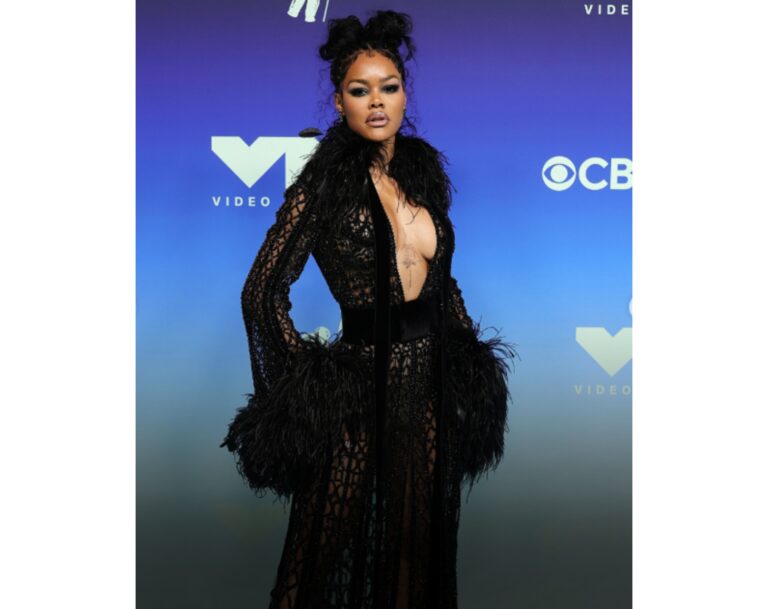
In 2022, Barbara Ford Morris, the mother of reality television star Cynthia Bailey, received a Stage 1 breast cancer diagnosis after the disease was caught during a routine mammogram. The news shook the entire family, but for Bailey, there was never any question about what came next. She knew immediately that she would be by her mother’s side throughout the entire journey.
Bailey explained that stepping into the caregiver role was an instinctive decision rather than a calculated one. Rather than focusing on financial logistics, she prioritized physical presence, drawing on the example her mother had always set for her. Her mother had been there for major moments throughout her life, including the birth of her daughter and her own personal health struggles, and Bailey wanted to return that same level of support.
The reality of becoming a family caregiver
Bailey’s experience reflects a broader reality shared by millions of Americans. According to a 2025 report from Johns Hopkins University, approximately 63 million people in the United States serve as caregivers, with only about 5 million doing so in a paid capacity. A separate study found that roughly 41 percent of caregivers fall into the sandwich generation, meaning they care for an aging family member while simultaneously raising their own children.
For Bailey, balancing work with caregiving required creativity and sacrifice. She and her siblings coordinated their efforts so that each of them could contribute in different ways. Bailey continued working throughout her mother’s treatment, often setting up her computer to work remotely from her mother’s home or taking important meetings on-site so her presence could still be felt even during demanding workdays.
Wearing many hats during a health crisis
Caregiving often requires juggling several roles simultaneously. Beyond simply being present, caregivers frequently become advocates, schedulers, medication managers and emotional anchors for their loved ones. They coordinate doctor’s appointments, track treatment plans and help interpret medical information that can feel overwhelming for the patient receiving it.
Bailey emphasized the importance of maintaining a positive mindset throughout her mother’s treatment, describing words as a source of real power. She intentionally worked to instill confidence and resilience in her mother, reinforcing the belief that they would get through the experience together, regardless of the outcome. She views that emotional reinforcement as a critical part of the overall healing process.
Early detection made a life-saving difference
Thanks largely to the routine mammogram that caught the cancer early, Morris was able to begin treatment immediately. Today, she is cancer-free. Bailey, who has long served as an advocate for health and wellness within the Black community, stressed how critical early detection remains, particularly for Black women who often face disparities in healthcare access and outcomes. She encouraged people to seek medical attention when something feels wrong and to remain consistent with at-home self-exams.
The often overlooked toll on caregivers themselves
Caregiving carries a weight that extends far beyond logistics and scheduling. It tests emotional strength, patience and a person’s sense of self, often while caregivers are quietly navigating their own fear and uncertainty alongside their loved one. Making space for self-care during this process is not a selfish act but a necessary one, allowing caregivers to continue showing up with compassion and strength over time.
Bailey echoed this sentiment, encouraging caregivers to extend themselves the same patience and grace they offer to the people they are supporting. She pointed to positive affirmations as a meaningful tool throughout the process and stressed the importance of regularly refilling one’s own emotional reserves. As she put it, caregivers cannot continue pouring into someone else once they have become completely depleted themselves.
Source: EBONY
About the Author




1 thought on “Cynthia Bailey Opens Up About a Life-Changing Role”