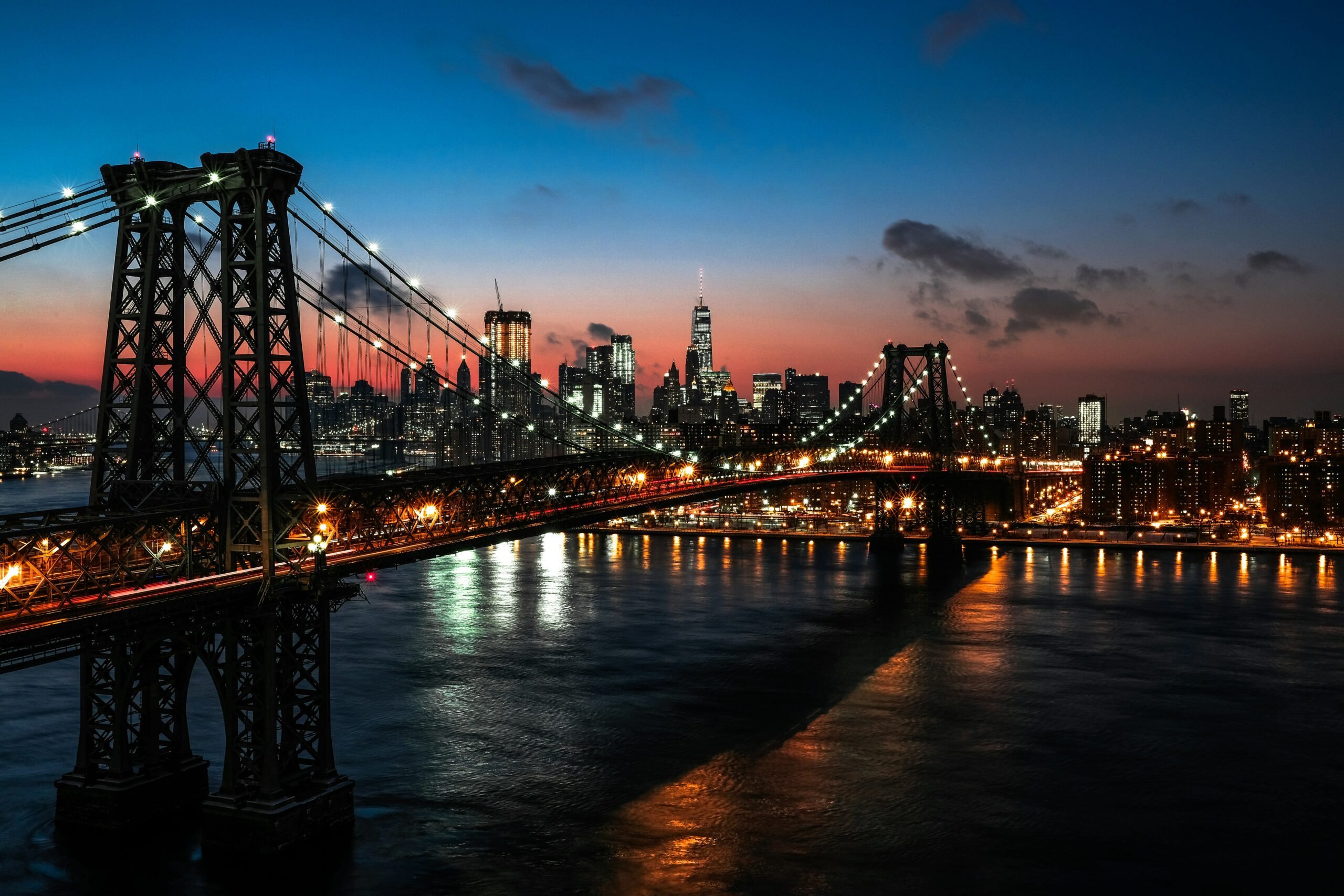
Photo by Matteo Catanese on Unsplash
The US places fined for unknown rules phenomenon is more common than many people realize. Every city, county and state can create its own local ordinances. Many lawmakers adopted these rules decades or even centuries ago to solve problems that no longer exist.
However, local governments rarely repeal outdated ordinances because they often focus on more urgent priorities. Enforcement also varies from place to place. You could visit the same destination many times before an officer cites you for an obscure rule. Learning about these unusual laws before traveling could save you money and frustration.
This list highlights 25 places across the United States where authorities can still issue fines under little-known laws. Many of these ordinances remain active, even if officials rarely enforce them. In some areas, local governments have even revived older laws to address modern concerns. As a result, treating these rules as harmless curiosities could prove costly.
The Northeast and Mid-Atlantic states with surprising ordinances
New York City prohibits people from feeding pigeons in parks and public spaces. Officials can fine anyone who ignores posted signs. The rule helps control the city’s bird population. Even so, it often surprises visitors.
White Plains also bans people from playing golf on city streets. The ordinance dates back to a time when quiet roads tempted residents to practice their swings.
Connecticut once banned Sunday pickle sales. Some municipalities still enforce versions of those Sunday trading restrictions. Hartford also prohibits people from crossing the street while walking on their hands. Although officials rarely enforce the ordinance, they have never removed it from the books.
Massachusetts also has an unusual rule. State law does not allow gorillas to ride in the back seat of a car. These old ordinances remind travelers that New England still preserves many historic laws.
Maine limits how long residents can leave Christmas decorations up in some municipalities. New Jersey also bans retailers from selling handcuffs to minors. Philadelphia requires fortune tellers to obtain a city license before operating. Anyone who ignores that requirement may face fines or lose business equipment.
The South and Southeast’s most unusual local laws
Georgia does not allow donkeys to sleep in bathtubs. The rule dates back to a 1920s flood after a merchant’s donkey fell asleep in a bathtub and floated away. Local officials responded by passing an ordinance, which remains on the books today.
Gainesville also became famous for requiring people to eat fried chicken with their hands. Although officials rarely enforce the rule, it still reflects the city’s connection to the poultry industry.
Alabama bans fake mustaches in church if they make people laugh. Florida also prohibits singing in public while wearing a swimsuit in some municipalities.
Memphis once required a man to walk or run ahead of a woman’s vehicle while waving a red flag. The ordinance reflects concerns from the earliest days of automobiles. Although outdated, the law has never been rewritten.
Louisiana prohibits mourners from eating fried chicken at gravesides in certain parishes. Texas makes it illegal to sell your own eye. South Carolina also bans people from keeping horses in bathtubs. Together, these laws show how older communities addressed problems that seem unusual today.
The Midwest’s strangest laws
Ohio makes it illegal to get a fish drunk. Anyone who intentionally introduces intoxicating substances to a fish could face a misdemeanor charge.
Minnesota regulates games that involve pinning the tail on a donkey in certain counties. Officials introduced those rules years ago to discourage gambling disguised as children’s games.
Wisconsin requires some restaurants to serve real butter with meals. Health regulations treat certain margarine substitutions as code violations.
Kansas prohibits serving wine in teacups in some jurisdictions. Nebraska also requires bars to brew soup while selling beer under an old ordinance. Iowa rounds out the list with a law that prevents horses from eating fire hydrants.
California and the Western states
California contains hundreds of local ordinances because each municipality writes its own laws.
San Francisco requires permits before anyone walks an elephant down Market Street. Chico famously fines anyone who detonates a nuclear device within city limits. Los Angeles also restricts crying on the witness stand in certain civil court settings.
Although many of these laws sound humorous, they remain part of local legal codes.
The Pacific Northwest and Mountain West entries on the list
Seattle prohibits people from carrying a concealed weapon longer than six feet. The ordinance has remained in place for generations.
Boise also forbids fishing from the back of a giraffe. Nevada prohibits drivers from taking camels onto public highways, reflecting the region’s 19th-century camel experiments.
Oregon bans hunting in cemeteries. Arizona also prohibits hunting camels in Maricopa County. Colorado makes it illegal to ride a horse while under the influence of alcohol.
These laws reflect local history rather than modern life. Nevertheless, authorities can still enforce many of them.
Why these rules still exist
Most of these laws remain because repealing an ordinance requires time and legislative effort. Local governments usually focus on more pressing issues instead.
Attorneys who study unusual laws say officials most often enforce them during community disputes or targeted enforcement campaigns. Tourists face greater risks because they rarely know local regulations.
Before traveling, check city websites or visitor bureaus for local ordinances. You can also ask hotel staff or tour guides about unusual restrictions. A few minutes of research can help you avoid an unexpected fine while exploring a new destination.
Sources: FindLaw; Municode Library; American Legal Publishing municipal code databases; official city and state ordinances.
About the Author