Photo screenshot: X
Twenty-one years after Hurricane Katrina reached the Gulf Coast, its biggest lessons still extend beyond the shoreline.
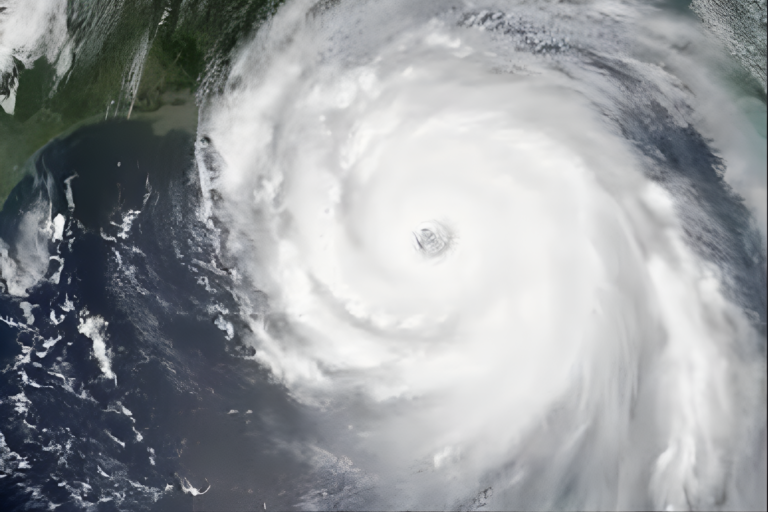
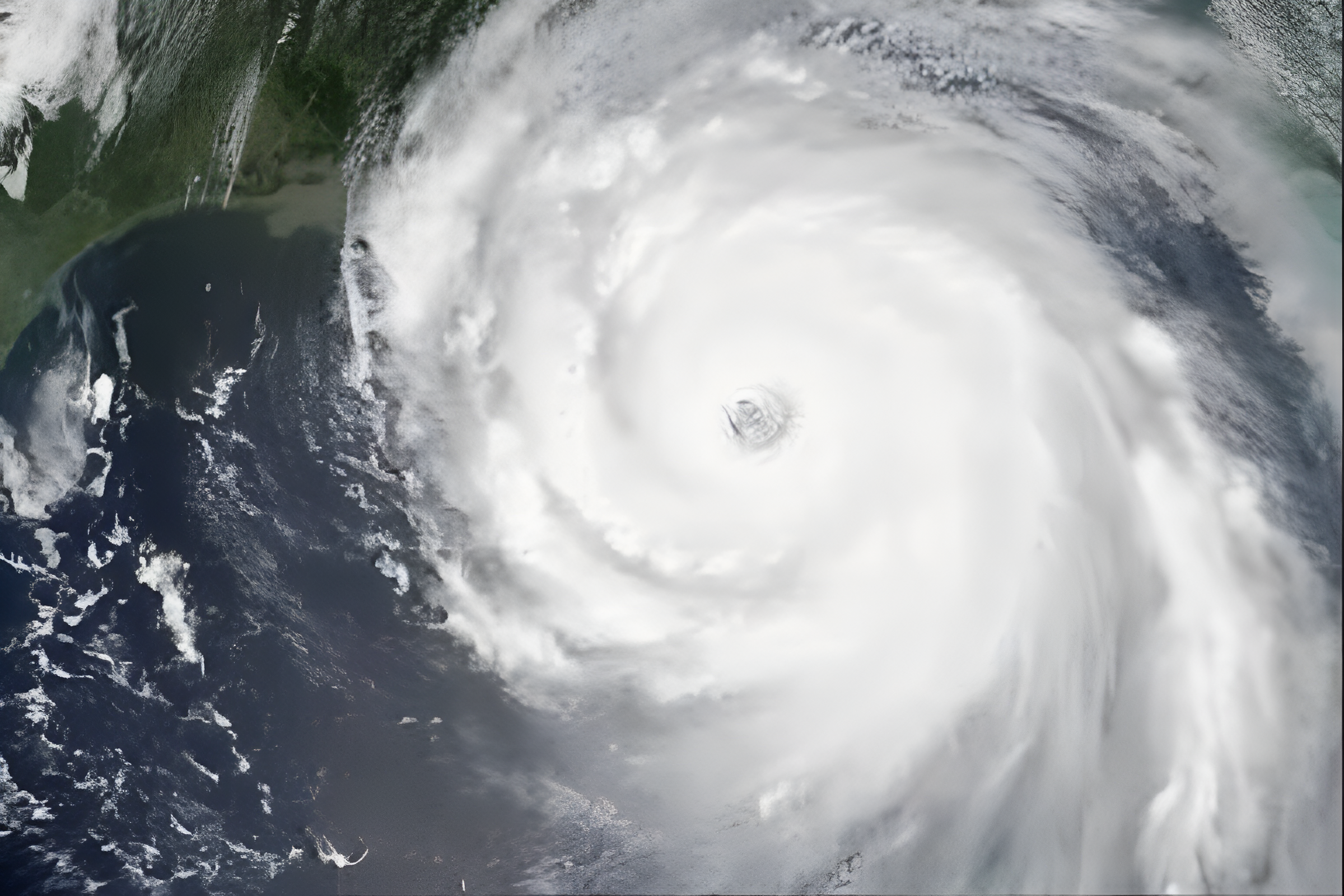
Katrina made landfall near Buras, Louisiana, on Aug. 29, 2005, as a Category 3 hurricane with winds of 125 mph. The National Hurricane Center estimates that 1,392 people died and puts the storm’s U.S. damage at about $125 billion in 2005 dollars.
The numbers show the scale. They do not fully explain why Katrina changed New Orleans and the country’s approach to disaster planning.
Katrina exposed the cost of weak protection
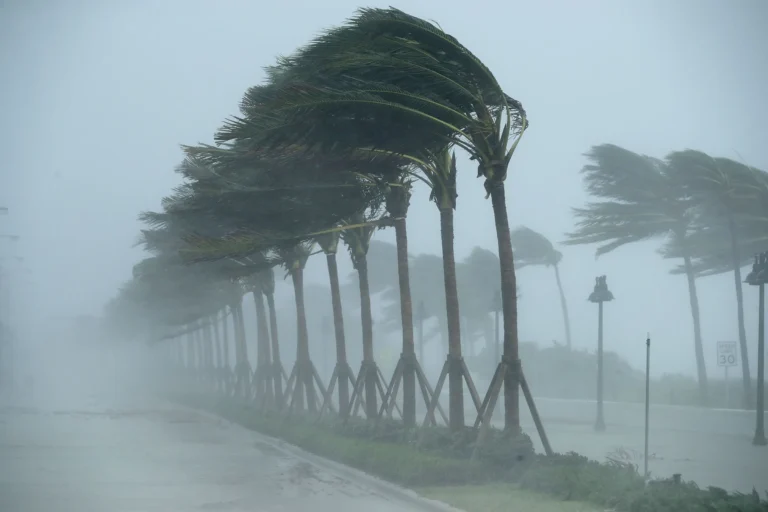
Katrina’s winds caused widespread destruction, but flooding became the defining part of the disaster in New Orleans.
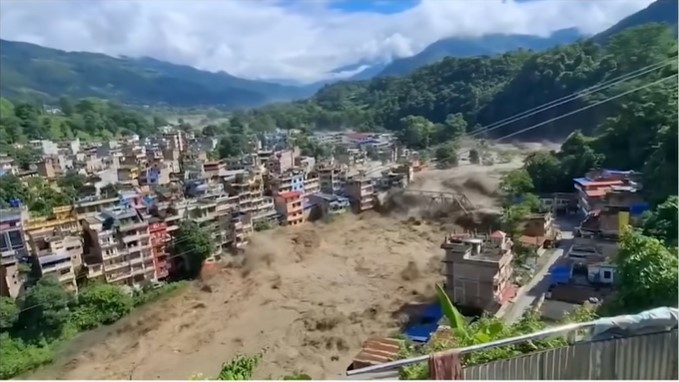
Storm surge and waves overwhelmed parts of the city’s levee and floodwall system. The U.S. Army Corps of Engineers says about 80% of New Orleans flooded and 50 major breaches occurred across the regional protection system.
That failure changed the way officials viewed hurricane risk. A storm can be forecast accurately and still produce a far greater disaster when protective infrastructure fails.
The experience also showed why evacuation plans cannot focus only on the expected path of a storm. Roads, hospitals, power systems, drainage networks and flood defenses all shape what happens after landfall.
The risk reaches far beyond the coast
Katrina also challenged the idea that hurricane risk ends near the beach.
The storm affected communities across several states. Heavy rain, flooding, strong winds and widespread power outages created problems well inland.
That lesson remains relevant during every hurricane season. Living hundreds of miles from the Gulf Coast does not automatically remove the risk. Communities also have to consider rainfall, rivers, transportation and power when preparing for a major storm.
Katrina made that broader risk impossible to ignore.
New Orleans has changed since 2005
Recovery also changed the city’s population.
New Orleans had 484,674 residents in the 2000 Census. The 2020 Census counted 383,997. The Census Bureau’s latest estimate puts the city’s population at 362,154 as of July 2025.
Those figures show that New Orleans has rebuilt much of its population, but it has not returned to its pre Katrina size.
The change is more than a statistic. Many residents returned and rebuilt. Others established new lives elsewhere. Neighborhoods changed, businesses reopened and some communities took years to regain their footing.
The protection system is stronger, but the work continues
Katrina also led to major changes in New Orleans’ flood protection.
The federal government developed the Hurricane and Storm Damage Risk Reduction System, which includes levees, floodwalls, gates and pumping stations. The Army Corps of Engineers says the system was designed to provide greater protection for the region.
However, Louisiana continues to face difficult conditions. Land subsidence, coastal changes and rising seas complicate long term planning.
That means protection cannot be treated as a finished project. Infrastructure needs inspection, maintenance and upgrades as conditions change.
Why Katrina still matters
Katrina remains important because recovery does not end when floodwater disappears.
The storm changed New Orleans, exposed weaknesses in infrastructure and reshaped disaster planning across the United States. It also showed how quickly a weather event can become a much larger social and economic challenge.
Twenty-one years later, Katrina still offers a clear lesson. The strength of a storm matters, but so do the systems and decisions that surround it.
About the Author