Photo credit: bbcnews
Nepal is observing a national day of mourning after devastating Nepal flash floods killed more than 1,300 people and left thousands missing.
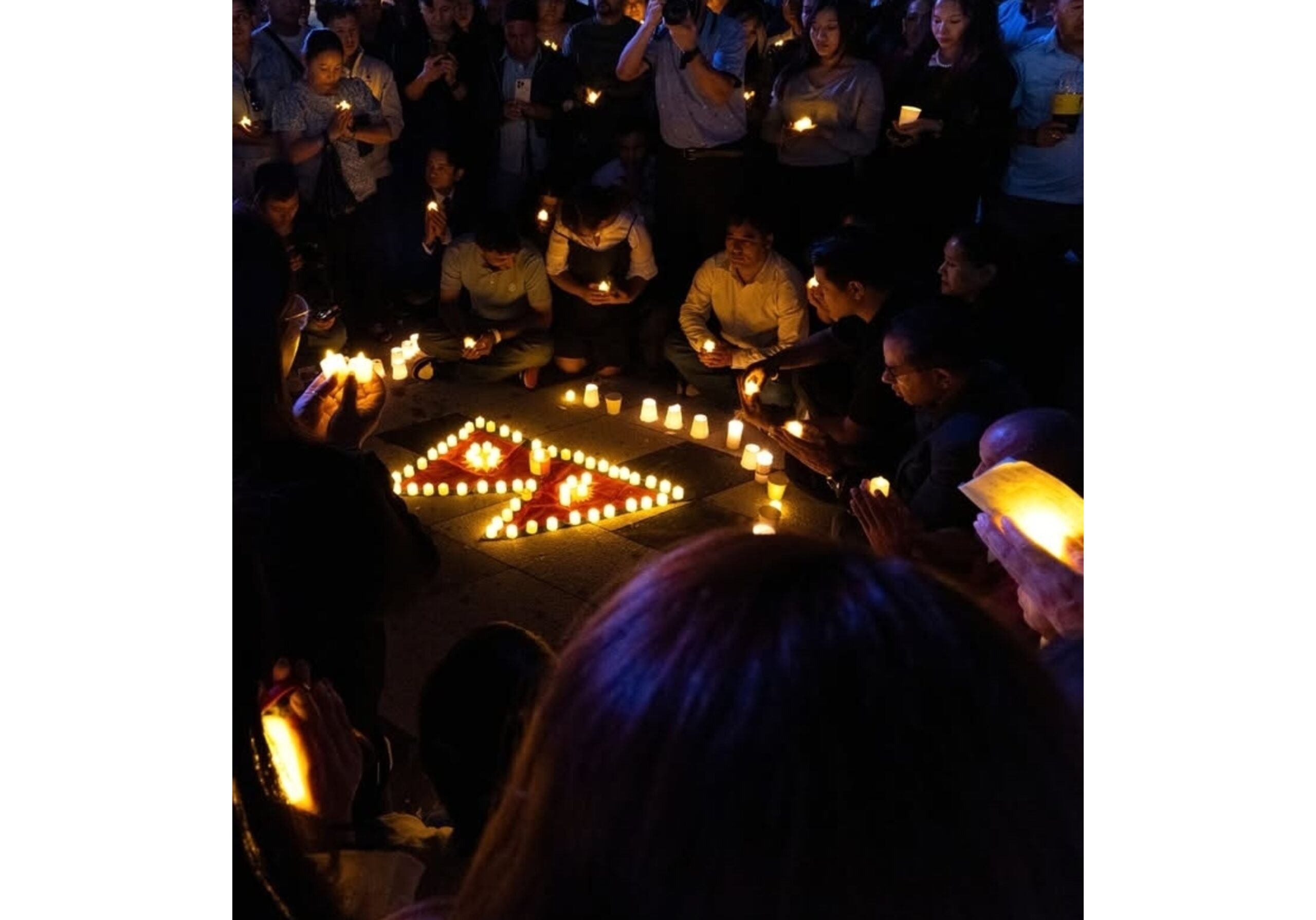
The country marked the final day of a traditional 13-day Hindu mourning period on Monday, Sept. 7, with families honoring relatives lost in the disaster.
Government buildings and diplomatic missions lowered their flags to half-mast as the nation remembered those killed in the catastrophic flooding.
Nepal Flash Floods Leave Thousands Missing
The disaster struck on Aug. 26 after a glacier collapse triggered massive flooding along the Nepal-China border.
The resulting floodwaters and debris swept through communities, damaged infrastructure and devastated areas in Nepal and Tibet.
The latest reports put the combined death toll across Nepal and Tibet at more than 1,300, while more than 5,000 people remain missing.
The scale of the disaster has made the search especially difficult. Rescue teams are navigating damaged roads, unstable terrain and tunnels filled with mud and debris.
Families Mark the End of the 13-Day Mourning Period
Monday’s national mourning coincided with the end of the traditional 13-day Hindu mourning period.
Families gathered to pray, light candles and perform rituals for loved ones who died in the disaster.
For many families, however, the mourning period has come without the certainty of recovering their relatives.
Authorities continue searching for thousands of missing people, including workers believed to be trapped inside hydropower tunnels.
The disaster affected several hydropower projects, with hundreds of workers still unaccounted for. Rescue teams have already managed to pull survivors from tunnels after days underground.
Rescue Efforts Continue Across Nepal
Despite the enormous challenges, rescue operations are continuing.
International and local teams have been working together to search damaged communities and hydropower facilities. Drones have also been used to search areas that are difficult for rescuers to reach.
Two Nepalese hydropower workers were rescued alive from a tunnel nine days after the flooding. Their rescue offered a rare moment of hope during an otherwise devastating recovery effort.
Authorities are still searching for people who may have survived inside other tunnels.
Nepal Faces a Long Road to Recovery
The destruction from the Nepal flash floods extends far beyond the loss of life.
Floodwaters destroyed roads, bridges and other critical infrastructure while damaging hydropower facilities and disrupting communities along the border.
The disaster has also raised concerns about the growing risks facing Himalayan communities as glaciers and mountain environments become increasingly unstable.
For families still waiting for news about missing relatives, however, the immediate priority remains finding their loved ones.
As Nepal observes its national day of mourning, the country is remembering those who were lost while rescue teams continue their difficult search for survivors.
The tragedy has left communities across Nepal and Tibet facing a long and uncertain road toward recovery.
View this post on Instagram
Source: BBC News, Reuters, Associated Press
About the Author