Courtesy:melissa-belanger
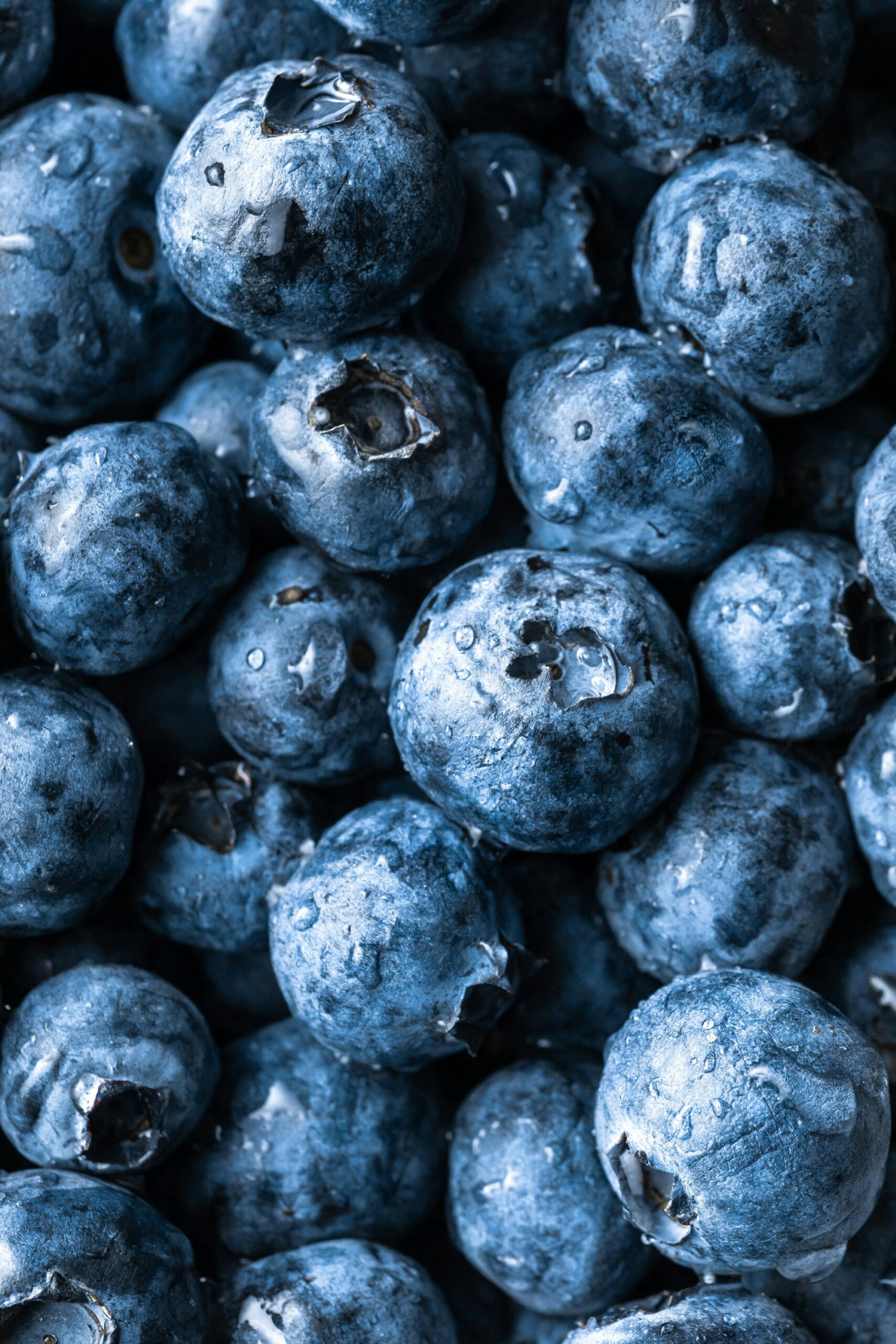
Frozen blueberries distributed across several U.S. states and Canada have been recalled after the Food and Drug Administration classified the products as a “Class I” risk, meaning they could cause severe illness or death.
The Oregon Potato Company initially issued a recall for its individually quick frozen (IQF) blueberries on February 12, but the FDA’s update Tuesday escalated the warning after testing confirmed the presence of Listeria monocytogenes, a dangerous bacteria linked to life-threatening infections.
The recall covers more than 55,000 pounds of blueberries packaged in 30-pound cases and 1,400-pound totes. The fruits are contained in polyethylene bags or liners within the larger shipping containers. While the berries were not sold directly to retail consumers, they were distributed in Michigan, Oregon, Washington, Wisconsin, and Canada. Details on the exact locations where the products were sold remain unclear, leaving potential exposure uncertain.
Understanding the risks of listeria
Listeria monocytogenes is a pathogen that can be found in soil, water, sewage, decaying vegetation, and various animals. It is particularly dangerous when ingested through contaminated food. The bacteria can cause listeriosis, a condition that ranges from mild to severe.
Mild infections typically involve fever, muscle aches, nausea, vomiting, and diarrhea. However, the more severe form of listeriosis can be life-threatening and may include headache, stiff neck, confusion, loss of balance, and convulsions. Certain populations, including newborns, adults over 65, and those with compromised immune systems, are at higher risk for serious complications.
Health officials are advising anyone who may have received the recalled products to avoid consuming them and to take precautions in handling and disposing of the frozen blueberries. Thoroughly washing surfaces, hands, and utensils that may have come into contact with the fruit is recommended.
Widespread impact and ongoing investigation
The FDA emphasized that the Class I classification signals a “reasonable probability that the use of or exposure to a violative product will cause serious adverse health consequences or death.” The agency is working closely with Oregon Potato Company to track the distribution and remove the affected blueberries from supply chains.
As of now, the U.S. Department of Health and Human Services, which oversees the FDA, and Oregon Potato Company have not provided additional comment to the media. Consumers who may have the product are urged to check labels carefully and report any suspected contamination.
This recall highlights the ongoing challenges of food safety in large-scale distribution. Even frozen products, which are often considered low-risk, can carry harmful bacteria if processing or handling protocols are compromised. Authorities continue to monitor the situation to prevent additional exposures.
Safety tips for consumers
Experts recommend that anyone who believes they may have consumed contaminated blueberries monitor for symptoms of listeriosis and seek immediate medical attention if severe signs such as confusion or loss of balance occur. Pregnant individuals, the elderly, and people with weakened immune systems should exercise extra caution, as listeriosis can have particularly serious consequences for these groups.
Consumers who purchased these products through distributors or received them in bulk shipments should contact the vendor for instructions on returns or safe disposal. Awareness and vigilance are key to preventing illness from contaminated food products.
Source: NBC News
About the Author