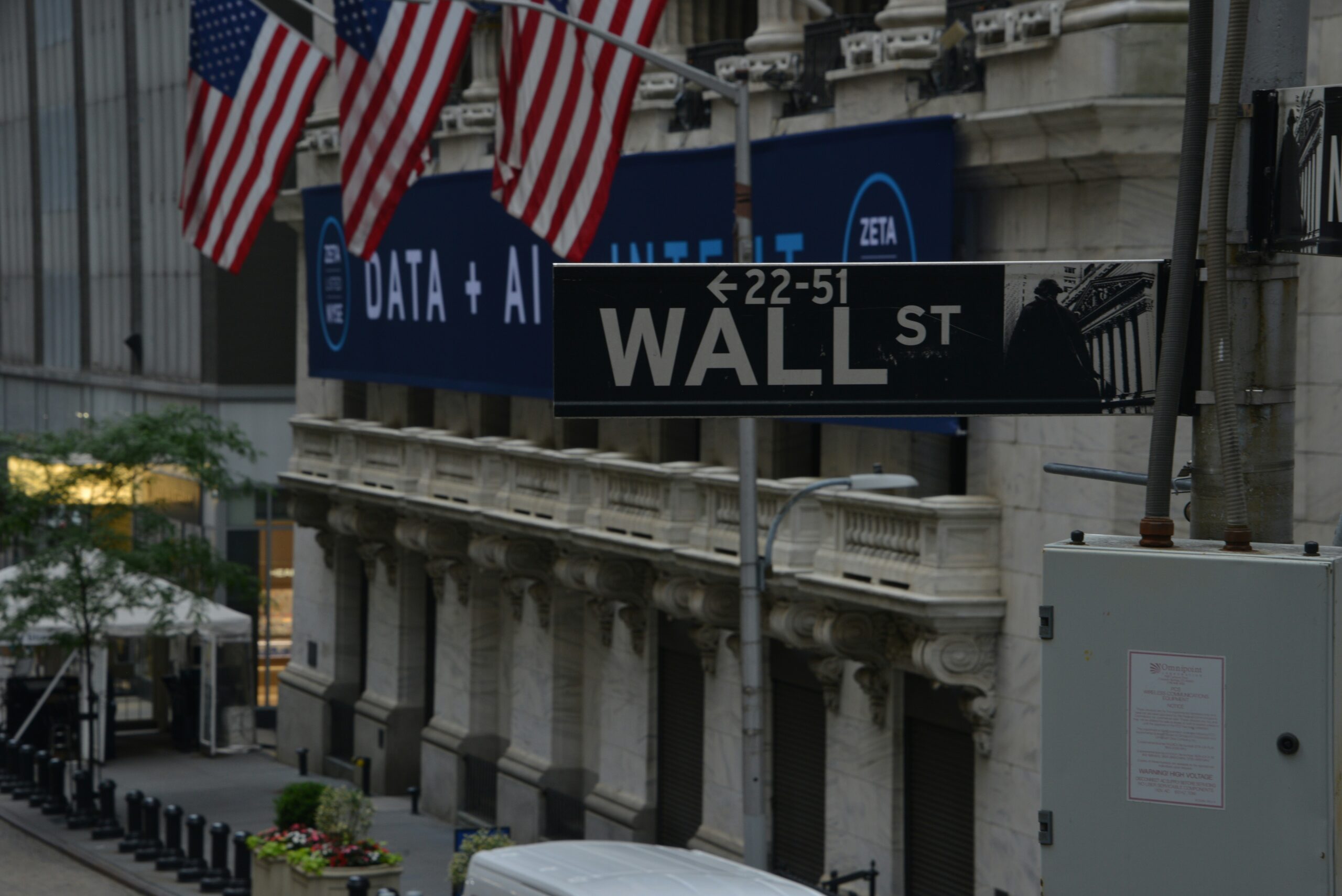
Courtesy:robb-miller from unsplash
Wall Street is watching the Iran war with one eye on the battlefield and the other on the oil market, and some of the most respected voices in global finance are concerned that investors are not taking the full economic threat seriously enough. As traders pile into cash positions in anticipation of a potential stock market rebound tied to hopes of an April tariff reversal, BlackRock President Rob Kapito is sounding a note of caution that cuts through the relative calm the markets have maintained since the conflict began.
The core of Kapito’s concern is straightforward but deeply consequential. Financial markets may be significantly underpricing the risk that oil prices spike higher, an outcome that would simultaneously damage economic growth and push inflation higher at a moment when central banks are already constrained in their ability to respond.
Why the market’s calm is itself a warning sign
The numbers behind Wall Street’s current posture are striking in context. The S&P 500 has lost less than 5 percent since the Iran war began almost a month ago, a decline so modest that it barely registers as a major selloff by any historical standard. For a conflict that has triggered what the International Energy Agency has described as the largest oil supply disruption in the history of the global oil market, that level of market resilience requires explanation.
Part of the explanation lies in investor psychology around resolution. Many traders appear to be operating with the assumption that the conflict will end relatively soon and that the disruption to oil markets will prove temporary. That assumption is driving the cash accumulation strategy that is currently prominent on Wall Street — holding dry powder in anticipation of buying back into equities at lower prices if a rebound materializes following a ceasefire or diplomatic breakthrough.
The risk embedded in that strategy, which Kapito is pointing to directly, is that it may be built on optimistic assumptions about how quickly and cleanly the conflict resolves, and how quickly oil markets normalize even after it does.
The oil price threat that markets may be ignoring
Crude oil prices have already climbed approximately 50 percent since the war began on February 28, driven by the near-closure of the Strait of Hormuz, the vital shipping route through which roughly one-fifth of global oil supplies normally flow. Goldman Sachs has warned that if ships remain reluctant to transit the strait, elevated prices could persist well into 2027 a timeline that extends well beyond what most current market pricing appears to anticipate.
The economic mechanics of a sustained oil price spike are particularly damaging because they hit the economy from 2 directions simultaneously. Higher energy costs slow growth by raising the price of transportation, manufacturing, and virtually every other economic activity that depends on fuel. At the same time, those higher costs push consumer prices upward, fueling inflation at exactly the moment when central banks have been hoping to reduce interest rates. The combination of slowing growth and rising inflation a condition known as stagflation is one of the most difficult economic environments for policymakers to navigate and one of the most destructive for asset prices across virtually every class.
What the cash pile-up on Wall Street actually signals
The move into cash that is currently underway on Wall Street is simultaneously a defensive maneuver and a bet on the future. Traders holding cash are protecting themselves against further downside while positioning to deploy capital quickly if conditions improve. The hope is that a resolution to the Iran conflict, combined with a potential reversal of April tariffs, could create the conditions for a meaningful stock market rebound that rewards those who stayed liquid rather than fully exiting to the sidelines.
The danger is that the window between the current moment and that hypothetical rebound may be longer, and the path through it more damaging to growth and inflation, than the relatively mild market decline of the past month suggests. If Kapito’s warning proves correct and oil prices spike further as the war continues or escalates, the cash that traders are accumulating now could face a considerably less favorable deployment environment than current market pricing implies.
For everyday investors watching their portfolios and their gas prices simultaneously, the message from some of the most senior figures in global finance is worth taking seriously — the market’s current calm may not be a reliable guide to what comes next.
Source: Bloomberg / Phil Serafino and Paul Dobson
About the Author