

Massive winter storm slams U.S. with snow and dangerous ice
Courtesy: CBS
Courtesy: CBS
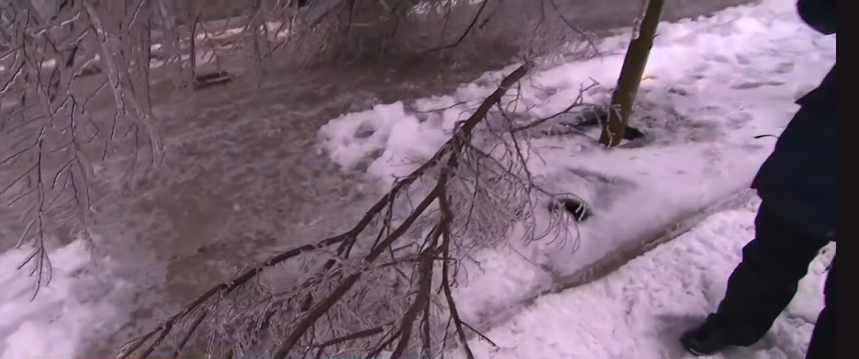
A massive winter storm swept across the United States, delivering heavy snow, freezing rain and ice to millions of people and creating hazardous conditions that stretched from the Plains to the East Coast. The system, fueled by Arctic air and moisture from the Gulf, brought a mix of dangerous weather impacts that affected travel, utilities and daily life in multiple regions at once.
Meteorologists warned that the storm’s size and intensity made it especially disruptive, with conditions changing rapidly as it moved east. Snowfall totals climbed quickly in some areas, while ice accumulation posed serious risks in others. The storm’s reach underscored how winter weather can affect vastly different regions simultaneously, each facing its own challenges.
Plains and Midwest buried under heavy snow
The storm first intensified across parts of the central Plains and Midwest, where heavy snowfall blanketed highways, neighborhoods and farmland. In several states, snow piled up quickly, making roads nearly impassable and forcing officials to issue travel advisories. Plows struggled to keep up as wind-driven snow reduced visibility and created drifting across open areas.
Air travel was also impacted, with delays and cancellations reported at major hubs serving the region. School districts adjusted schedules or closed entirely as conditions worsened. Emergency crews focused on assisting stranded motorists and responding to weather-related accidents as the storm tightened its grip.
Southern states face ice and freezing rain
As the system pushed south and east, it brought a different threat to parts of the South. Freezing rain and sleet coated roads, bridges and power lines with ice, creating dangerous driving conditions even where snowfall was limited. Ice accumulation raised concerns about falling tree limbs and downed power lines, particularly in areas not accustomed to prolonged winter weather.
Utility companies prepared for outages as ice weighed down infrastructure. Residents were urged to limit travel and prepare for possible power disruptions, especially overnight when temperatures dropped further. Emergency shelters were readied in some communities to assist those affected by outages or unsafe living conditions.
Southeast deals with rare winter hazards
The storm’s southern reach extended into parts of the Southeast, where winter weather of this scale is less common. Even light amounts of snow and ice had an outsized impact, closing roads and government offices and prompting widespread caution. Officials emphasized that untreated roads could become dangerously slick in a short period of time.
In coastal and inland areas alike, residents stocked up on essentials as forecasts called for continued icy conditions. The combination of cold temperatures and precipitation created a heightened risk for accidents and injuries, leading authorities to stress preparedness and patience.
Northeast braces for accumulating snow
As the storm tracked eastward, the Northeast prepared for accumulating snow and mixed precipitation. Forecasts indicated that some areas could see significant totals, especially inland and at higher elevations. Transportation agencies readied crews and equipment in anticipation of deteriorating road conditions.
Urban centers faced the challenge of managing snow during busy travel periods, while rural areas prepared for potential isolation if roads became blocked. Officials urged residents to stay informed and plan ahead, particularly those with medical or travel needs.
Travel and safety concerns spread nationwide
Across all affected regions, the storm created widespread travel disruptions. Airlines adjusted schedules, highways closed temporarily in some areas and public transportation systems operated with delays. Emergency management agencies emphasized the importance of staying off roads whenever possible and checking local advisories before traveling.
Beyond transportation, the cold temperatures accompanying the storm raised concerns about vulnerable populations. Warming centers were opened in several states to assist those without reliable heat, and communities coordinated efforts to check on elderly residents and others at risk.
Meteorologists noted that while winter storms are common, the scale and variety of hazards associated with this system made it particularly challenging. Snow, ice and extreme cold combined to test infrastructure and emergency response efforts across much of the country.
As cleanup and recovery began in the hardest-hit areas, officials reminded residents that lingering ice and snow could continue to pose risks even after precipitation ended. Careful travel, proper winter gear and awareness of changing conditions remained essential as the storm moved off the East Coast.
Source: CBS News
About the Author

Praise Swint
Wpseo_editor
Praise Swint is a contributor at Revelence, covering stories across news, entertainment, and culture.




2 thoughts on “Massive winter storm slams U.S. with snow and dangerous ice”